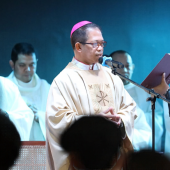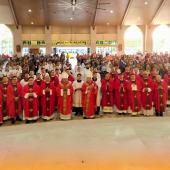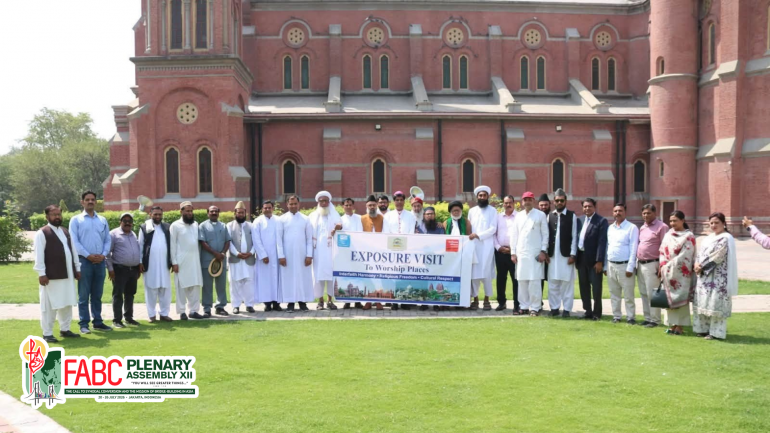
Bishops from across Asia will gather in Jakarta, Indonesia, from July 20–26 for the 12th Plenary Assembly of the Federation of Asian Bishops' Conferences (FABC), where they will reflect on the theme, "The Call to Synodal Conversion and the Mission to Be Bridges and Bridge-Builders in Asia."
For the Catholic Church in Pakistan, where Christians comprise less than two percent of over 240 million people, crossing religious divides is a daily survival mechanism. Navigating strict blasphemy laws, communal violence, systemic abductions of minority girls, and deep economic marginalization, local Christians know the heavy cost of division.
In this volatile landscape, building a bridge means reaching across deep religious fractures to replace hostility with shared human dignity.
The Pakistan Church’s most durable bridges are anchored in decades of selfless institutional service benefiting the wider society.
Education as a Harmonizing Space
Long before formal interfaith desks existed, historic Catholic missionary schools like St. Patrick’s in Karachi and St. Anthony’s in Lahore anchored social cohesion. For generations, they have educated an overwhelmingly Muslim student body, placing future prime ministers, judges, and generals side-by-side with minority classmates. Remarkably, Pakistan’s founder, Quaid-e-Azam Muhammad Ali Jinnah, studied under Catholic care at St. Patrick’s. By bringing students of different faiths together in the classroom, the Church has quietly helped reduce prejudice and cultivate mutual respect among generations of Pakistan's future leaders.
Healthcare and Humanitarian Resilience
When climate disasters or economic crises strike, the Church’s humanitarian response bypasses religious boundaries. Through Caritas Pakistan and local Catholic hospitals, aid is deployed purely on human need. During recent catastrophic floods, Church-led relief teams hit the frontlines nationwide, delivering shelter, clean water, and medical care to thousands of displaced Muslim families in a powerful demonstration of unconditional charity.
Leaders at the Frontier
This structural connection is championed by courageous pioneers ensuring the minority flock remains an active, respected part of the national fabric:
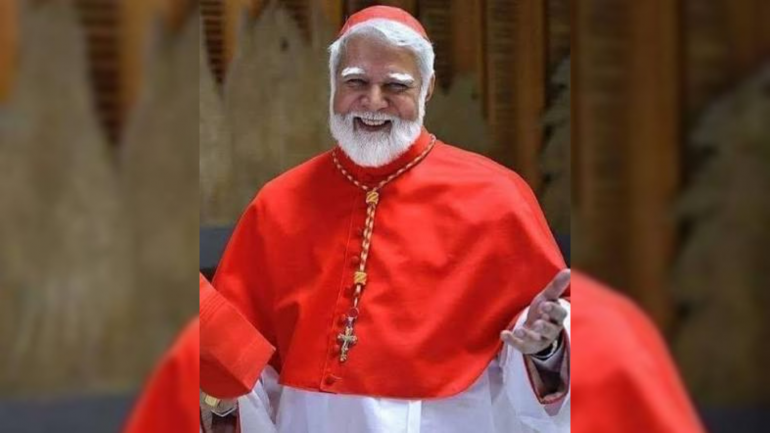
Cardinal Joseph Coutts: The Emeritus Archbishop of Karachi models his ministry on his motto, "Dominus Vobiscum" (The Lord be with you). When regional tensions threaten minorities, Cardinal Coutts proactively engages prominent Islamic scholars and madrasas, maintaining communication channels that systematically defuse communal violence.
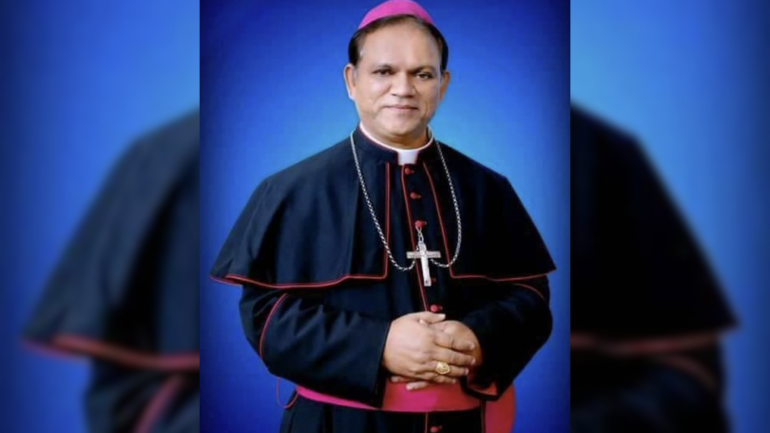
Bishop Samson Shukardin: As President of the Catholic Bishops' Conference of Pakistan, Shukardin champions the vulnerable in rural Sindh, where marginalized Christians and low-caste Hindus endure bonded labor. Partnering with secular Muslim human rights defenders and journalists, he successfully elevates minority rights into mainstream national discourse.
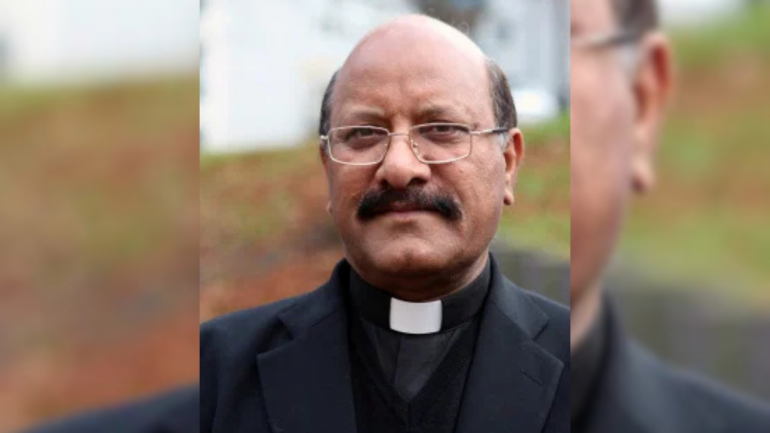
Fr. James Channan, OP: The Dominican priest and Director of the Peace Center in Lahore has spent decades institutionalizing harmony. Through localized peace councils and United Religions Initiative (URI) circles nationwide, Fr. Channan fosters grassroots dialogue to counter sectarian extremism.
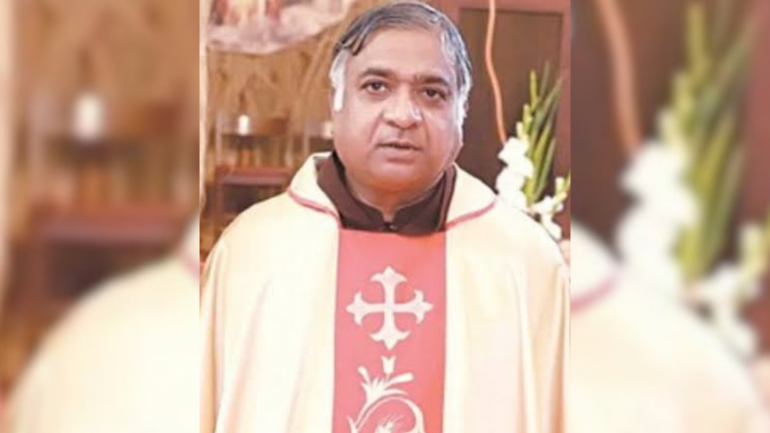
Fr. Francis Nadeem, OFM Cap: As long-time Executive Secretary of the National Commission for Inter-religious Dialogue and Ecumenism, the late Capuchin friar anchored Pakistan's modern interfaith framework. Modeling his ministry on St. Francis and the Sultan of Egypt, his "Peace Caravan" projects proved that grassroots peace initiatives could take root in volatile soils.
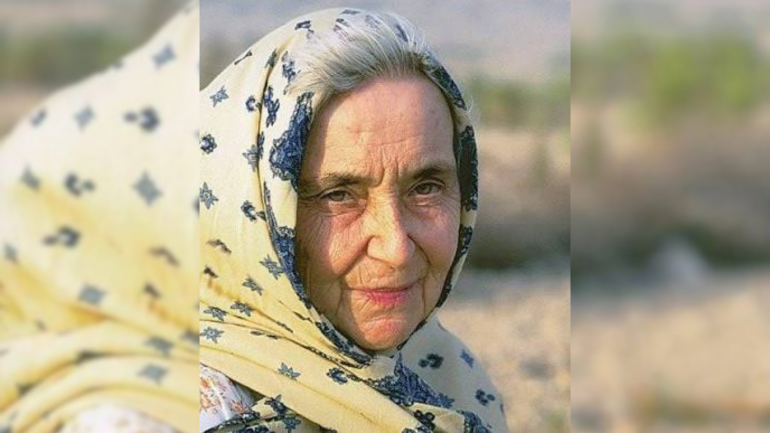
Dr. Ruth Pfau: Arriving from Germany in 1960, the late Sister Dr. Ruth Pfau spent over half a century eradicating leprosy across Pakistan. Her work at Karachi's Marie Adelaide Leprosy Centre transcended religious and social divides, earning her the title "Pakistan’s Mother Teresa" and a rare state funeral.
A Prophetic Witness for Asia
The witness of the Pakistani Church offers a vital lesson for minorities across Asia: being a prophetic presence means rejecting the isolation of a defensive ghetto to meet the majority with an open hand. By continuing to educate youth, heal the sick, and maintain open channels with Islamic leaders, the Church quietly proves that peaceful coexistence is not an elusive ideal, but a structural necessity for the nation's shared future.
Radio Veritas Asia (RVA), a media platform of the Catholic Church, aims to share Christ. RVA started in 1969 as a continental Catholic radio station to serve Asian countries in their respective local language, thus earning the tag “the Voice of Asian Christianity.” Responding to the emerging context, RVA embraced media platforms to connect with the global Asian audience via its 21 language websites and various social media platforms.
Latest News