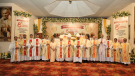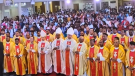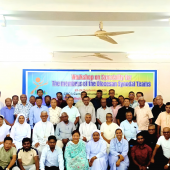
After several days of theological reflection on synodality, bishops and delegates gathered at the 12th Plenary Assembly of the Federation of Asian Bishops' Conferences (FABC) entered a decisive new phase on July 25.
Moving beyond reflection, they began shaping what is expected to become one of the Assembly's most important outcomes: a Vademecum for Synodality in Asia, a practical pastoral handbook designed to help local Churches across the continent implement the vision of the Synod on Synodality.
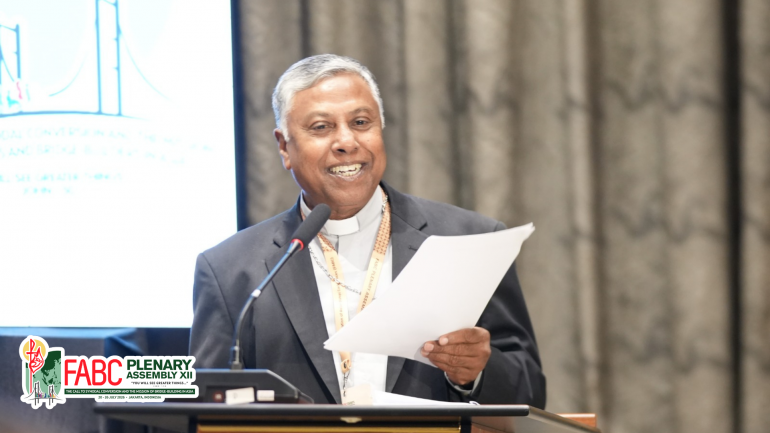
Introducing the day's program, Presiding Officer Archbishop Bejoy N. D'Cruze of Dhaka, Bangladesh reminded participants that the previous day's reflections by Cardinal Mario Grech, Secretary General of the Synod, and Fr. Giacomo Costa, SJ, had made one point unmistakably clear: a synodal Church begins with personal conversion.
"Our conversion is essential if we are to build a synodal Church and become bridge builders," Archbishop Bejoy said.
He recalled Cardinal Grech's emphasis that synodality is not simply about structures or procedures but about allowing communion to become visible in the daily life of the Church. Quoting one of the cardinal's reflections, Archbishop Bejoy added, "If God is love, then we can also say that unity and harmony are the work of the Holy Spirit."
The organizers described the day's work as an effort to gather "what the Holy Spirit is telling the Churches in Asia" and translate it into two key documents: a pastoral message to the People of God in Asia and a practical Vademecum to help dioceses become "a more synodal, missionary, and merciful Church."
The drafting process began with what organizers called an "Emmaus experience," inspired by the Gospel account of the disciples who recognized the risen Christ only after reflecting on their journey.
Dr. Christina Kheng, who facilitated the Assembly's Conversations in the Spirit, invited participants to begin with 15 minutes of silent personal reflection before the table conversations. She then invited delegates to share one significant insight from their reflections before moving into table conversations.
Unlike previous sessions, which focused largely on sharing experiences from individual local Churches, the discussions now centered on a common task: helping shape a pastoral guide for the Church across Asia.
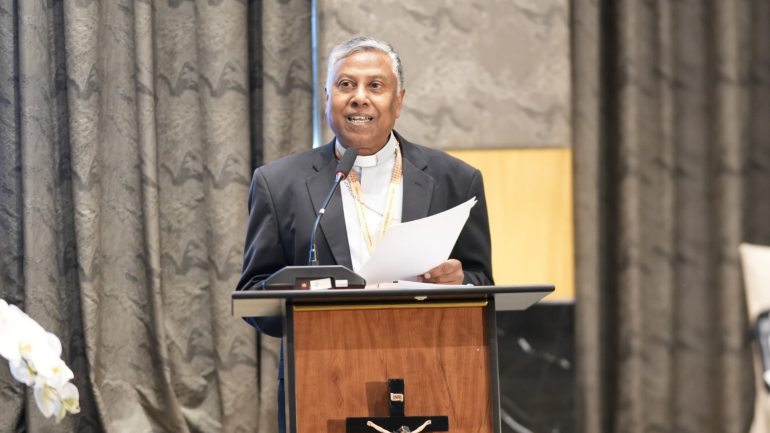
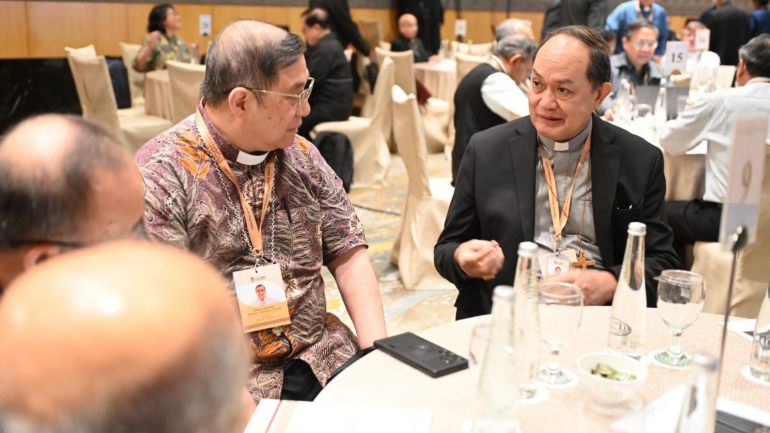
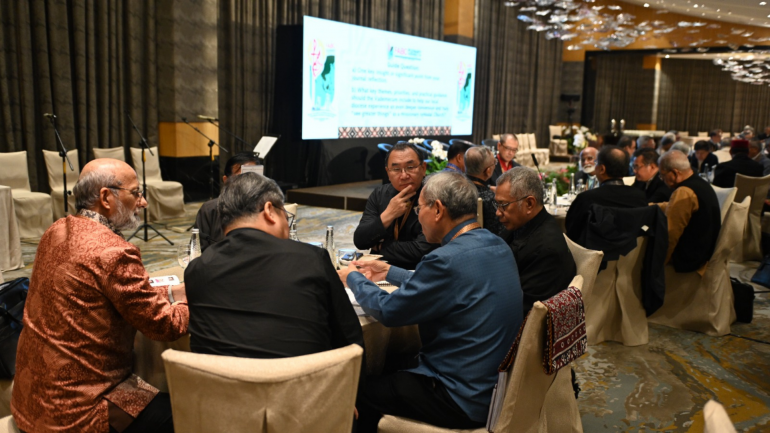
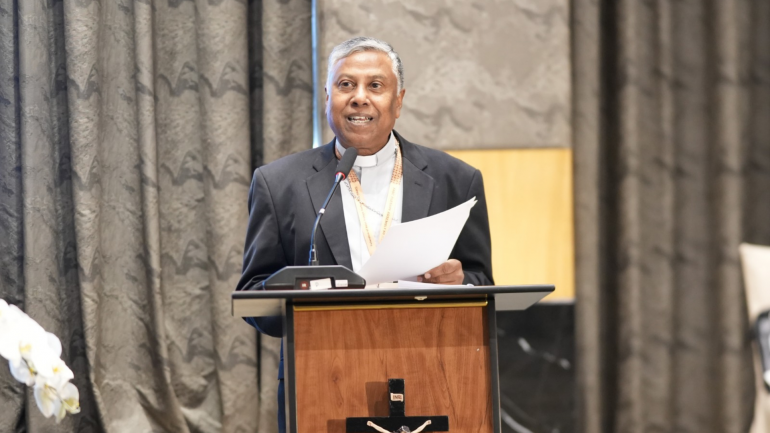
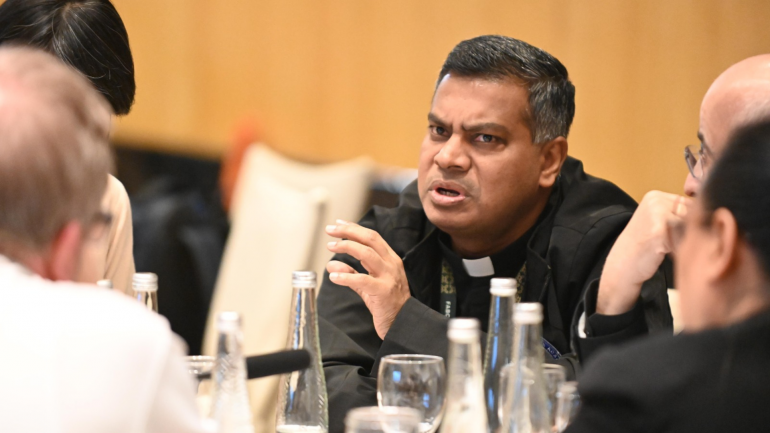
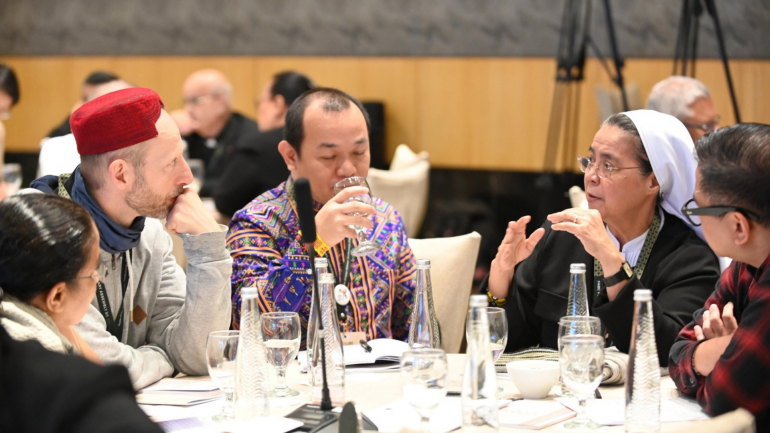
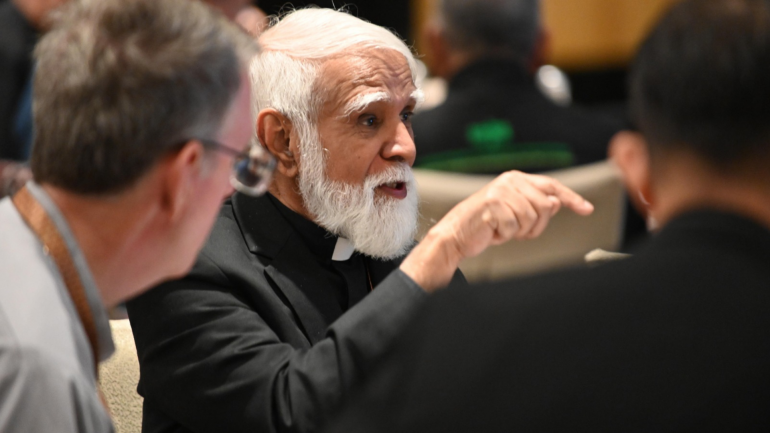
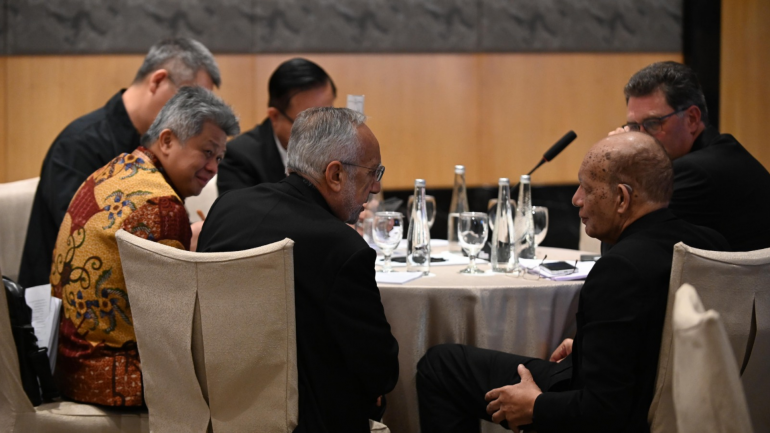
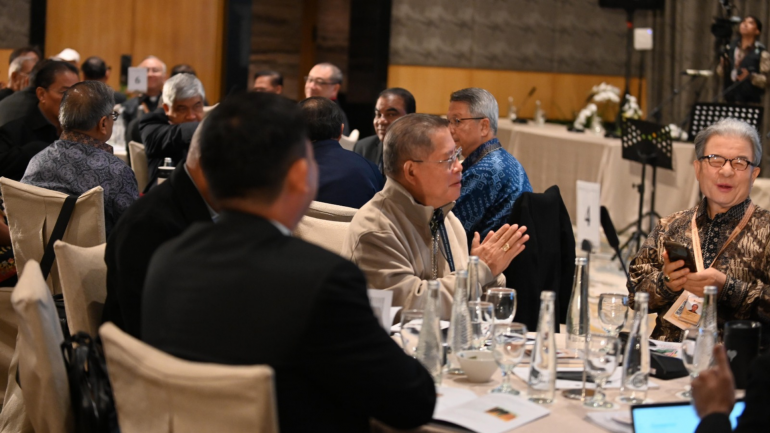
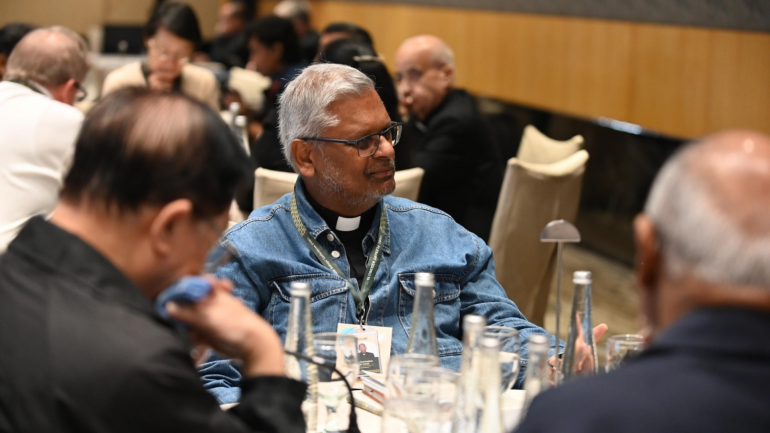
Each group was asked to consider a single guiding question: What key themes, priorities, and practical guidance should the Vademecum include to help every local Church experience deeper conversion and truly "see greater things" as a missionary synodal Church?
Participants were encouraged to imagine they were preparing a handbook for bishops across Asia. Rather than proposing universal solutions, they were invited to identify practical guidance that could help dioceses implement the Synod's Final Document according to their own pastoral realities.
The organizers emphasized that the Vademecum is intended to become a practical resource rather than another theoretical document, offering concrete pathways for living synodality in local Churches.
Instead of presenting their conclusions orally, each table submitted its recommendations in writing before the morning break. Those contributions will serve as the first draft of the Vademecum, which is expected to become a pastoral companion for dioceses across Asia as they continue implementing the Synod on Synodality.
The day’s agenda also included work on several other key documents, including revisions to the FABC Statutes, regional consultations among bishops, and the drafting of the Assembly's final Message to the People of God in Asia, before delegates later received a message from the Holy Father.
By beginning the drafting process with prayer, silence, personal reflection, and communal discernment, the Assembly underscored a central conviction that has emerged throughout the week: synodality is not simply about producing documents, but about listening together to the Holy Spirit and translating that discernment into the everyday life and mission of the Church in Asia.
Radio Veritas Asia (RVA), a media platform of the Catholic Church, aims to share Christ. RVA started in 1969 as a continental Catholic radio station to serve Asian countries in their respective local language, thus earning the tag “the Voice of Asian Christianity.” Responding to the emerging context, RVA embraced media platforms to connect with the global Asian audience via its 21 language websites and various social media platforms.
Latest News