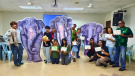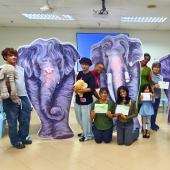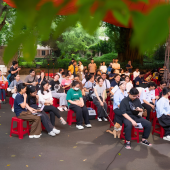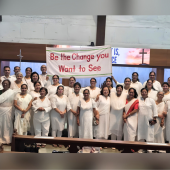



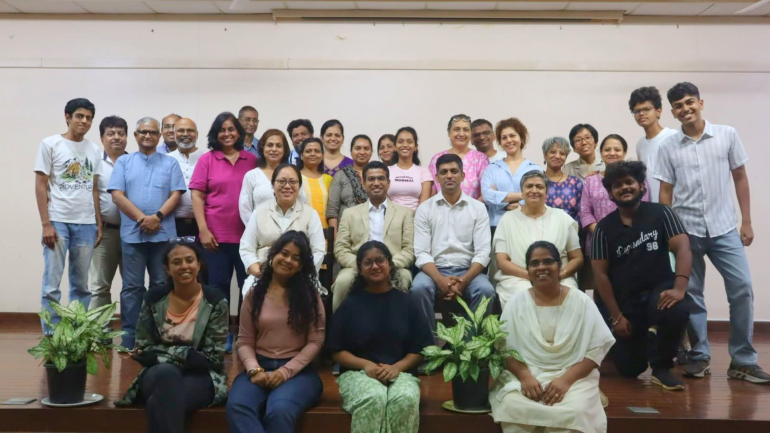
The Daughters of St. Paul organized a three-day workshop on artificial intelligence titled “Applied AI for Real Life: Tools, Skills & Safety” from May 8 to 10 at the Pauline Communication Centre in Mumbai, western India.
The program brought together around 50 participants from different parishes of the Archdiocese of Bombay for practical training in the everyday applications of AI technology.
Participants included catechists, teachers, students, homemakers, professionals, retired officers, priests, and religious sisters. The sessions were conducted by media professionals specializing in digital communication and AI training.
Organizers said the workshop was designed for people of varied educational and professional backgrounds, including those with little or no prior exposure to artificial intelligence. The initiative aimed to help participants understand how AI tools can be used responsibly in ministry, education, communication, and daily life.
The training introduced participants to the basics of AI, including its opportunities, limitations, and ethical implications. Sessions also addressed growing concerns related to misinformation, deepfakes, online scams, and cyber safety, helping participants identify unreliable digital content and adopt safer online practices.
A major focus of the workshop was hands-on learning with widely used AI platforms. Participants learned to use ChatGPT for brainstorming, writing, and research; Claude for documents and presentations; Ideogram for image generation; Grok for audio and voice-related tasks; and InVideo AI for creating videos and social media reels.
The workshop explored how AI could support different professions and ministries. Religious sisters and parish leaders examined ways to use AI in catechesis, publishing, event planning, and pastoral communication. Teachers and counselors explored AI-assisted learning tools and research support, while media professionals learned strategies for AI-based content creation and digital outreach.
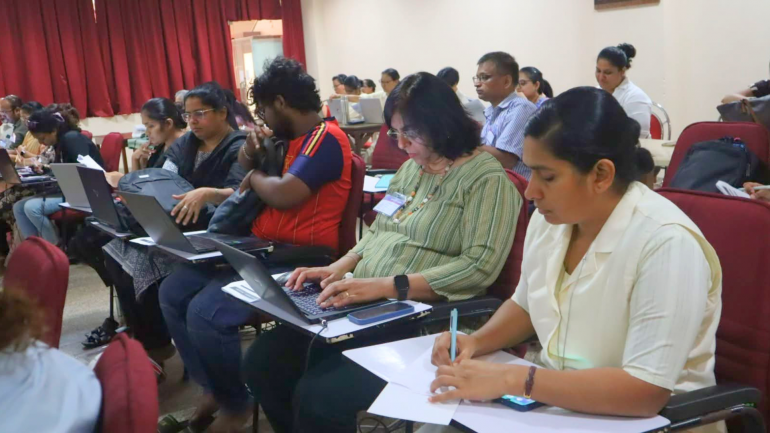
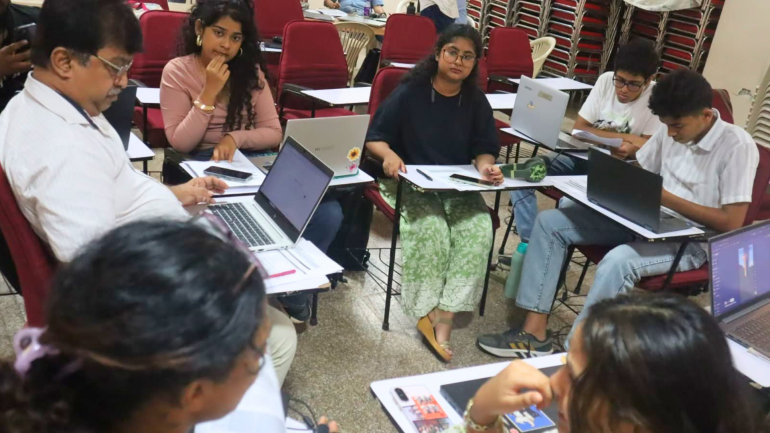
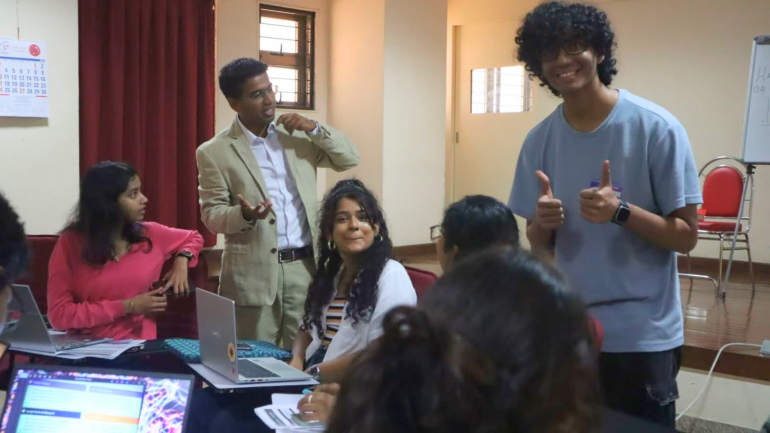
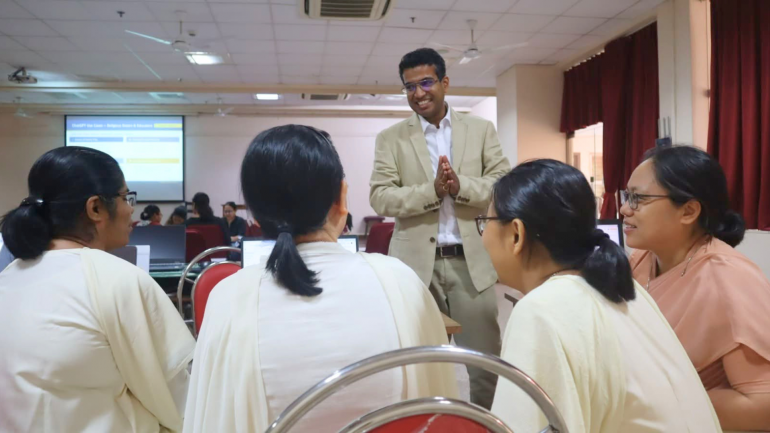
By the conclusion of the program, participants had created presentations, videos, reports, and social media content using AI tools.
Several participants described the workshop as practical and accessible. Michael Mahendra said the training helped him overcome his fear of AI and understand its usefulness. Nikhil Kumar highlighted the sessions on video and image generation, while Joelle D’Costa said the workshop introduced her to new teaching methods.
Brenela Lewis, a tutor and catechist, said the program expanded her understanding of teaching aids and effective prompt writing for AI tools.
Organizers expressed hope that the initiative would encourage responsible and creative use of technology in the service of education, communication, ministry, and society.
Radio Veritas Asia (RVA), a media platform of the Catholic Church, aims to share Christ. RVA started in 1969 as a continental Catholic radio station to serve Asian countries in their respective local language, thus earning the tag “the Voice of Asian Christianity.” Responding to the emerging context, RVA embraced media platforms to connect with the global Asian audience via its 21 language websites and various social media platforms.
Latest News