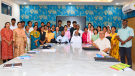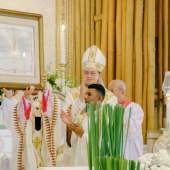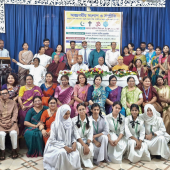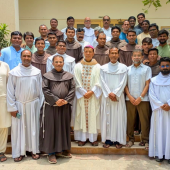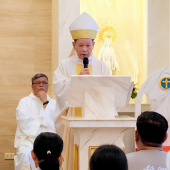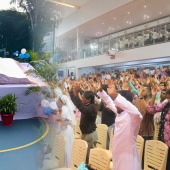
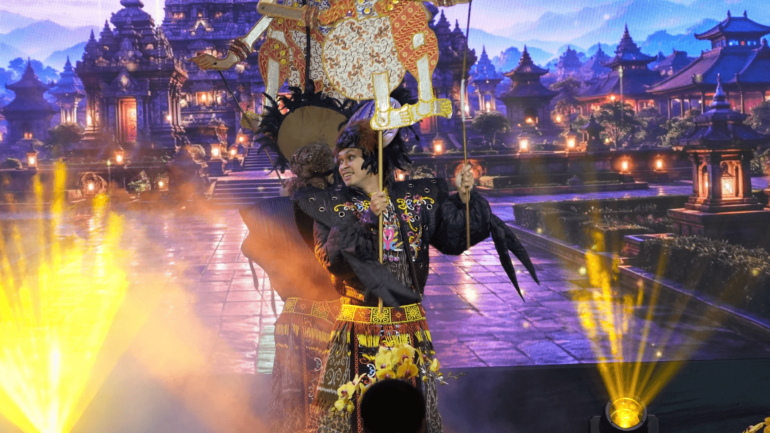
Indonesia welcomed bishops and Church leaders from across Asia with a celebration of its cultural diversity during the opening of the 12th Plenary Assembly of the Federation of Asian Bishops' Conferences (FABC) at Hotel Mulia, Jakarta, on July 21, using traditional music, dance, and indigenous expressions to reflect the assembly's call to walk together as a synodal Church.
For Fr. Hans Jeharut, chair of the FABC 2026 Events Committee, the cultural presentations were an intentional expression of the Indonesian Church rather than simply entertainment.
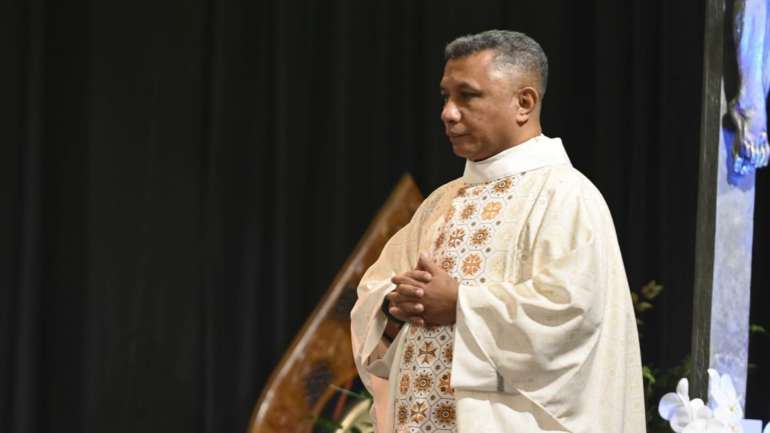
"In every major ecclesial celebration, we always try to showcase the richness of the Church in Indonesia. As much as possible, different regions are represented," Fr. Hans said.
"For this Assembly, North Sumatra is featured during the opening celebration, Flores accompanies the closing procession through the Jai dance, while Javanese traditions are present in the offertory procession and will also be highlighted during the celebration at Jakarta Cathedral."
Among the participants, the North Sumatra Catholic Family Association (IKKSU) Greater Jakarta offered more than a cultural performance. Their participation reflected years of pastoral service and solidarity with communities in need.
IKKSU brings together Catholics from North Sumatra, including members of the Toba Batak, Karo, Simalungun, Nias, Pakpak, and other ethnic communities.
According to Lodewijk Sihite, chair of IKKSU Greater Jakarta, the association has quietly served the Church by accompanying bereaved families, assisting students facing financial hardship, supporting seminarians and religious in formation, and responding to pastoral needs regardless of ethnic background.
"Perhaps we have not done anything extraordinary, but we have tried to be present wherever the Church's pastoral ministry needs us," Sihite said.
That commitment became especially evident after natural disasters struck the Diocese of Sibolga in North Sumatra, where IKKSU worked alongside the local Church in relief and recovery efforts. Their service eventually led the FABC organizers to invite the association to represent North Sumatra during the opening celebration.
For Fr. Hans, that choice reflected the deeper meaning of the liturgy.
"Several areas in North Sumatra have recently experienced major disasters. Many of those participating today were actively involved in the recovery efforts. It is therefore fitting that thanksgiving for healing and renewal should become part of this celebration," he said.
IKKSU also emphasized the participation of younger generations. Rather than relying mainly on senior members, the association entrusted significant roles to young people and children, including two children who joined the offertory procession.


"It is time for us to give them the stage," Sihite said.
Thirty-four IKKSU members participated in the opening celebration, including 10 tortor dancers with three instructors, six members in the offertory procession, and others who led prayers and music.
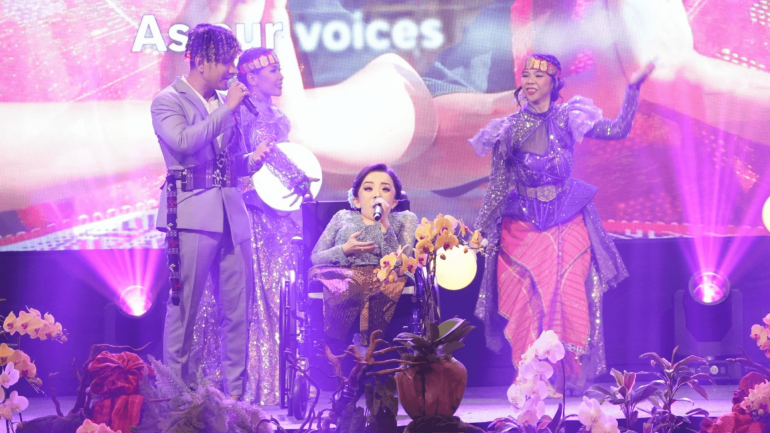
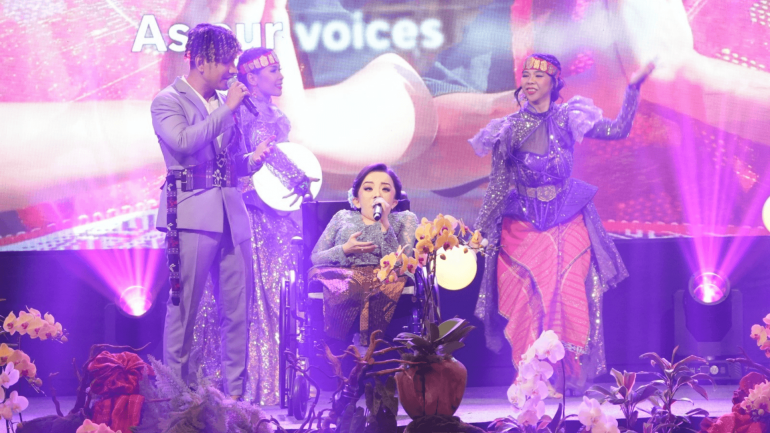
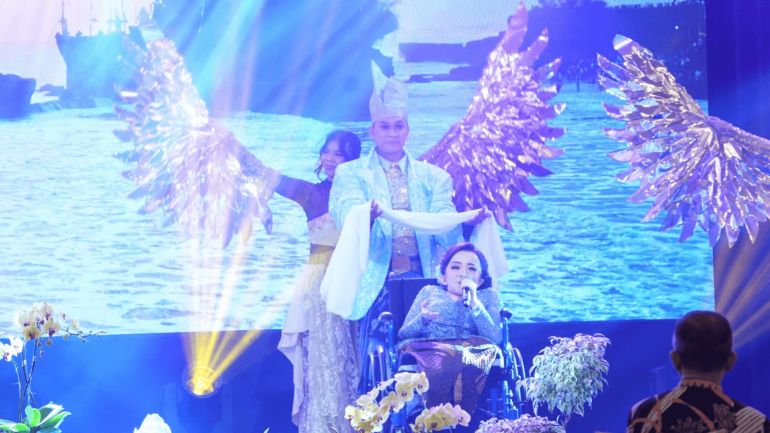
The opening ceremony also featured the Nusantara Dancers, who performed traditional dances representing Indonesia's diverse cultural heritage, including traditions from Sumatra, Java, and Nusa Tenggara. Colorful costumes, indigenous music, and regional choreography introduced delegates to the cultural richness of the Indonesian archipelago.
The cultural program continued with Tommy Boly Lakawolo, who sang For the Beauty of the Earth, a hymn of thanksgiving for creation and the cultural heritage shared by the peoples of Asia.
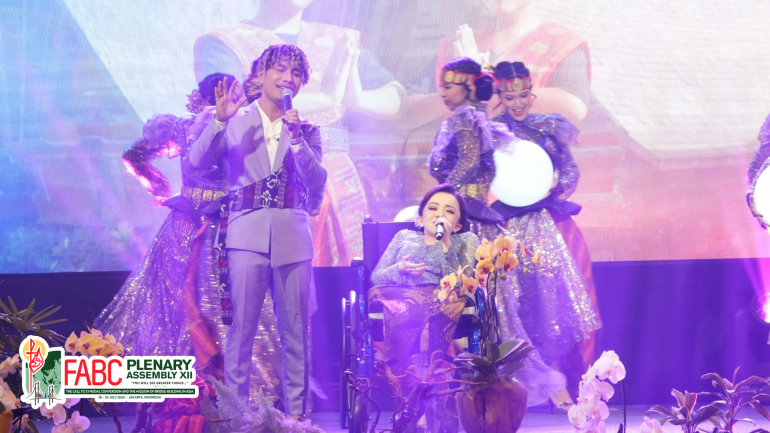
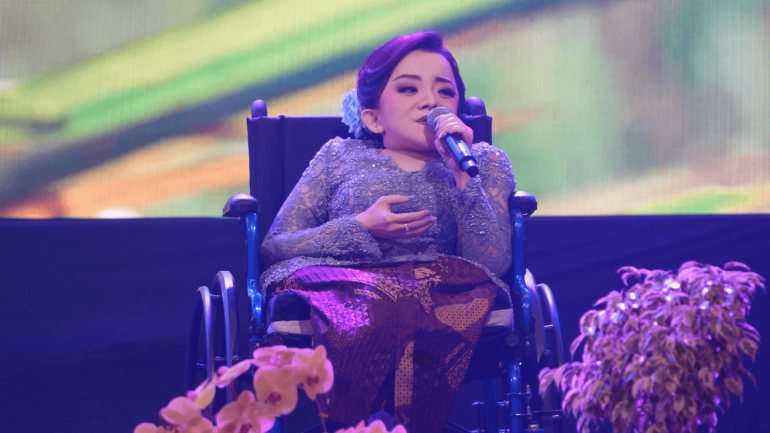
A particularly moving moment came when Christina Santoso, a singer with a disability, performed Make Me a Channel of Your Peace, the prayer attributed to St. Francis of Assisi. Her performance underscored the assembly's call to become bridge-builders and affirmed that every person has a role in the Church's mission.
Together, the cultural presentations illustrated the assembly's theme, "Called to Synodal Conversion and the Mission to Be Bridges and Bridge-Builders in Asia," demonstrating that synodality is expressed not only in dialogue and discernment but also through the lived faith, service, and cultural traditions of local Churches across Asia.
Radio Veritas Asia (RVA), a media platform of the Catholic Church, aims to share Christ. RVA started in 1969 as a continental Catholic radio station to serve Asian countries in their respective local language, thus earning the tag “the Voice of Asian Christianity.” Responding to the emerging context, RVA embraced media platforms to connect with the global Asian audience via its 21 language websites and various social media platforms.
Latest News