

National Symposium in Mumbai Examines Family Life and Human Dignity in the Age of AI

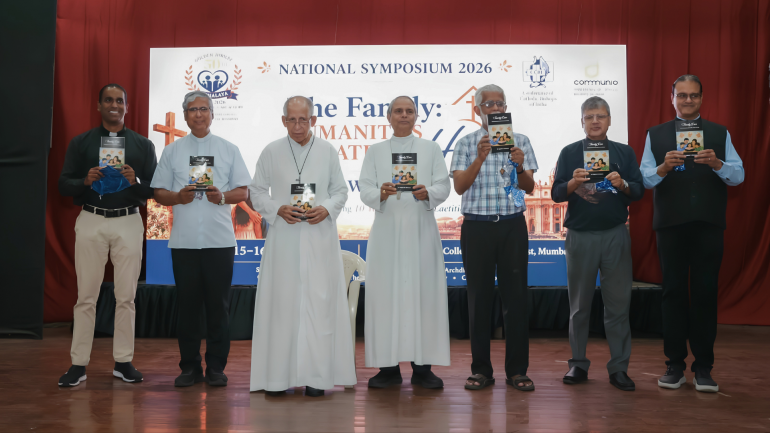
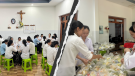
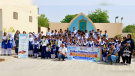
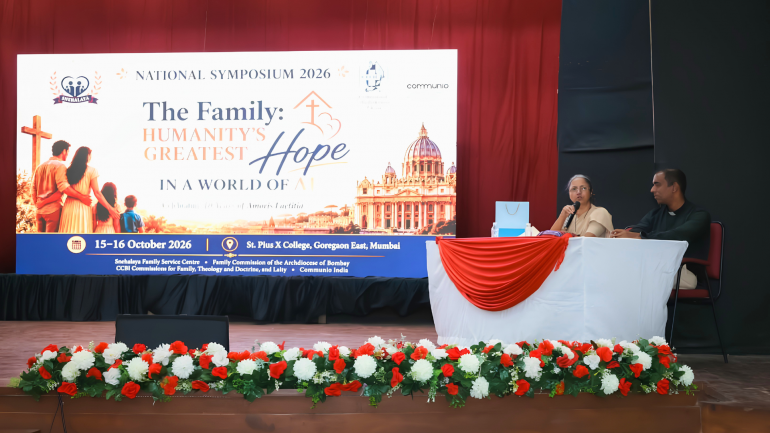
More than 200 participants from across India gathered at St. Pius X College in Goregaon, Mumbai, on October 15–16 for a national symposium examining challenges to family life, pastoral accompaniment, and the responsible use of artificial intelligence (AI).
Organized by the Conference of Catholic Bishops of India (CCBI) Commissions for Theology and Doctrine, Family and Laity, in collaboration with the Family Commission of the Archdiocese of Bombay, the symposium marked 10 years of Amoris Laetitia, Pope Francis’ apostolic exhortation on love in the family. It also explored Pope Leo XIV’s vision of Magnifica Humanitas, emphasizing the protection of human dignity in the age of AI.
The first day, themed “The Joy of Love: Celebrating Ten Years of Amoris Laetitia,” highlighted the family as the domestic Church and the first school of faith, communion, and mission. Natasha and Swayze Mani reflected on parents’ role in transmitting faith through daily family life and fostering service and communion.
Fr. Cajetan Menezes addressed the accompaniment of families facing marital difficulties and complex situations, emphasizing discernment and integration. Fr. Tom Kainikkara examined the relationship between mercy and truth in family ministry, while Fr. Ashwin Castellino spoke about young people, marriage, and vocational discernment. The sessions highlighted the need for compassionate pastoral care and support for families at different stages of life.
The second day, themed “Magnifica Humanitas: Safeguarding the Human Person in the Age of AI,” examined technology’s impact on relationships, family life, and human dignity.
Royston Braganza explored how technology could support families while cautioning against its potential to weaken personal presence, prayer, and authentic relationships. He encouraged practical measures such as device-free family meals, responsible parental example, and community support.
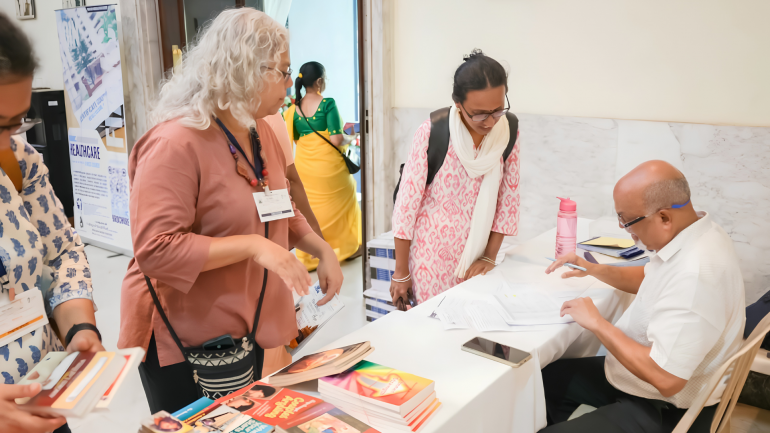
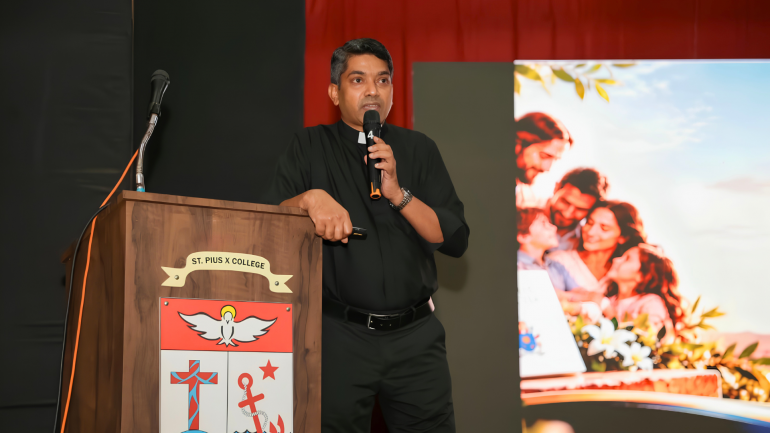
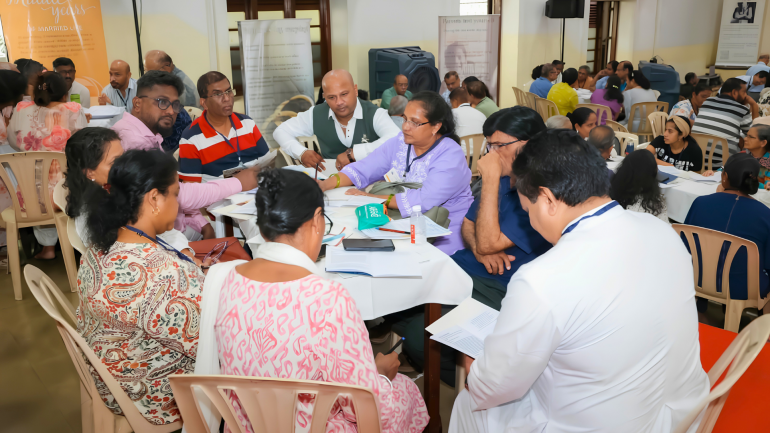
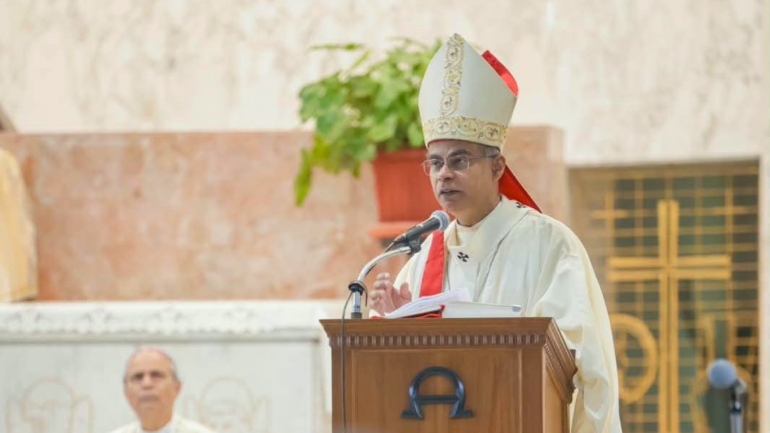
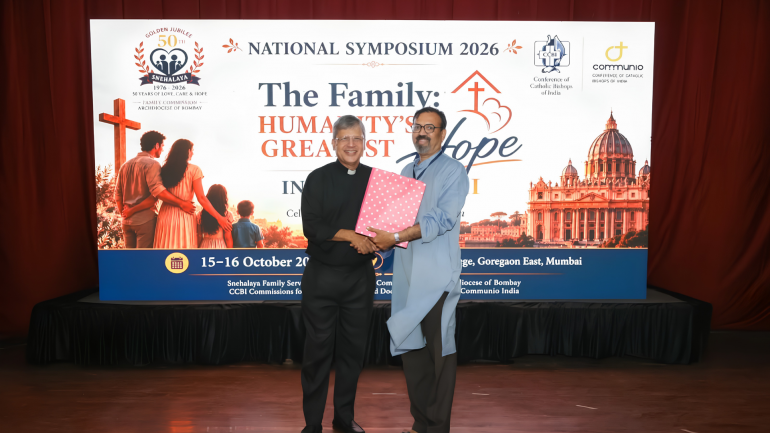
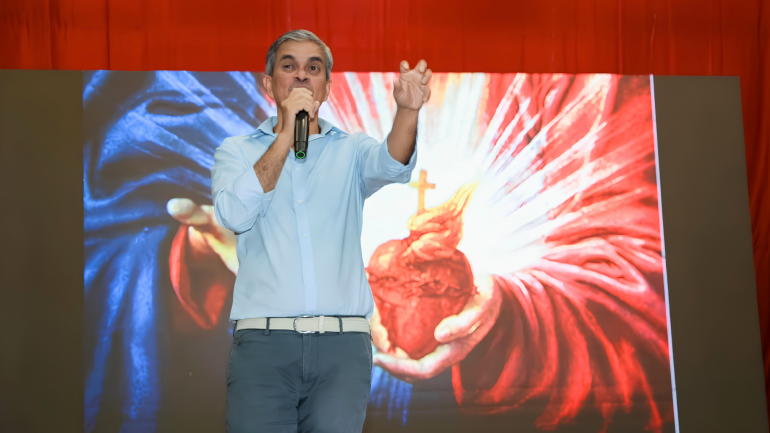
Fr. Sabu Thomas reflected on human dignity, work, and relationships in an algorithm-driven culture, emphasizing that technology must serve humanity rather than reduce people to data and productivity. Adele Pereira addressed the formation of conscience and virtue among children, highlighting the responsibility of parents and educators to guide young people in the digital age.
Fr. Gilbert de Lima connected family life with synodality and the common good, encouraging listening, shared responsibility, and respect for human dignity. He called on families and communities to strengthen personal relationships and ensure that technological progress serves humanity.
Participants welcomed the symposium’s practical and pastoral focus. Linda Dias highlighted the need to offer young people hope through discernment, noting that pastoral accompaniment is essential to strengthening Christian families amid the widespread use of technology.
Philip Dias emphasized the importance of combining mercy with truth when accompanying families in complex situations. He called for their active integration into parish life so that families become participants in the Church’s mission rather than merely recipients of pastoral care.
The symposium concluded with discussions on developing an action plan to translate the insights into concrete initiatives for family ministry. Participants were encouraged to strengthen families as communities of faith, love, and service while ensuring that technology supports relationships and upholds the dignity of every person.
Radio Veritas Asia (RVA), a media platform of the Catholic Church, aims to share Christ. RVA started in 1969 as a continental Catholic radio station to serve Asian countries in their respective local language, thus earning the tag “the Voice of Asian Christianity.” Responding to the emerging context, RVA embraced media platforms to connect with the global Asian audience via its 21 language websites and various social media platforms.
Latest News