



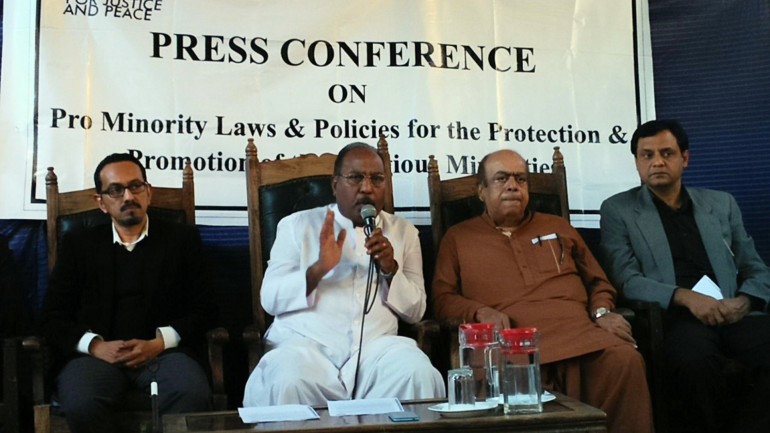
The provincial government of Punjab has constituted a “High-Level Technical Committee” to review statutory provisions governing Christian personal laws, including marriage, divorce, maintenance, guardianship, succession, and registration. The initiative aims to identify protection gaps, structural inconsistencies, and areas requiring clarification or reform.
According to a notification issued on April 6, 2026, by the Human Rights and Minorities Affairs Department, the 37-member committee includes Christian theologians, human rights advocates, minority rights activists, women’s rights groups, child protection organizations, lawyers, politicians, and representatives of vulnerable communities, including transgender persons and persons with disabilities.
The committee’s mandate includes conducting a comprehensive review of existing laws and evaluating how they function in practice, particularly their impact on women, children, the elderly, and other vulnerable groups. It will also form thematic sub-working groups, including a Christian Theological Working Group representing major denominations, to provide doctrinal input on issues related to family life and succession.
Additionally, the committee will hold consultations with stakeholders to ensure that proposed reforms reflect lived realities and human rights standards. It will coordinate with government departments and civil registration authorities to assess the feasibility of reforms and develop an integrated registration system. This system aims to strengthen the legal recognition and reliability of records of births, marriages, divorces, and deaths, including coordination with the National Database and Registration Authority.
Fr. Lazar Aslam, OFM Cap., coordinator of the Commission for Justice, Peace, and Ecology, welcomed the move, noting that many existing laws date back more than 150 years to the colonial era. “The world has changed significantly, and these laws need urgent review,” he said, while appreciating the inclusive composition of the committee.
He also stressed the need to ensure full religious freedom and protection for minorities, particularly against forced conversions and underage marriages involving Christian girls.
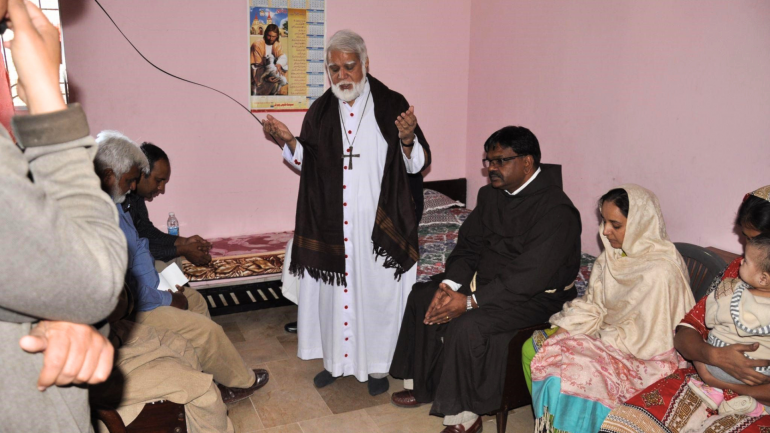
Sr. Mariam Nasreen of the Holy Family Sisters of Bordeaux also welcomed the initiative but emphasized the importance of effective implementation. Drawing from her experience across Punjab, Sindh, and Balochistan, she highlighted the vulnerability of Christian women, especially young girls at risk of abduction, forced conversion, and marriage.
She urged authorities to enforce the rule of law firmly and ensure protection for vulnerable women, expressing hope that the committee’s work would lead to timely and meaningful reforms
Radio Veritas Asia (RVA), a media platform of the Catholic Church, aims to share Christ. RVA started in 1969 as a continental Catholic radio station to serve Asian countries in their respective local language, thus earning the tag “the Voice of Asian Christianity.” Responding to the emerging context, RVA embraced media platforms to connect with the global Asian audience via its 21 language websites and various social media platforms.
Comments
Latest News



- Reply
Permalink