



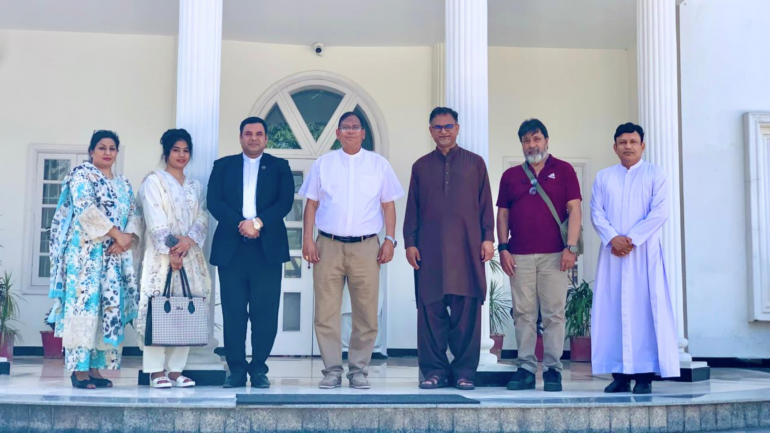
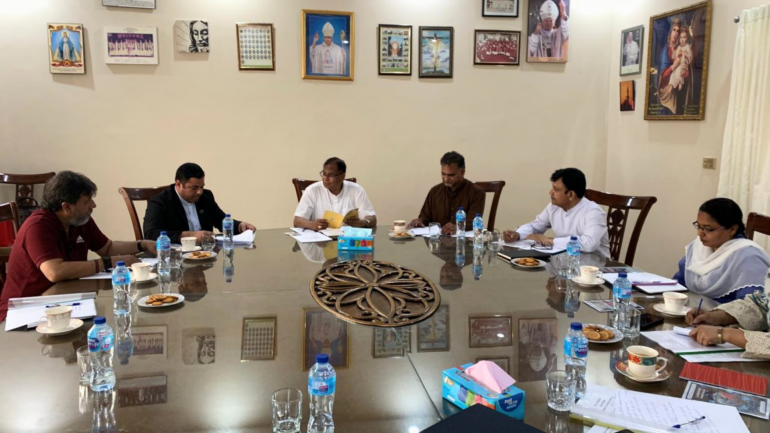
At its annual board meeting on April 22, the RVA Urdu Service announced plans to launch a new Pashto-language service based in Peshawar, while also resolving to strengthen collaboration among dioceses in Pakistan and expand media outreach through training programs, youth involvement, and grassroots media literacy initiatives.
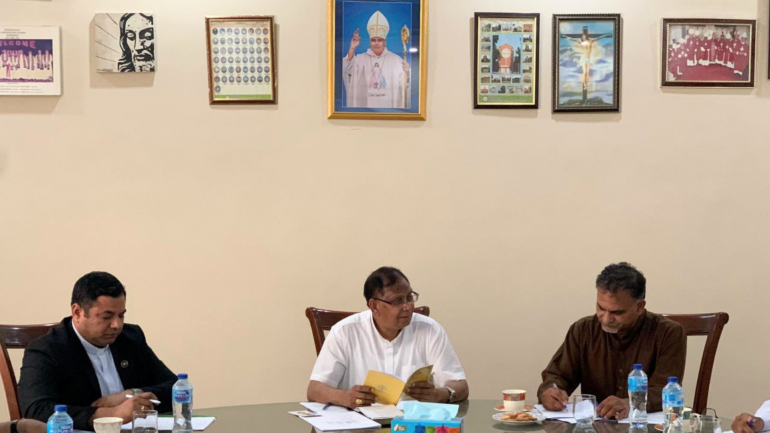
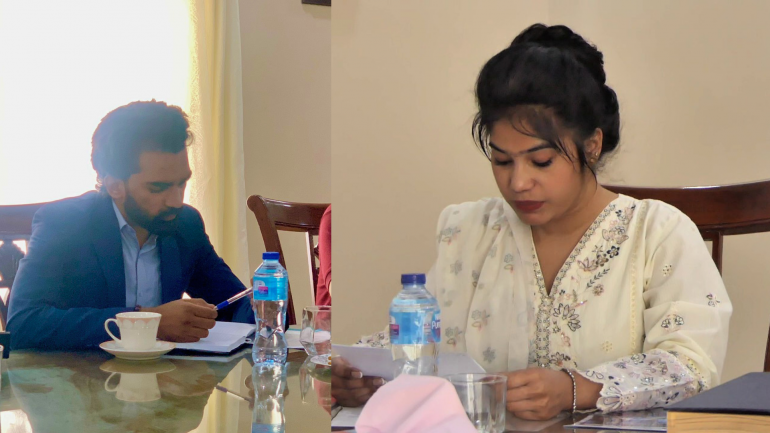
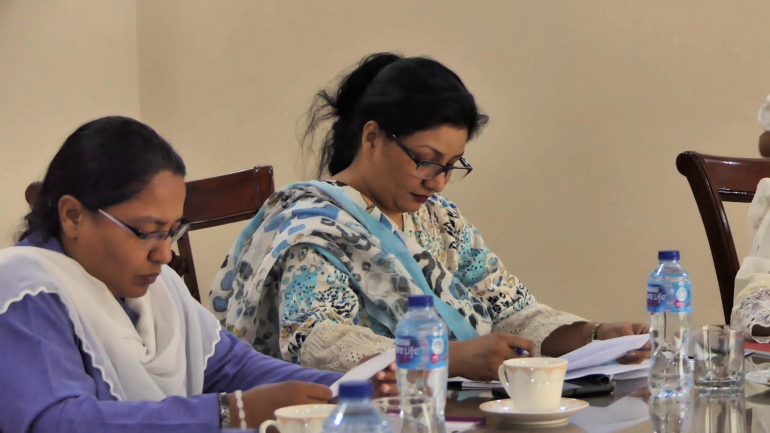
The meeting was held at the Bishop’s House in Lalkurti, Rawalpindi Cantonment, and was attended by board members, program producers, and studio staff.
It was chaired by Archbishop Joseph Arshad of Islamabad-Rawalpindi, who heads the RVA Urdu Service.
In his address, the archbishop described modern means of communication, including social media and the internet, as “a gift of God” that must be used responsibly for evangelization and the promotion of peace. He urged clergy, religious, and media workers to ensure that all content, articles, videos, and social media posts reflect Gospel values and contribute to unity and social harmony.
“Media should become a bridge between the Church and society,” he said, stressing that communication must overcome fear, distance, and misunderstanding within communities.
Archbishop Arshad emphasized that digital platforms offer new opportunities to reach children, youth, and families with the message of Christ and the Church’s social teachings. However, he cautioned that online broadcasts, including televised Masses, cannot replace physical participation in the Eucharist and should primarily serve the sick and elderly.
Addressing broader concerns, the archbishop noted that despite sustained efforts, many Christians in Pakistan remain hesitant to assert their rights. He called for renewed confidence and collective responsibility, saying that communication ministry must empower communities and foster awareness.
He also expressed concern about declining writing skills and critical thinking among youth, urging greater investment in education and media training. “Technology and artificial intelligence are valuable tools,” he said, “but they can never replace human presence and the wisdom of the heart.”
A key highlight of the meeting was the announcement of a proposed RVA Pashto Service to be based in Peshawar. According to Fr. Qaisar Feroz, director of the Urdu Service, initial research and audience surveys have already been completed.
The new initiative aims to reach Pashto-speaking communities in Pakistan and neighboring Afghanistan with messages of peace, hope, and social harmony.
Participants also reviewed the annual report of the Urdu Service, noting growing engagement across digital platforms, including its website, mobile application, and social media channels.
Radio Veritas Asia (RVA), a media platform of the Catholic Church, aims to share Christ. RVA started in 1969 as a continental Catholic radio station to serve Asian countries in their respective local language, thus earning the tag “the Voice of Asian Christianity.” Responding to the emerging context, RVA embraced media platforms to connect with the global Asian audience via its 21 language websites and various social media platforms.
Comments

Latest News




- Reply
Permalink