

Philippines: Church, Civil Society Groups Convene to Address ‘Tolerated Evils’ in Governance, Ecology, Economy

The Catholic Church in the Philippines, together with civil society organizations and sectoral groups, will convene a three-day convergence aimed at confronting what Church leaders describe as “tolerated evils” in governance, ecology, and the economy.
The gathering, titled “Hayuma: Mending the Broken – A Church-Led Convergence on Ecology, Governance, and Economy,” will be held from January 14 to 16, 2026, at the George S.K. Ty Function Hall of the University of Santo Tomas in Manila.
Organizers said the convergence underscores the Church’s continuing role in pushing for systemic change by addressing interconnected crises such as environmental degradation, economic injustice, and failures in governance—guided by Catholic social teaching and grounded in the lived realities of marginalized sectors.
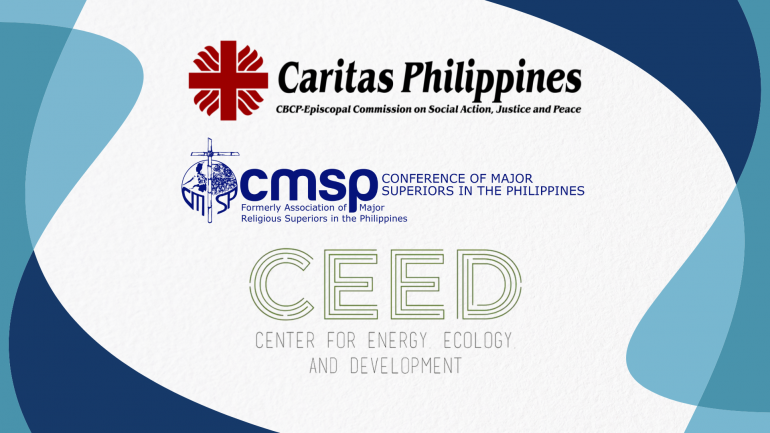
Hayuma is organized through a partnership among Caritas Philippines, the Conference of Major Superiors of the Philippines (CMSP), and the Center for Energy, Ecology, and Development (CEED). It will bring together Church leaders, climate advocates, labor groups, people’s organizations, and representatives of workers, women, youth, Indigenous peoples, and impoverished communities.
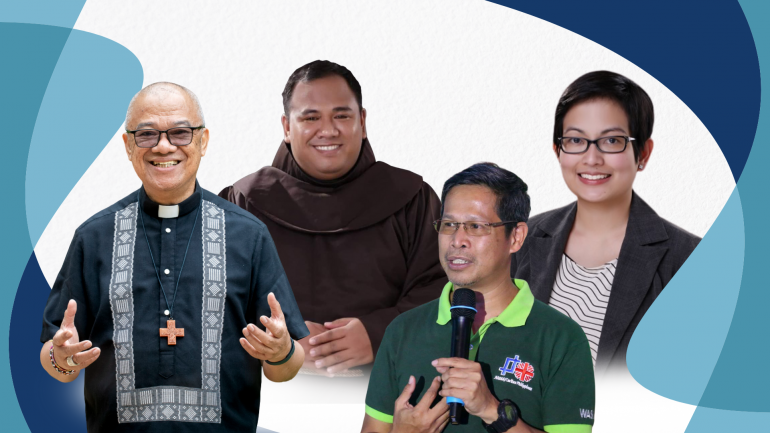
The program will open on January 14 with a national situationer to be delivered by Fr. Angel Cortez, CMSP co-executive secretary and JPICC national coordinator, alongside a contextual analysis by Fr. Edwin Gariguez, social action director of the Apostolic Vicariate of Calapan.
A panel discussion titled “Tinig: Bukal ng Tipan” will follow, featuring Prof. Cielo Magno of the University of the Philippines School of Economics, Fr. Rey Raluto, and Atty. Tony La Viña of the Manila Observatory.
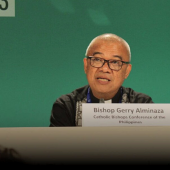
On January 15, Bishop Gerardo “Gerry” Alminaza, president of Caritas Philippines and chair of the CBCP’s Episcopal Commission on Social Action, Justice and Peace, will deliver reflections on “Tolerated Evils versus Being a Church of the Poor,” inspired by the pastoral vision Dilexi Te.
Organizers said interviews with Church and community leaders will be available throughout the event, as the convergence seeks to strengthen collaboration between the Church and civil society in advancing justice, ecological stewardship, and accountable governance.
Radio Veritas Asia (RVA), a media platform of the Catholic Church, aims to share Christ. RVA started in 1969 as a continental Catholic radio station to serve Asian countries in their respective local language, thus earning the tag “the Voice of Asian Christianity.” Responding to the emerging context, RVA embraced media platforms to connect with the global Asian audience via its 21 language websites and various social media platforms.
Latest News