

Philippines: Diocese Evaluation Finds Summer Catechism Program Strengthens Children’s Faith

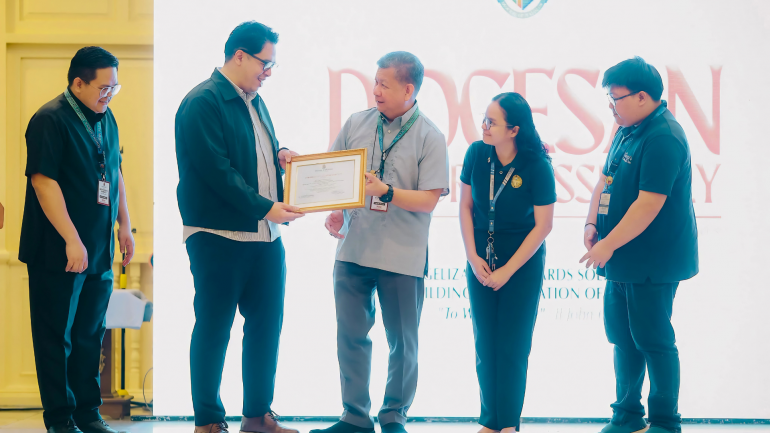
The Diocese of Malolos in the Philippines has found that its inaugural summer catechism program helped children deepen their understanding of the Catholic faith and prayer, while providing young volunteers with opportunities for formation and service.
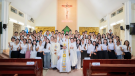
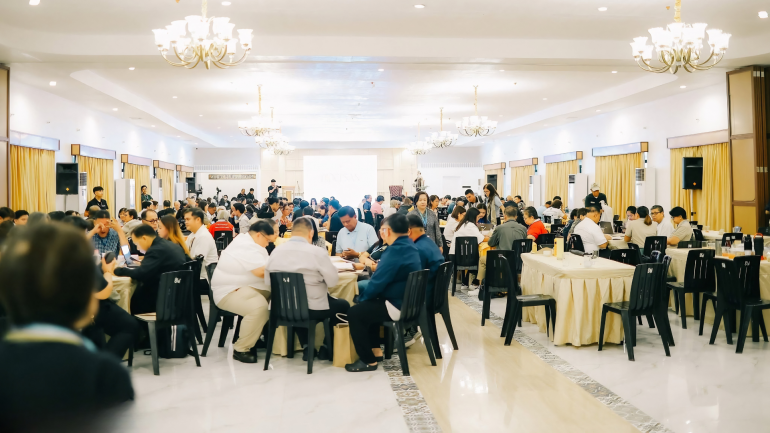
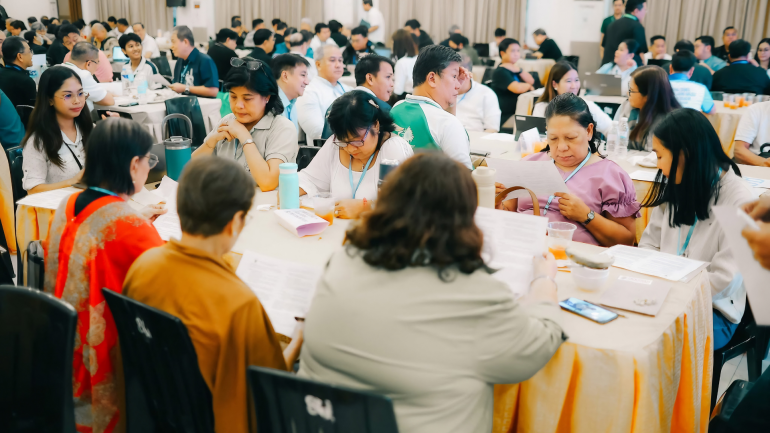
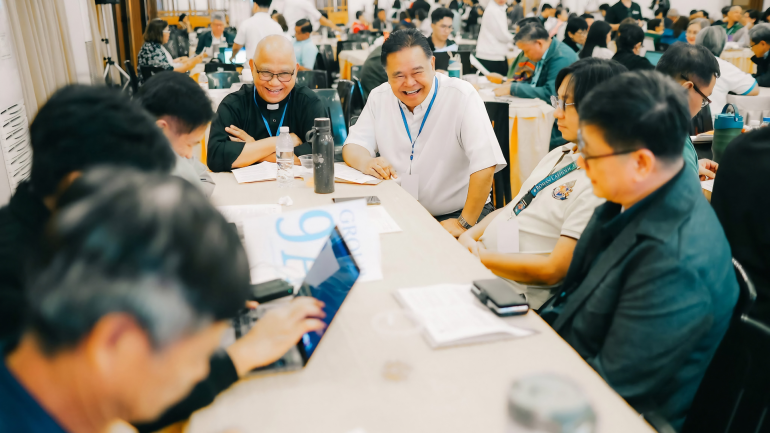
The findings of the Simba-Aralan program were presented on October 8 during the diocese’s annual pastoral assembly, five months after the initiative brought children ages 6 to 12 to parishes and community chapels for faith formation in May.
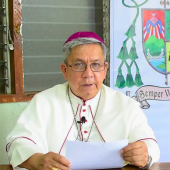
The program, spearheaded by the Diocesan Commission on Evangelization and endorsed by Bishop Dennis Villarojo of Malolos, was introduced in response to challenges in conducting catechism classes in public schools following changes to the Department of Education’s academic calendar.
Simba-Aralan combines the Filipino words simba, meaning to attend Mass, and aralan, meaning to study. It mobilized catechists across the diocese’s parishes to teach children about the Catholic faith through prayer, educational activities, songs, games, and other interactive methods.
The diocese partnered with the Center for Research Excellence and Development (CREDO) of Dr. Yanga’s Colleges to evaluate the program. Dr. Roger Carlo Pineda of CREDO presented feedback gathered from children, catechists, youth volunteers, and parish priests.
“The children did not merely enjoy themselves. They reported understanding the faith… and learning to pray better,” Dr. Pineda said, identifying faith formation as the program’s principal strength.
He noted that respondents viewed games, songs, drawing, and praying the Rosary not simply as breaks from catechesis but as ways to engage children in learning.
Dr. Pineda also said that feedback from different groups using different assessment methods consistently pointed to positive outcomes.
“When different groups using different instruments arrive independently at the same conclusion, our confidence in that conclusion increases. This convergence is the strongest evidence across the entire evaluation,” he said.
The initiative also contributed to youth formation, with young people accounting for approximately 97% of the program’s instructors, according to Dr. Pineda.
“Voluntarism and youth development became a secondary outcome of the program,” he said.
The evaluation recommended that the diocese conduct the program again, while identifying areas for improvement, including learning facilities, funding, food for participants, and the availability of instructors.
“Catechists are few, and many of them are full-time teachers who gave up their vacations and weekends,” Dr. Pineda said. “Volunteers are willing, but they are often under-trained. Facilitators often end up carrying tasks that should be shared.”
He recommended strengthening the evaluation process through age-specific results, assessments of children’s faith knowledge before and after the program, and measures of volunteer competencies. These would help the diocese better understand what children learn and how the program influences their Christian lives.
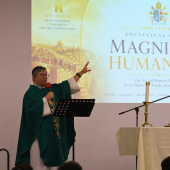
During the closing Mass of the pastoral assembly, Bishop Villarojo urged parish communities to reach beyond their usual circles and invite families from the peripheries to participate.
“When we knock at the house… we're actually knocking on the Lord's heart, saying, ‘Lord, send the Holy Spirit to this house,’” he said, encouraging the faithful to invite families to become involved in parish activities.
“We ask, seek, and knock,” he added. “This is the deepest form of evangelization.”
Bishop Villarojo also expressed hope that the experience of Simba-Aralan would extend into homes and become part of family faith formation.
The program is scheduled to return across the Diocese of Malolos in May 2027. The diocese will also study the possibility of making it a regular Sunday program.
Radio Veritas Asia (RVA), a media platform of the Catholic Church, aims to share Christ. RVA started in 1969 as a continental Catholic radio station to serve Asian countries in their respective local language, thus earning the tag “the Voice of Asian Christianity.” Responding to the emerging context, RVA embraced media platforms to connect with the global Asian audience via its 21 language websites and various social media platforms.
Latest News