In the highlands of Sablayan, located in the southwestern part of Occidental Mindoro, Philippines, a quiet sanctuary rises above the tropical heat, Mindoro Pines, often called the “Little Baguio of Mindoro.” Its cool air, mist-covered slopes, and rows of pine trees offer not just a scenic retreat, but a sacred space for reflection, an encounter with creation itself.
For environmentalist Tina Jarabe, founder of Mindoro AdvenTours, the site represents both beauty and responsibility. Having hiked the area more than 35 times since 2023, she has witnessed its transformation firsthand, both inspiring and alarming.
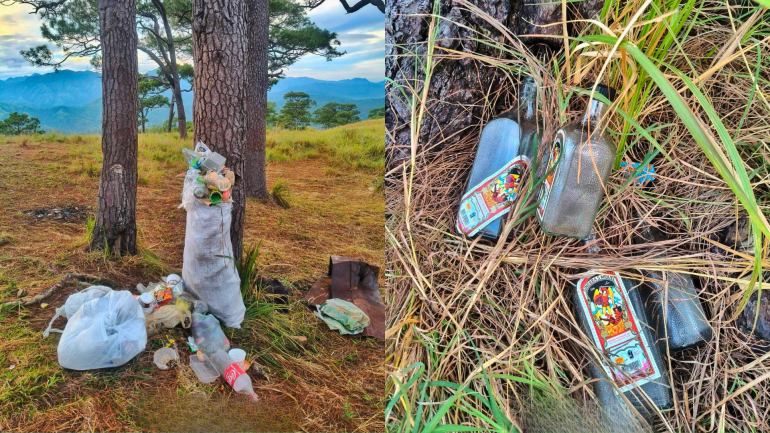
“Last January, I helped bring down more than five sacks of garbage. Recently, there were three more,” she shared, noting that the waste included plastic cups, bottles, liquor containers, and even leftover food such as rice abandoned on the trails.
This troubling reality became even more evident during the recent Holy Week, when an influx of visitors left behind piles of trash across campsites and hiking paths.
For many, the damage goes beyond physical waste; it wounds something deeper. Mindoro native and nonprofit press officer Lani Casiple-Villanueva recalled her first encounter with the pines:
“I still remember the first time I saw those pines among the mist. It felt like the mountain was letting me in on a beautiful secret. But the trash is a punch to the gut. Plastic bottles, food wrappers, you could see them from the takeoff point to the top. It felt like a betrayal of the reverence the mountain deserves.”
She added a stark reminder:
“Every piece of plastic left behind isn’t just an eyesore. It’s an act of aggression against a mountain that sustains us, against a piece of our island’s soul. Being a ‘mountain lover’ means moving beyond the ego of the summit and being stewards of the mountains. If our footprints are accompanied by trash, we aren’t hikers; we are part of the problem.”
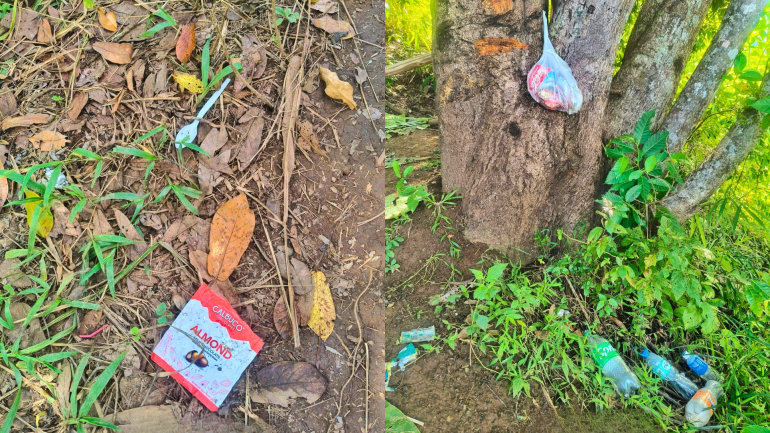
Her words echo the urgent call of Laudato Si’, where Pope Francis reminds the faithful that “the earth, our home, is beginning to look more and more like an immense pile of filth.” The encyclical emphasizes that care for the environment is not optional—it is a moral obligation rooted in faith.
Jarabe said, “Mindoro Pines stands as both a gift and a test. Its beauty invites awe, but its vulnerability demands action. As more people seek solace in nature, the challenge is clear: to ensure that every journey into the mountains becomes an act of respect, not exploitation.”
In the spirit of Laudato Si’, caring for places like Mindoro Pines is ultimately an expression of faith, one that honors creation, uplifts communities, and safeguards the future.
“If the mountain has welcomed us into its quiet majesty, the least we can do is leave it whole, unburdened, and sacred for those who will come after.”
Radio Veritas Asia (RVA), a media platform of the Catholic Church, aims to share Christ. RVA started in 1969 as a continental Catholic radio station to serve Asian countries in their respective local language, thus earning the tag “the Voice of Asian Christianity.” Responding to the emerging context, RVA embraced media platforms to connect with the global Asian audience via its 21 language websites and various social media platforms.
Latest News