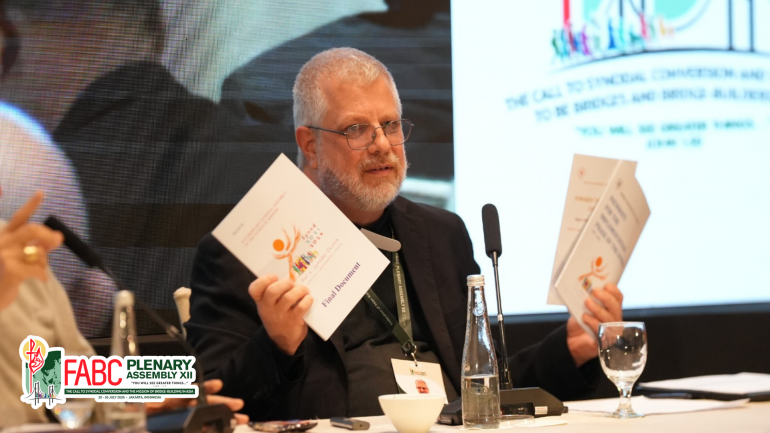
The implementation of the Synod on Synodality is not about Rome directing local Churches from the center but about empowering them to discern their own path in communion with the universal Church, a Vatican synod official told delegates at the 12th Plenary Assembly of the Federation of Asian Bishops' Conferences (FABC).
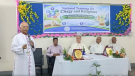
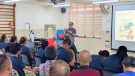
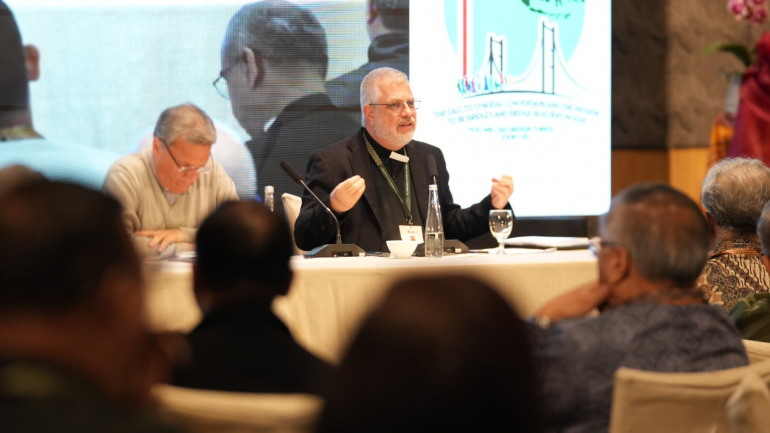
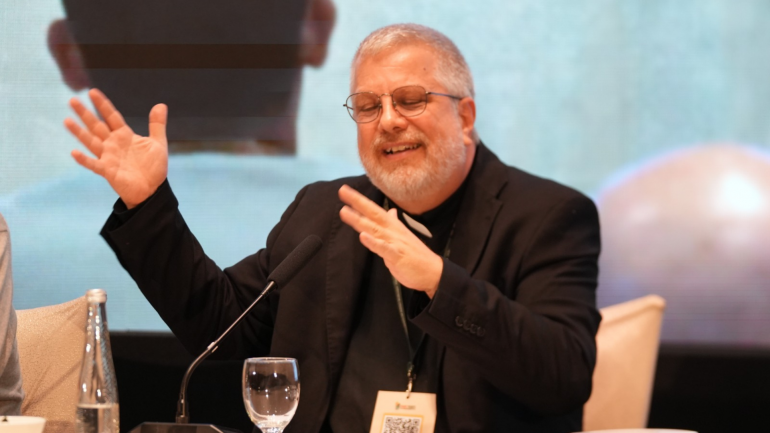
Fr. Giacomo Costa, SJ, a consultor to the General Secretariat of the Synod and one of the principal collaborators in the global synodal process, delivered the message during his presentation, "Pathways for the Implementation of the Synod," at the Vanda Room of Hotel Mulia in Jakarta on July 24.
Addressing bishops and Church leaders from across Asia, Fr. Costa said the next phase of the Synod depends not on tighter direction from the Vatican but on local Churches embracing their responsibility to discern how the Holy Spirit is calling them to live the Gospel in their own contexts.
"Rome does not replace the responsibility of the local Churches," he said. Instead, the role of the General Secretariat of the Synod is to accompany, support, and provide resources as dioceses continue their synodal journey.
Fr. Costa grounded his reflection in a recent message from Pope Leo XIV to the College of Cardinals, which he described as the key to understanding the implementation phase of the Synod.
Rather than launching another ecclesial program, the Pope called on bishops to accompany the implementation of the Synod "with conviction" in the Churches entrusted to them, helping the People of God grow in what he described as "an ever more evangelical style."
According to Fr. Costa, that vision marks an important shift in perspective.
"The implementation phase is not about applying instructions from the Vatican as though they were administrative regulations," he explained. "It is about enabling each local Church to discern how the Holy Spirit is leading its people within their own history, culture, and pastoral reality."
He emphasized that the various documents issued by the General Secretariat—including the Synod's Final Document, implementation pathways, and practical guidelines—should never become the focus of the Church's efforts.
"The real center is the life and mission of the Church," he said.
Those texts, he explained, are intended to serve local communities, not replace their discernment. They should be adapted to local circumstances rather than implemented mechanically.
Fr. Costa said one of the Synod's most significant achievements has been restoring confidence in the local Church as the primary place where the Gospel is proclaimed, faith is lived, and missionary disciples are formed.
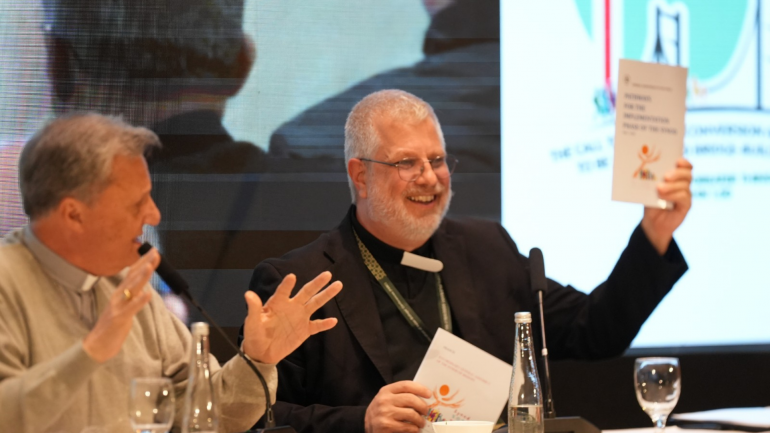
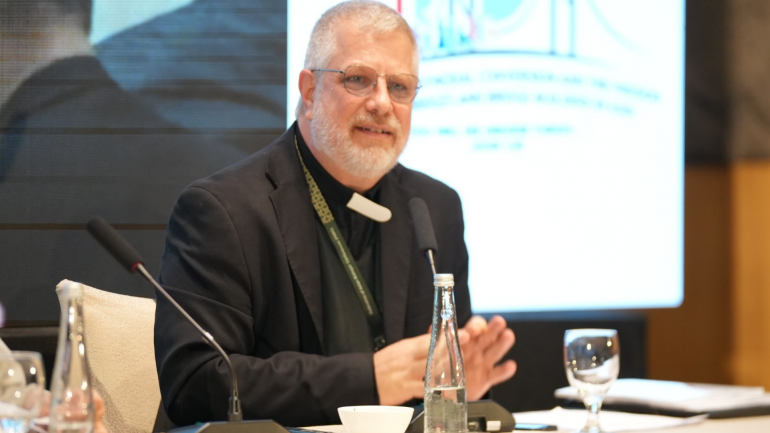
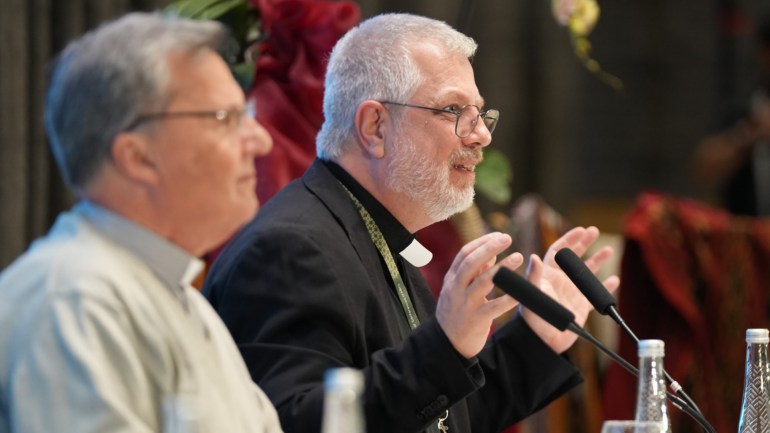
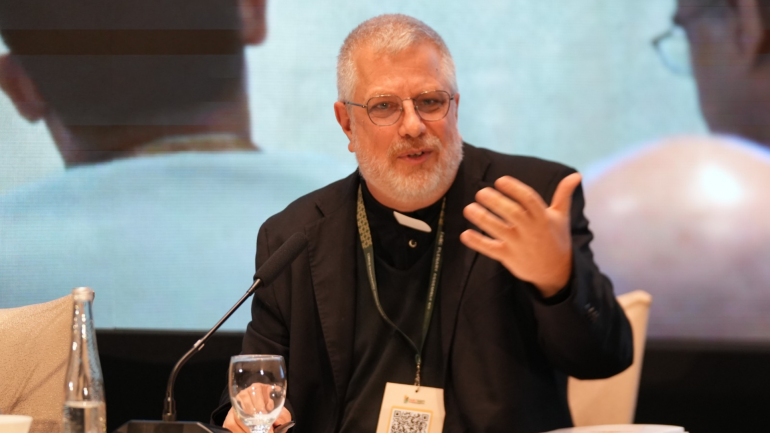
At the same time, he cautioned that emphasizing the local Church does not encourage independence or isolation.
"The Church is a communion of Churches," he said, explaining that local Churches flourish by learning from one another through shared experience, dialogue, and mutual support.
That understanding, he added, is why the Synod encourages ongoing collaboration among dioceses, bishops' conferences, continental assemblies, and the universal Church.
Fr. Costa described this relationship as one of accompaniment rather than supervision. The General Secretariat seeks to help local Churches reflect together, celebrate what the Holy Spirit is accomplishing, and continue discerning future pastoral priorities in communion with the wider Church.
His presentation also highlighted the evolving role of bishops in a synodal Church. Rather than acting primarily as administrators implementing directives, bishops are called to foster communion, encourage participation, and create spaces where the People of God can discern together the action of the Holy Spirit.
For the bishops attending the FABC assembly—many of whom serve minority Catholic communities across Asia's diverse religious and cultural landscape—the message carried particular significance.
Fr. Costa noted that Asia's diversity means there can be no single pastoral model for every Church. Instead, each local Church is called to discover how synodality can take root in its own circumstances while remaining fully united with the universal Church.
His presentation reinforced one of the assembly's recurring themes: the future of the Synod will not be determined by new structures or additional documents but by local Churches that confidently assume their mission, discern together, and live the Gospel in communion with the whole Church.
Radio Veritas Asia (RVA), a media platform of the Catholic Church, aims to share Christ. RVA started in 1969 as a continental Catholic radio station to serve Asian countries in their respective local language, thus earning the tag “the Voice of Asian Christianity.” Responding to the emerging context, RVA embraced media platforms to connect with the global Asian audience via its 21 language websites and various social media platforms.
Latest News