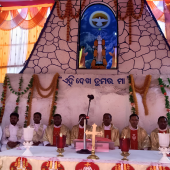
St. Francis’ Legacy Challenges Goan Catholics to Build Bridges and Care for Creation

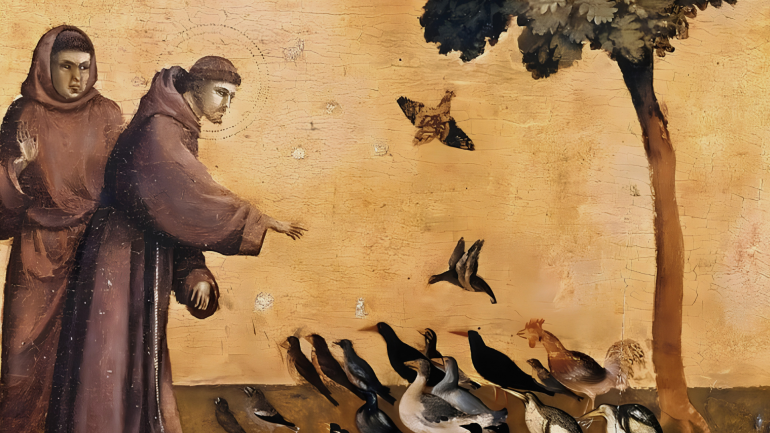
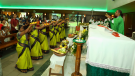
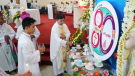
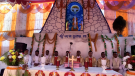
As the Church marks the 800th anniversary of the Transitus of St. Francis of Assisi, Catholics in the western Indian state of Goa are reflecting on Franciscan spirituality and how it can foster fraternity, peace and care for creation.
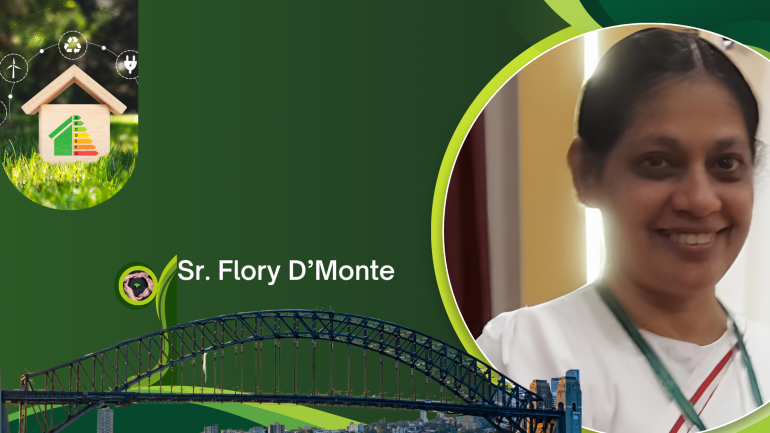
Sr. Flory D’Monte: “Let us begin again”
For Sr. Flory D’Monte FMCK, the anniversary is an invitation to renewal.
“For me, the 800th anniversary of the Transitus of St. Francis is not simply a commemoration of something that happened eight centuries ago. It is an invitation to remember, rediscover and begin again,” she said.
She places fraternity at the center of Franciscan spirituality, extending it to “people of all walks of life.”
“St. Francis’ spirituality can help us move from division to dialogue, from suspicion to encounter, and from ‘us and them’ to ‘brothers and sisters,’” she said.
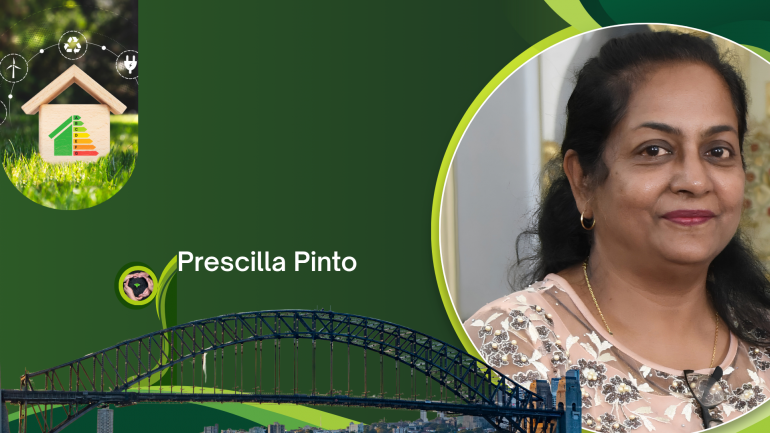
Prescilla Pinto: From “me” to “we”
For Prescilla Pinto, a parishioner of St. Francis of Assisi Church in Colvale, North Goa, the anniversary begins with personal examination.
“Am I living the Gospel with the simplicity, joy and sincerity that St. Francis lived it?” she asks.
Her emphasis is the movement from self to community. “In a world of divisions, St. Francis invites us to move from ‘me’ to ‘we.’”
She sees simplicity as a response to excessive consumption.
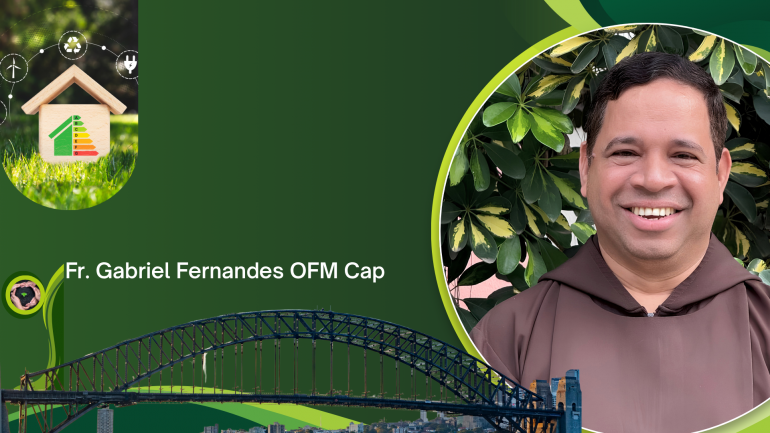
Fr. Gabriel Fernandes OFM Cap: Become a bridge
For Fr. Gabriel Fernandes OFM Cap, provincial superior of the Capuchins in Goa, the Transitus is “not a remembrance of death, but a celebration of fulfilment.”
St. Francis welcomed “Sister Death” because he had learned surrender. “He did not die afraid, he died free,” Fr. Gabriel said.
He sees Francis’ relevance in his ability to cross boundaries. He became “a brother to all, to Pope and leper, to Sultan and wolf, to Church and creation.”
Against the backdrop of tensions surrounding development, tourism, identity and migration in Goa, Fr. Gabriel said St. Francis offers a different path.
“St. Francis teaches us not to build walls higher, but to become a bridge.”
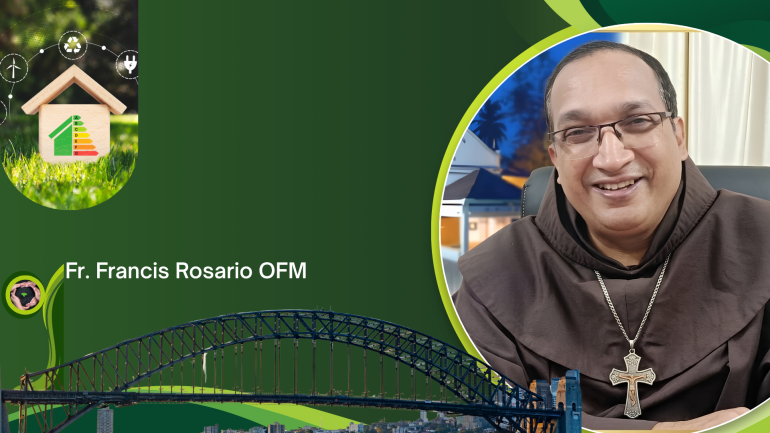
Fr. Francis Rosario OFM: Recover Gospel poverty
For Fr. Francis Rosario OFM, parish priest of St. Anne’s Church in Ponda, South Goa, the anniversary demands a serious examination of Franciscan life.
The Transitus “calls us to revisit the life of St. Francis, to re-read his teachings and live them authentically with all our heart, mind and soul.”
St. Francis sought “to live like Jesus, talk like Jesus, and feel like Jesus.”
Fr. Francis emphasized poverty of spirit, saying, “We are not living even ten percent of the life of St. Francis.”
He called Christians to examine their relationship with property, power, possessions and prestige, while proposing practical forms of sharing, including reducing disposable materials and offering “one handful of rice per day” to those in need.
The challenge, he said, is to embrace the “big P” poverty of spirit.
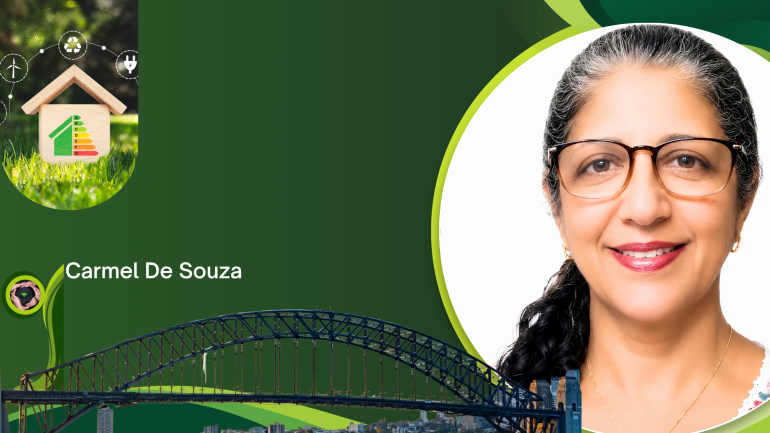
Carmel De Souza: The measure is lives touched
For Carmel De Souza, a member of the Secular Franciscan Order from Sangolda, North Goa, the question is whether Franciscan spirituality is actually being lived.
“It is not simply a historical commemoration,” she said. “It is an invitation to return to the heart of Franciscan spirituality.”
She emphasized the need to help young people encounter St. Francis through prayer, service and vocation discernment.
“The real test of Franciscan spirituality is not how many Franciscan institutions are there, but how many lives are touched by Franciscan love,” she said.
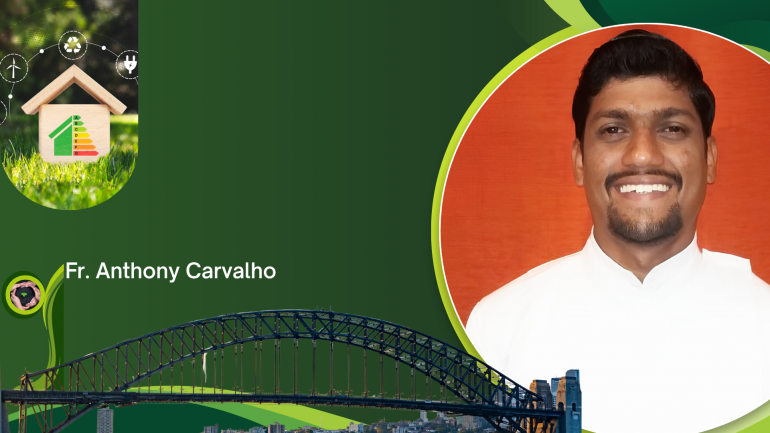
Fr. Anthony Carvalho: Ecological conversion
For Fr. Anthony Carvalho, convenor of the Diocesan Commission for Ecology, one of the most pressing Franciscan challenges is Goa’s relationship with creation.
“The spirituality of St. Francis of Assisi invites every Goan to embrace the environment as its own,” he said. “Only when we embrace creation as part of us will we step forward to take care of it.”
He called for cleanliness and plantation drives, reducing the use of non-biodegradable products, reusing materials, reducing dependence on fossil fuels and returning to cultivation of the land.
He expressed particular concern about “the unplanned development and destruction of forests and ecosystems.”
Drawing on Laudato Si’, he connected these concerns with ecological conversion, a transformation in humanity’s relationship with God, creation and one another.
Together, these reflections show how St. Francis continues to challenge the Church in Goa through fraternity, simplicity, reconciliation, service and care for creation. His 800th anniversary invites Christians to begin again with hope, build bridges rather than walls, serve others and live the Gospel with joy so that Christ’s peace and love become visible in the world.
Radio Veritas Asia (RVA), a media platform of the Catholic Church, aims to share Christ. RVA started in 1969 as a continental Catholic radio station to serve Asian countries in their respective local language, thus earning the tag “the Voice of Asian Christianity.” Responding to the emerging context, RVA embraced media platforms to connect with the global Asian audience via its 21 language websites and various social media platforms.
Latest News