




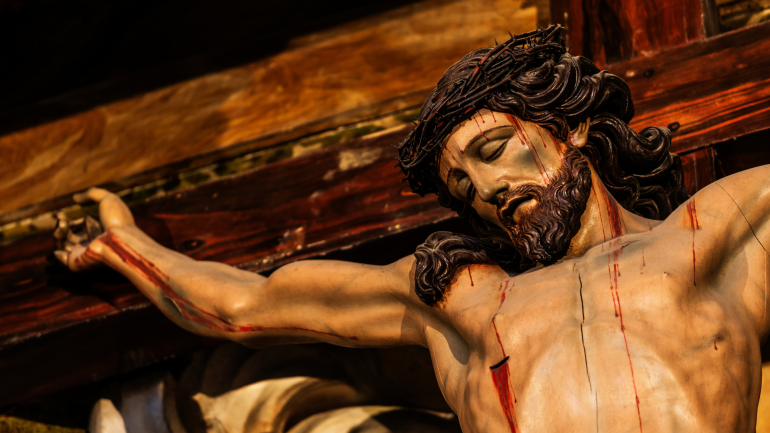
“Surely he has borne our griefs and carried our sorrows; yet we esteemed him stricken, smitten by God, and afflicted. But he was wounded for our transgressions, he was bruised for our iniquities; upon him was the chastisement that made us whole, and with his stripes we are healed. All we like sheep have gone astray; we have turned every one to his own way; and the Lord has laid on him the iniquity of us all.” (Isaiah 53:4–6)
Weight of Shame
As we stands before the cross, we are struck by the depth of Christ’s love. He bore the weight of human pain, shame, and failure, not as abstract notions, but as the palpable reality of sin in all its gravity. Scripture warns that “whatever is hidden will be revealed” (Luke 12:2), and yet, when sin is confessed and surrendered to Him, it is covered by the precious blood of Christ, which “cleanses us from all sin” (1 John 1:7). He took upon Himself the public defamation that rightly belonged to us, enduring the mockery, derision, and laughter of the crowd. In His vicarious suffering, Christ bore the full weight of human guilt, shielding believers from ultimate condemnation and clothing them in His righteousness (Isaiah 61:10).
Burden of Pain
The cross speaks not only to shame, but also to pain in all its forms. Christ bore the punishments humanity merited (past, present, and future) and in so doing entered the full burden of human frailty. The cross reminds believers that He has already carried the weight of uncertainty, impossibility, and daily failure. He entered the anguish of faltering relationships, unresolved struggles, and the quiet defeats that so often mark ordinary life. As the Suffering Servant, He bore not only shame but also the consequences of sin, securing peace through His suffering (Isaiah 53:5).
If Calvary signifies triumph over failure, then failure need not have the final word. The cross stands as a pledge that what appears irredeemable may yet be restored in God’s time. It teaches that despair does not end in defeat, but may, through grace, yield to hope.
Sign of Hope in Despair
In moments of doubt and distress, the cross becomes a sign of hope. It is not merely a symbol of suffering, but the revelation of divine love at work within human brokenness. What appears as defeat is transfigured by the promise of resurrection. Thus the cross becomes a source of assurance amid ambiguity, reminding believers that God’s purposes are often fulfilled through what the world counts as weakness.
In seasons of trial, therefore, the cross invites trust rather than fear. It offers a steady assurance that no pain is wasted, no shame is final, and no darkness is beyond the reach of grace. In that light, despair gives way to a chastened yet enduring confidence in God’s redemptive work.
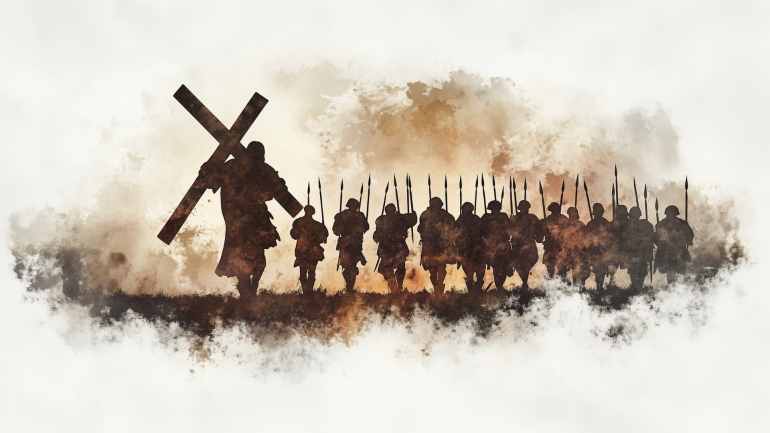
Judgement, Truth, and Reconciliation
The cross also opens towards the future, towards judgement, vindication, and reconciliation. On the final day, Christ will make all things clear. He will vindicate those who have been misunderstood or falsely judged, and He will reveal with perfect clarity the truth obscured by human limitation, wounded memory, and partial knowledge. Motives once concealed, actions once misread, and relationships fractured by misunderstanding will be seen in a fuller light.
This vision grants the believer hope for reconciliation, even where earthly bridges seem irreparably broken. There are estrangements that cannot be healed in this life, and wounds that remain beyond the reach of words. Yet the cross directs faith towards the God who sees all things truly and heals all things completely. In His mercy, what is now divided may one day be restored, and those who remain distant may yet be gathered into understanding and peace.
Living the Cross Today
To contemplate the cross is not only to receive comfort, but also to be transformed. Those who have been met by divine mercy are called to extend mercy in turn. To look upon the crucified Christ is to learn to regard others through His eyes: to carry forgiveness in the heart, to remain open to reconciliation, and to refuse to let injury have the final word.
Such living is neither easy nor sentimental. It requires patience, humility, and a grace that does not depend upon being understood or repaid in kind. Yet this is the way the cross shapes human character: shame is transfigured into dignity, pain into peace, and estrangement into the hope of communion. In this way, the cross reveals not only the depth of Christ’s suffering, but also the breadth of His redeeming love.
May our Heavenly Father, who sent Christ to bear our unbearable griefs, redeem our brokenness through His wounded love. By His stripes may we be healed. Amen.
Let us know how you feel!
Comments




- Reply
Permalink