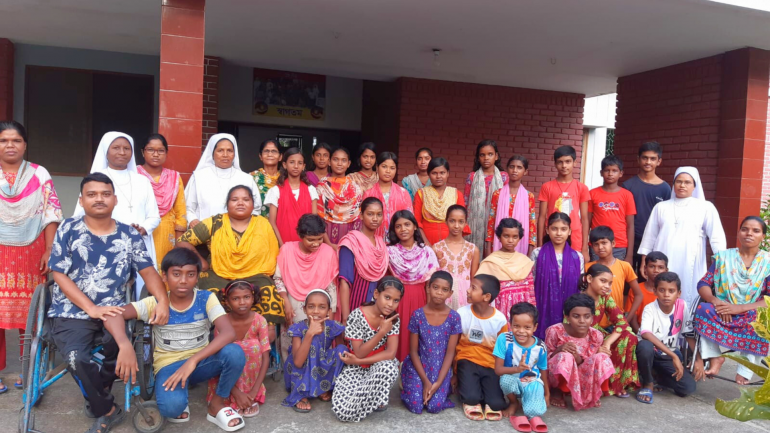
In a remote village in Bangladesh, six-year-old Shivajit’s world was dark, not just because he was visually impaired, but because there was no school for children like him. His parents worried about his future until they found Snehanir, a shelter for handicapped children run by the Catechist Sisters of the Immaculate Heart of Mary, Queen of Angels in Rajshahi, northwest Bangladesh.
Established in 1992 and funded by the Pontifical Institute for Foreign Mission, Snehanir became his second home. Today, Shivajit is in seventh grade, studying in the Braille language. When holidays come, he longs to return to Snehanir, saying, “When will I go back?”
Snehanir has transformed countless lives. Flora Murmu was born healthy but lost strength in her leg after an untreated sore at age three. Her father neglected her because of her disability. At six, Flora arrived at Snehanir, where she stayed for 12 years. She studied and worked. Today, she moves with crutches but lives with dignity and gratitude. “Snehanir made my life better,” she says, who recently married.
Robi Hasda’s story is equally inspiring. Born physically disabled, Robi relied on a wheelchair and faced rejection from schools in Rajshahi. The Sisters at Snehanir intervened, and one school finally admitted him. Robi went on to earn a master’s degree and a diploma in computer science. He now works part-time as an accountant at Snehanir and runs a computer shop in Rajshahi, offering typing services and online applications. “I have been living with the Sisters since I was very young. They made my life better. I am eternally grateful,” Robi told RVA. He dreams of marriage and advocates for disability rights, saying, “People only talk about us on Disability Day. The work that should be done to protect our rights is not happening.”
Niva Dhanwar, paralyzed by polio at 18 months, faced rejection at every step of her education. Her determination and merit earned her a place in school and later at Snehanir. Today, she teaches sign language there and receives a monthly honorarium. Niva voices a critical concern: “Infrastructure in our country is not built for the disabled. Wheelchair users and visually impaired people struggle to move around. I request that this matter be addressed. Quotas should also be kept for the disabled in schools and colleges.”
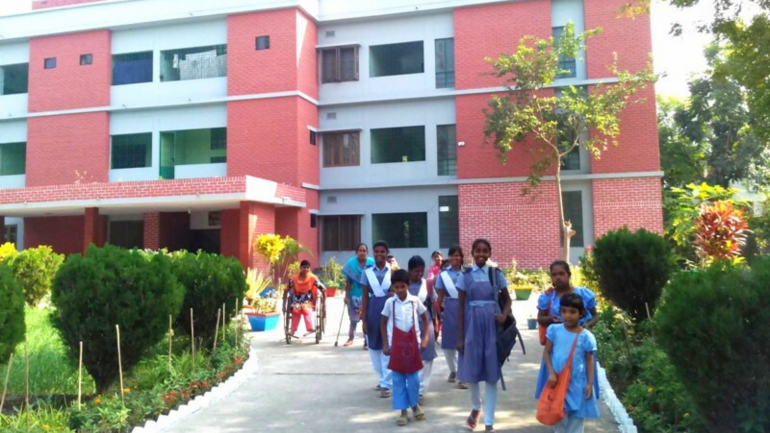
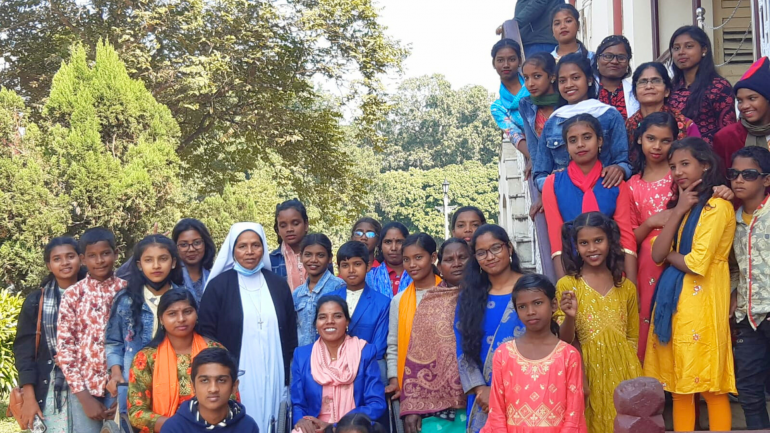
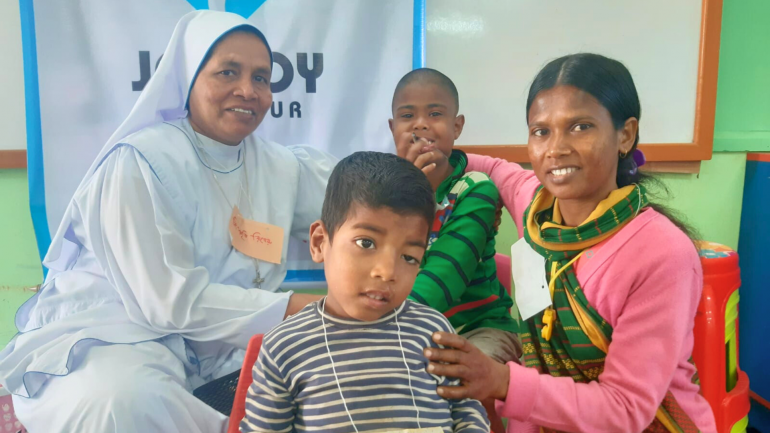
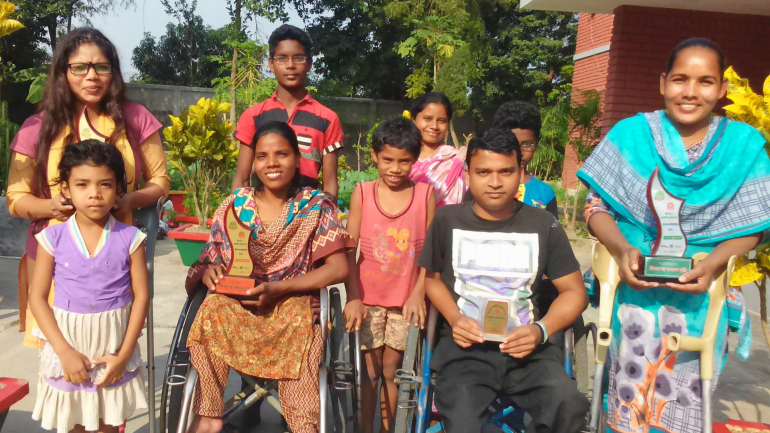
Sr. Smrity Rebeiro has been in charge of Snehanir since July 1, 2023. The center now shelters 35 individuals, 18 with physical or mental disabilities, and the rest are poor students who assist them. “I love serving here,” says Sr. Smrity. “We give everyone respect, honor, and love. When they receive our love, they say, ‘We don’t feel disabled.’” She stresses that families, society, and the state must adopt a more positive attitude toward persons with disabilities.
December 3 marks the International Day of Persons with Disabilities. The theme for 2025 is “Fostering Disability-Inclusive Societies for Advancing Social Progress,” highlighting the global commitment to creating inclusive communities and promoting equal opportunities for all.
The challenges are immense in Bangladesh. According to the National Survey of Persons with Disabilities (NSPD) by the Bangladesh Bureau of Statistics, 4.62 million people, 2.8% of the population, live with disabilities. Among them, 2.68 million are male and 1.93 million are female. Physical disability is the most common, affecting 1.35% of the population, followed by visual, hearing, speech, mental illness, intellectual, cerebral palsy, and autism.
Snehanir stands as a beacon of hope in a country where disability often means neglect and isolation. Through education, care, and empowerment, the sisters are rewriting stories of despair into narratives of resilience and dignity. As Disability Day approaches, their work reminds us that inclusion is not charity, it is justice.