Archdiocese of Jakarta: A Bridge-Building Church in Asia’s Largest Muslim-Majority Nation

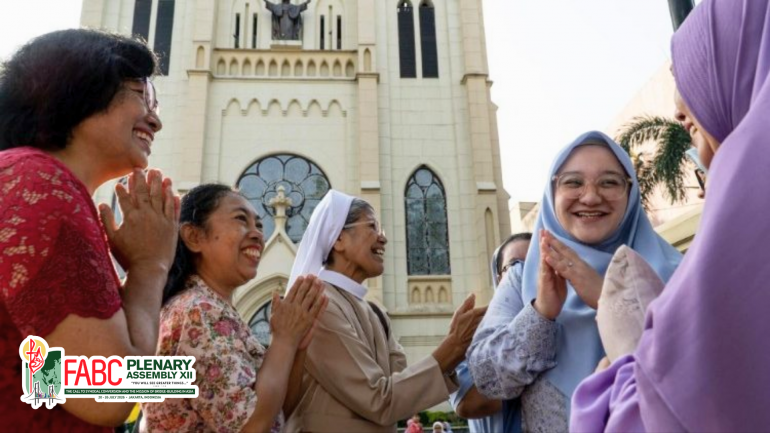
As Jakarta prepares to welcome the Twelfth Plenary Assembly of the Federation of Asian Bishops’ Conferences (FABC) from July 20–26, 2026, the Archdiocese of Jakarta stands as a significant witness to the Church’s mission of dialogue, communion, and bridge-building in Asia.
The Archdiocese of Jakarta is one of the most prominent Catholic dioceses in Asia. As the ecclesiastical center of the Catholic Church in Indonesia’s capital, it plays a significant role not only in the life of the local Church but also in promoting interreligious dialogue, social development, and nation-building in the world’s largest Muslim-majority country.
For more than two centuries, the Archdiocese has grown from a small missionary territory during the colonial era into a vibrant local Church committed to proclaiming the Gospel through dialogue, service, and solidarity.
The history of the Archdiocese began on May 8, 1807, when Pope Pius VII established the Apostolic Prefecture of Batavia to serve the Catholic community in the Dutch East Indies. As the Church expanded, the Holy See elevated Batavia to an Apostolic Vicariate on April 3, 1841. From this missionary center, numerous apostolic prefectures and vicariates were established, eventually becoming dioceses throughout Indonesia.
Religious congregations, particularly the Jesuits, played a crucial role in this growth by founding schools, hospitals, seminaries, and charitable institutions that continue to shape the Church’s mission today.
Following Indonesia’s independence, the local Church entered a new era. In 1950, the Apostolic Vicariate of Batavia was renamed the Apostolic Vicariate of Djakarta, reflecting the country’s new national identity. On January 3, 1961, Pope John XXIII elevated it to the Metropolitan Archdiocese of Jakarta, with the Dioceses of Bandung and Bogor as its suffragan sees. This marked the emergence of a mature Indonesian Church with increasingly strong local leadership.
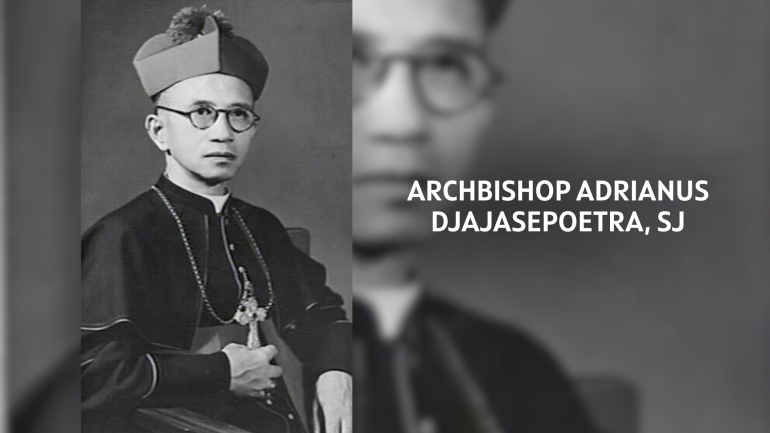
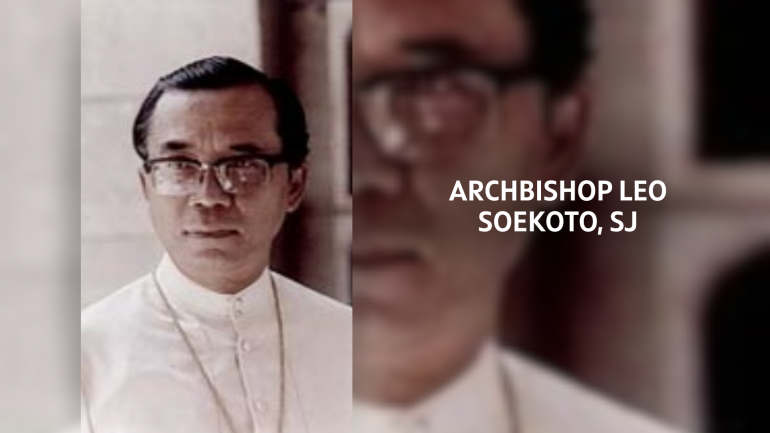
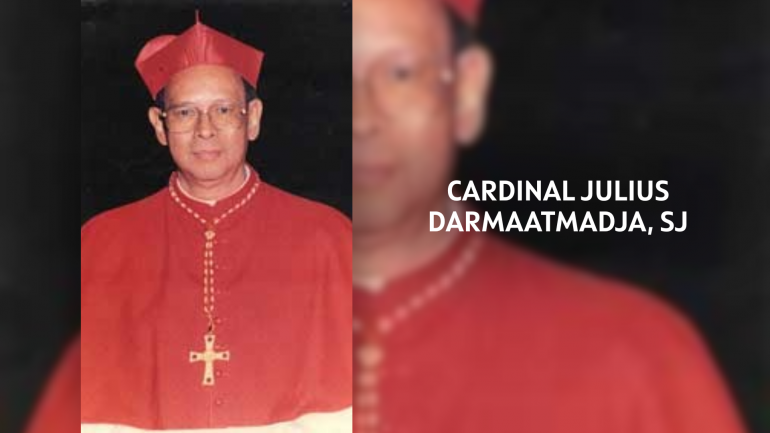
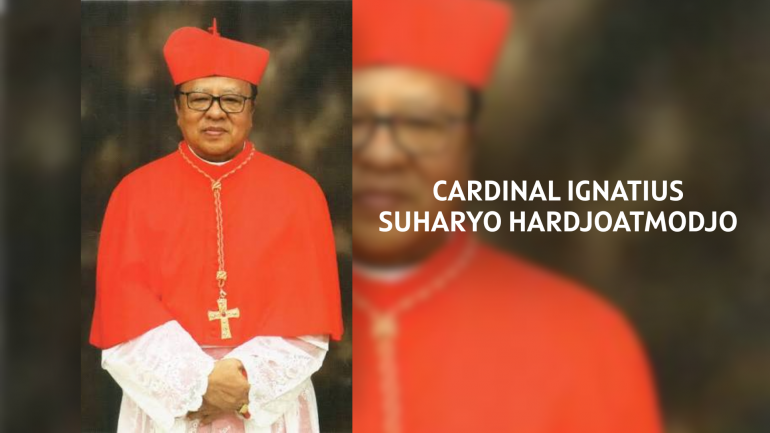
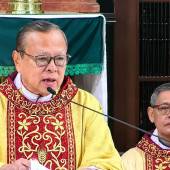
Over the decades, the Archdiocese has been guided by distinguished pastors, including Archbishop Adrianus Djajasepoetra, SJ, the first Indonesian Archbishop of Jakarta; Archbishop Leo Soekoto, SJ; Cardinal Julius Darmaatmadja, SJ; and Cardinal Ignatius Suharyo Hardjoatmodjo, the current archbishop. Under their leadership, the Archdiocese has strengthened its commitment to pastoral renewal, social engagement, and dialogue with people of different faiths and cultures.
Living in one of the world’s most religiously and culturally diverse societies, the Archdiocese of Jakarta regards dialogue as an essential dimension of its mission. Inspired by the Second Vatican Council and the vision of the Federation of Asian Bishops’ Conferences (FABC), the Archdiocese proclaims the Gospel by serving all people regardless of religion, ethnicity, or social background.
This commitment is reflected in its extensive ministries in education, healthcare, social services, humanitarian outreach, and community development.
Perhaps nowhere is this spirit more visible than in the relationship between Jakarta Cathedral and the Istiqlal Mosque, Indonesia’s national mosque. Standing opposite each other in the heart of the capital, these two iconic places of worship have become internationally recognized symbols of interreligious harmony. The Tunnel of Friendship (Terowongan Silaturahmi), connecting the cathedral and the mosque, represents the shared commitment of religious communities to peace, mutual respect, and cooperation.
The Archdiocese’s witness gained global attention during Pope Francis’ Apostolic Journey to Indonesia in September 2024. At Istiqlal Mosque, Pope Francis joined Muslim leaders in signing the Joint Declaration of Istiqlal 2024, reaffirming the shared responsibility of religions to foster peace, fraternity, and care for our common home. The event highlighted Jakarta as a model of constructive interreligious dialogue in Asia.
Today, the Archdiocese of Jakarta serves dozens of parishes across Jakarta, Bekasi, and Tangerang through the ministry of hundreds of priests, religious sisters and brothers, and thousands of committed lay leaders. Guided by the spirit of synodality, the Archdiocese continues to encourage active participation by all the faithful while strengthening its outreach to the poor, the marginalized, and those most in need.
This long experience of living and witnessing the Gospel in a pluralistic society makes Jakarta a fitting host for the Twelfth Plenary Assembly of the Federation of Asian Bishops’ Conferences (FABC), to be held from July 20–26, 2026. Under the theme, “Synodal Conversion and the Mission to Be Bridges and Bridge-Builders in Asia,” the assembly reflects the very mission the Archdiocese has embraced throughout its history: building bridges through dialogue, service, and fraternity.
In the heart of Indonesia’s diversity, the Archdiocese of Jakarta continues to witness that the Gospel is most powerfully proclaimed through openness, collaboration, and love in action.
Radio Veritas Asia (RVA), a media platform of the Catholic Church, aims to share Christ. RVA started in 1969 as a continental Catholic radio station to serve Asian countries in their respective local language, thus earning the tag “the Voice of Asian Christianity.” Responding to the emerging context, RVA embraced media platforms to connect with the global Asian audience via its 21 language websites and various social media platforms.
Latest News