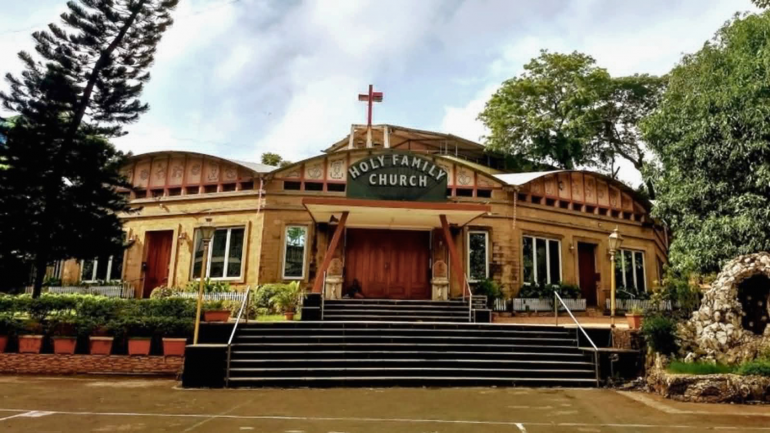
In the industrial district of Andheri East in Mumbai, western India, Holy Family Church, Chakala, has developed a sustained environmental programme that integrates ecological practices into parish life and operations.
The parish is part of the Archdiocese of Bombay and has implemented long-term initiatives focused on sustainability, waste management, and environmental awareness.
The parish ecological work has been shaped by parish leadership under Jesuit priest Fr. Gerard Rodrigues and coordinated through ECOPAL, the parish ecology ministry. Over the past 25 years, ECOPAL has promoted environmental practices through education, community participation, and structured programmes aimed at reducing environmental impact at the parish level.
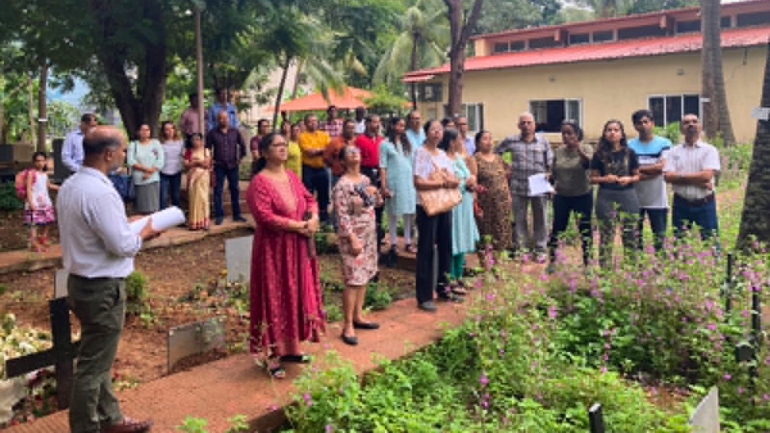
The parish campus includes a green zone with more than 150 trees representing over 40 species. Native tree planting continues as part of ongoing efforts to expand green cover. The trees are documented with QR-coded labels that provide information on species and ecological value, supporting environmental learning for parishioners and visitors.
According to Pramila Lewis, coordinator of the parish Eco Cell, the initiative links environmental responsibility with faith practice. She noted that ecological work within the parish is integrated into daily life and community participation.
The parish environmental approach reflects themes outlined in Pope Francis’ encyclical Laudato Si’, which calls for responsible stewardship of creation and a shift toward sustainable living practices within Christian communities.
Holy Family Church has implemented a range of sustainability measures across its campus. Solar panels supply a portion of the parish’s electricity needs. Rainwater harvesting systems are in place to support groundwater recharge and reduce dependency on municipal water sources.
The parish has also introduced green burial practices using biodegradable materials, offering an environmentally sensitive option for funerals that has been in place for more than a decade.
Waste reduction is a central component of the parish’s environmental programme. The campus operates as a “No Plastics Zone,” eliminating single-use plastic from parish events and functions. Reusable steel utensils are used in place of disposable items, and parishioners are encouraged to adopt similar practices at home.
A structured waste segregation system is in place. Organic waste is processed through vermicomposting and leaf composting units, producing manure used in parish gardens. The parish reports that more than 7.5 tonnes of dry waste have been diverted from landfills through recycling efforts.
Reuse initiatives form another part of the programme. A “White Elephant Stall” facilitates the exchange and reuse of clothing and household items. School uniforms and textbooks are also circulated through exchange initiatives to reduce waste and cost for families. Religious items that are no longer in use are respectfully reused or redistributed.
The parish has developed several community spaces that support environmental awareness and engagement, including a terrace garden, Ecozone, and outdoor areas used for reflection and education activities. These spaces are used for parish gatherings, environmental learning, and children’s activities.
Environmental education programmes are conducted regularly, including workshops, film screenings, awareness sessions, and activities such as kitchen gardening and blessings of animals. Children and youth groups participate in structured programmes designed to promote environmental responsibility.
Digital communication tools have replaced much of the parish’s printed material. Hymn sheets and notices are increasingly shared through digital platforms, and the use of printed banners has been reduced.
Holy Family Church continues to expand its environmental initiatives as part of its broader parish mission. Its programmes combine resource management, education, and community participation, reflecting an integrated approach to environmental responsibility within parish life.
Radio Veritas Asia (RVA), a media platform of the Catholic Church, aims to share Christ. RVA started in 1969 as a continental Catholic radio station to serve Asian countries in their respective local language, thus earning the tag “the Voice of Asian Christianity.” Responding to the emerging context, RVA embraced media platforms to connect with the global Asian audience via its 21 language websites and various social media platforms.
Latest News