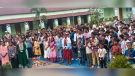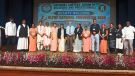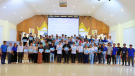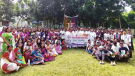
Missio Aachen, the Germany-based Catholic mission agency, reaffirmed its long-standing commitment to supporting the Church in Asia through partnerships rooted in trust, subsidiarity, and synodality during the 12th Plenary Assembly of the Federation of Asian Bishops' Conferences (FABC).
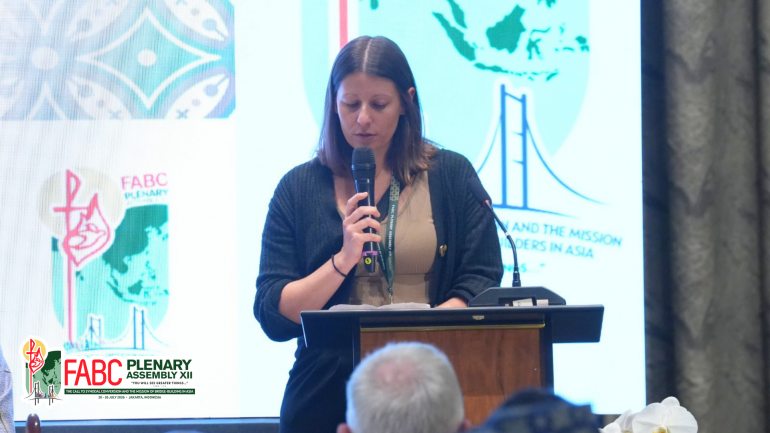
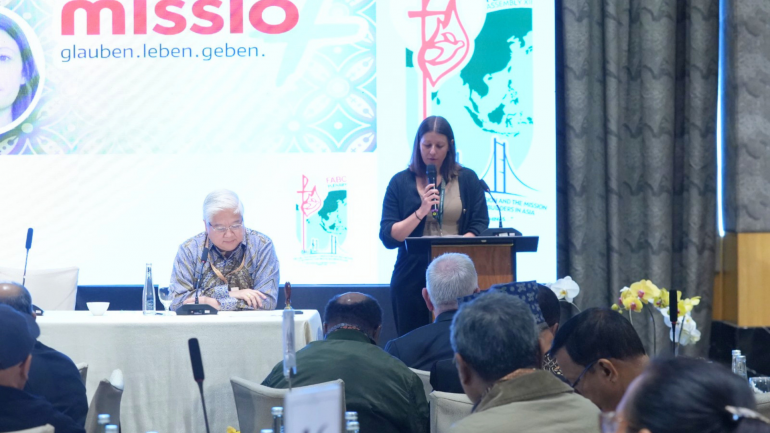
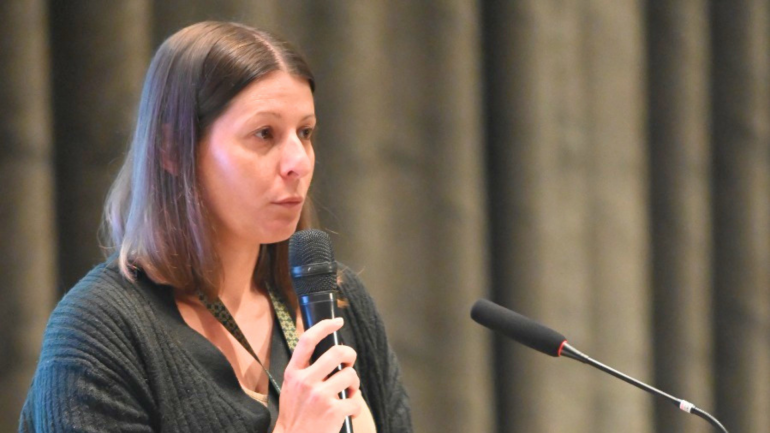
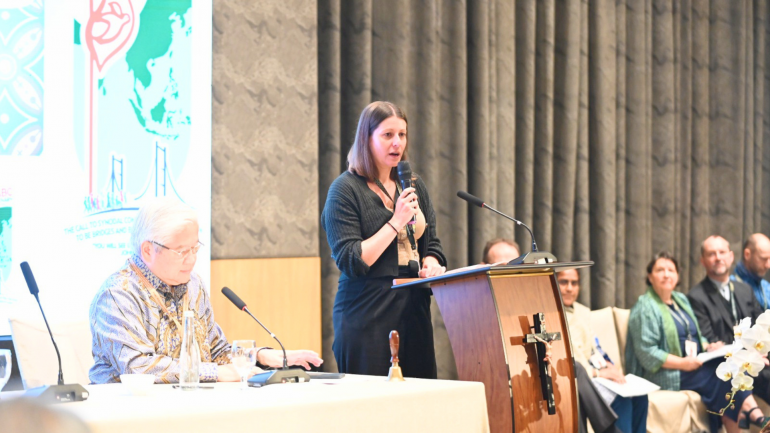
Addressing bishops, priests, religious, and Church leaders gathered at Hotel Mulia in Jakarta on July 23, Karina Struck, Officer for the Department for International Mission at Missio Aachen, said the Church's mission is strengthened when international partners work alongside, rather than above, local Churches.
"We look back with gratitude on the long journey of close and fruitful cooperation with the FABC. We sincerely thank you for the trust, commitment, and collaboration that have characterized our partnership over the years," Struck said.
Her remarks came during the week-long FABC Plenary Assembly, which has brought together Catholic leaders from across Asia under the theme, "The Call to Synodal Conversion and the Mission to Be Bridges and Bridge-Builders in Asia."
Struck emphasized that Missio Aachen's work depends on the witness and commitment of local Churches, whose bishops, priests, religious, and pastoral workers live alongside the people they serve.
"Your presence within local communities and your dedication to those most in need make you irreplaceable partners in bringing hope and dignity to so many people," she said.
She noted that the close relationship between local Churches and their communities enables pastoral and humanitarian initiatives to respond more effectively to people's real needs.
A key sign of this commitment, Struck said, is the establishment of Missio Aachen's regional office with the FABC in Bangkok, Thailand. The office reflects the principles of subsidiarity and synodality by giving greater responsibility to local Churches in shaping mission priorities and making decisions.
According to Struck, Missio Aachen has spent the past two years strengthening local structures by expanding the participation of Churches in Asia in policy discussions and the allocation of financial assistance.
This approach, she said, ensures that projects are designed in response to local realities rather than external priorities.
For Missio Aachen, the FABC Plenary Assembly also provides an important opportunity to hear directly from Church leaders across Asia about the opportunities and challenges facing their communities.
"This Plenary Assembly offers us a valuable opportunity to listen to your concerns, ideas, and hopes. We hope these discussions will strengthen our shared vision and deepen cooperation among dioceses and Church institutions," she said.
Struck concluded by assuring participants that Missio Aachen and its network of donors will continue to accompany the FABC in its mission across Asia through prayer, financial support, and ongoing collaboration.
Her address underscored a key theme emerging from the assembly: the Church's synodal mission is strengthened when international partners empower local Churches to lead according to their own pastoral realities.
Founded in Aachen, Germany, Missio Aachen is one of the Vatican-recognized Pontifical Mission Societies' major partner organizations. It supports pastoral formation, evangelization, humanitarian initiatives, and Church development projects, particularly in Africa, Asia, and Oceania, while promoting partnerships based on solidarity and mutual responsibility rather than dependency.
Radio Veritas Asia (RVA), a media platform of the Catholic Church, aims to share Christ. RVA started in 1969 as a continental Catholic radio station to serve Asian countries in their respective local language, thus earning the tag “the Voice of Asian Christianity.” Responding to the emerging context, RVA embraced media platforms to connect with the global Asian audience via its 21 language websites and various social media platforms.
Latest News