The Catholic Church in Northeast India has been urged to become a “living bridge” of communion, peace and reconciliation while journeying with Indigenous communities in the region.
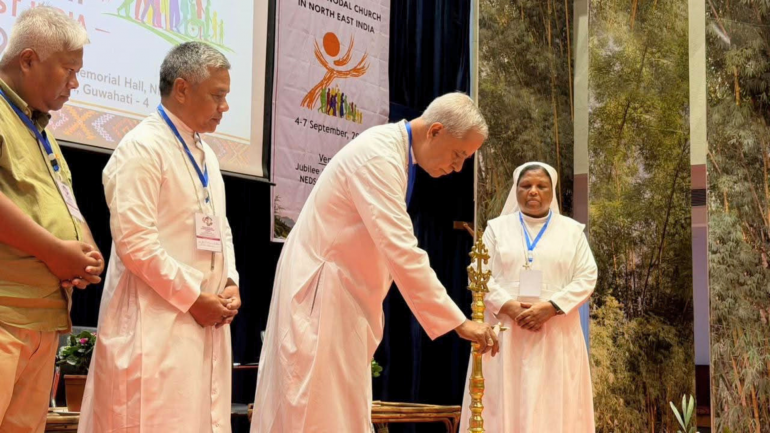
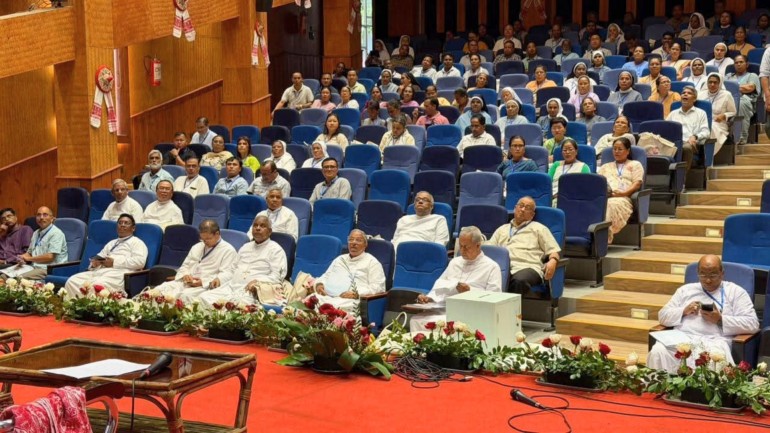
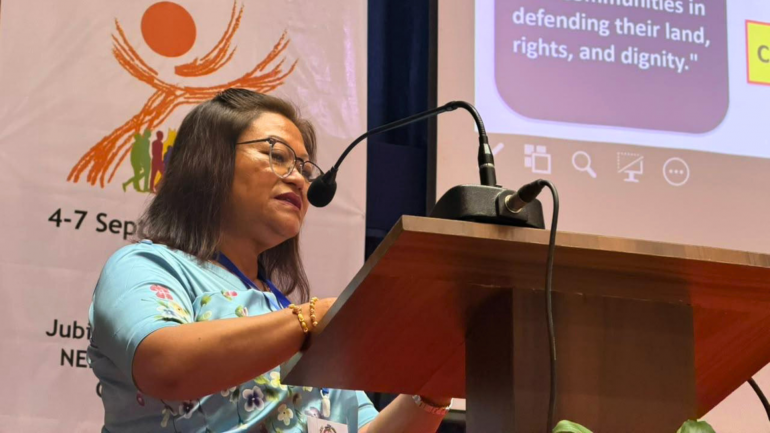
The call came during the North East India Regional Pastoral Conference 2026, held on September 4–7 at the North East Diocesan Social Service Society (NEDSSS) in Kharghuli, Guwahati, the capital of Assam in northeastern India.
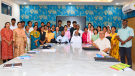
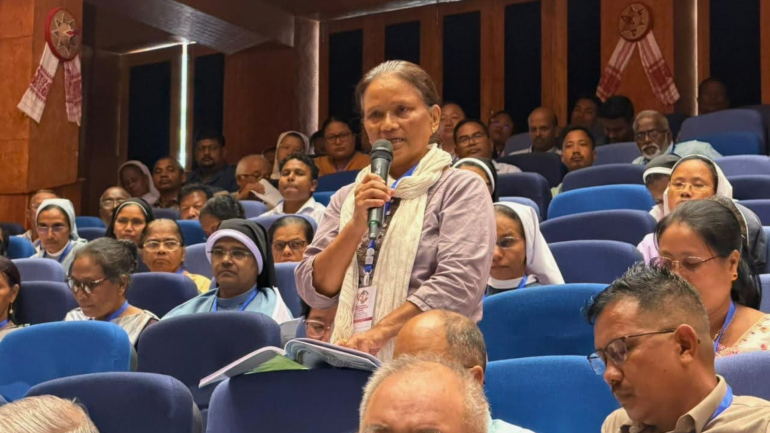
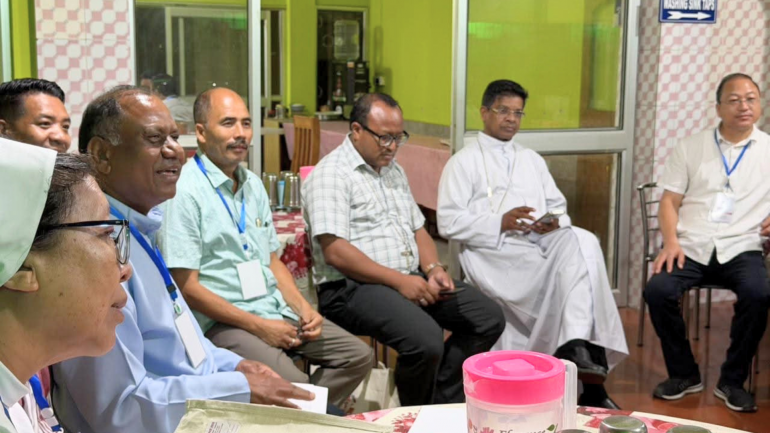
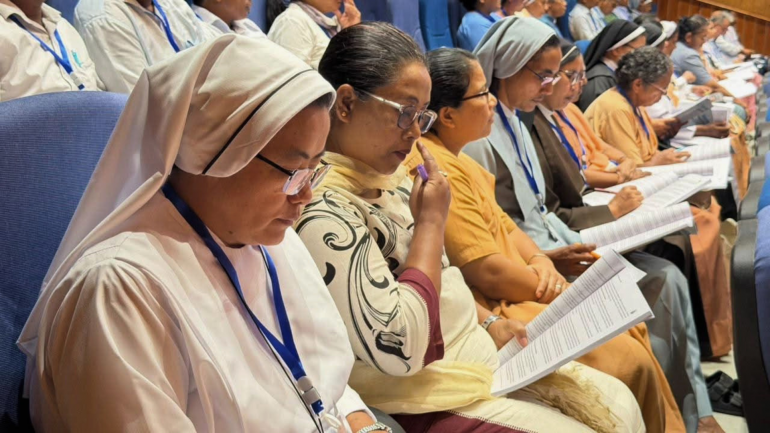
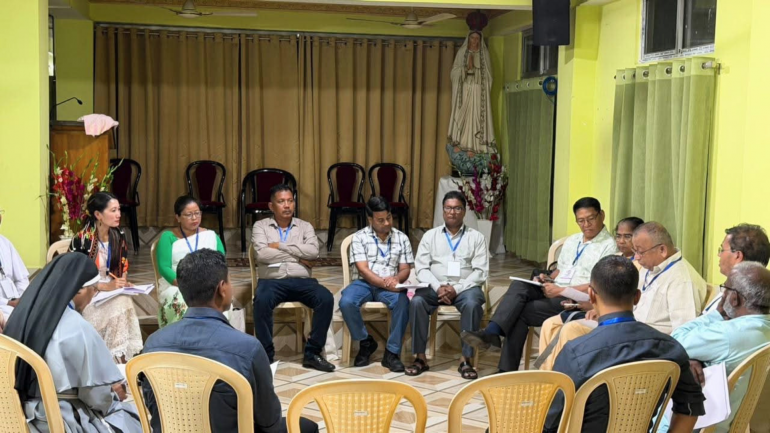
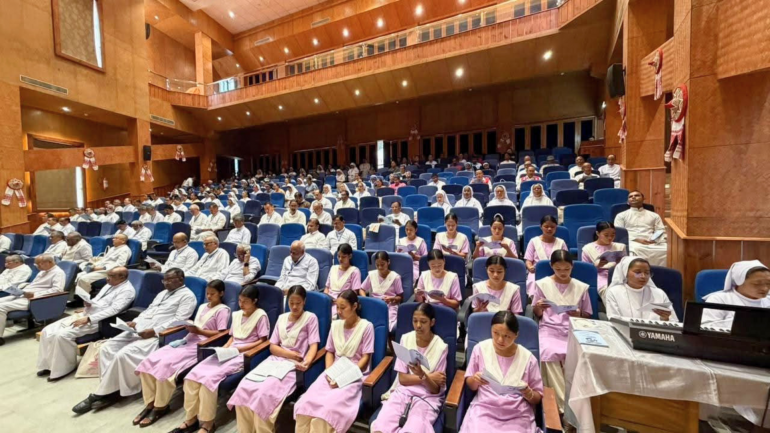
The four-day conference brought together 282 participants, including 15 bishops and three auxiliary bishops, as well as clergy, religious, lay leaders and pastoral representatives from across the region.
With the theme “Journeying with Indigenous People of God in the Synodal Church in Northeast India,” the conference is examining synodality in the context of Indigenous identity, culture, ecology and the mission of the Church.
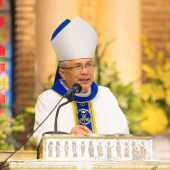
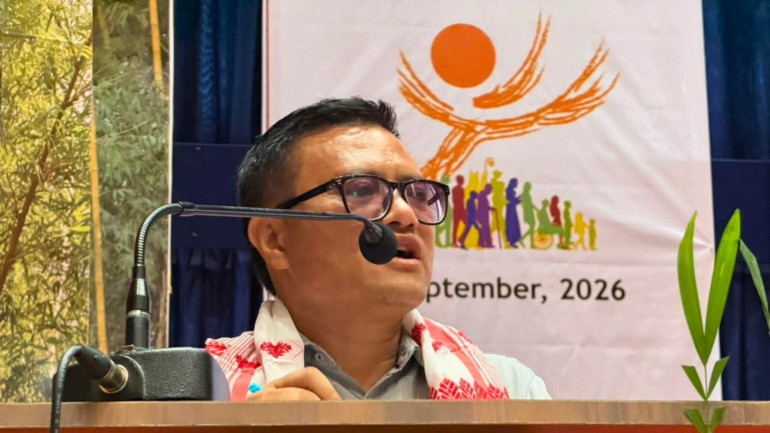
In his address, Archbishop Linus Neli of Imphal called the Church to become “living bridges” of communion, peace and reconciliation.
Reflecting on the famous living root bridges of Meghalaya, formed over decades by guiding the roots of trees across streams and valleys, Archbishop Neli described synodality as a patient process that grows through participation, mutual care and perseverance.
He said the Church’s synodal journey must respond to the complex realities facing Northeast India, including ethnic tensions, displacement, land disputes, migration and social divisions.
The region, which borders Bhutan, Bangladesh, Myanmar and China, is home to numerous Indigenous communities with distinct languages, cultures and traditions. Archbishop Neli stressed that these communities should not be treated merely as recipients of pastoral care but as active participants in the life and mission of the Church.
He called for greater respect for Indigenous cultures, languages, traditions and spiritual wisdom, emphasizing that these are important resources for building stronger communities and promoting reconciliation.
Drawing on Pope Francis’ encyclical Laudato Si’ and apostolic exhortation Querida Amazonia, Archbishop Neli described Indigenous communities as “teachers of community, sustainability and harmony with creation.”
He also emphasized the close relationship between land and Indigenous identity, history and inheritance.
Development, he said, should respect community rights while maintaining ecological balance, particularly in a region where forests, rivers and traditional lands are closely connected to the lives and livelihoods of local communities.
The continuing crisis in Manipur was highlighted as a critical test of the Church’s commitment to synodality.
Archbishop Neli urged the Church to listen to all communities, resist ethnic polarization and strengthen the formation of educated lay leaders capable of contributing to reconciliation, social engagement and peacebuilding.
Bishop George Pallipparambil of Miao described the gathering as “a shared reflection on tribal identity in relation to the Christian faith.” He said the conference seeks to raise awareness among communities facing the growing influence of money and negative propaganda.
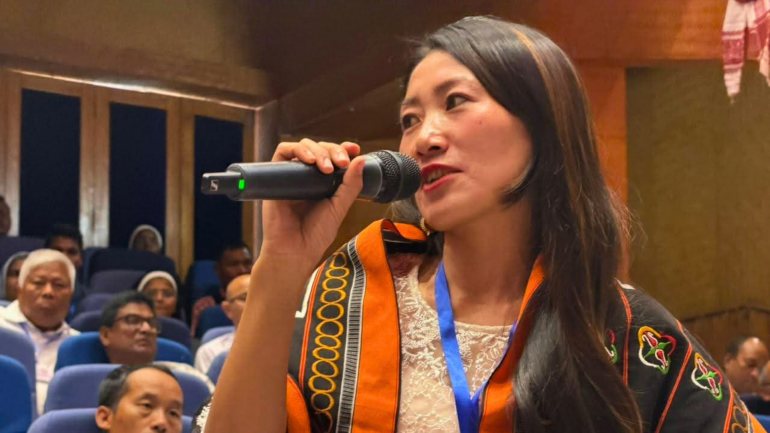
Participants also welcomed the strong involvement of lay Catholics.
“The lay active participation was impressive,” said Sr. Clara BS, Bethany Provincial.
John Shilsi, an Indian Police Service officer, described the conference as “a good start,” adding, “We can go far ahead as we go on.”
Archbishop John Moolachira of Guwahati also welcomed the theme and approach of the gathering.
“Every pastoral conference has its theme. This conference with a relevant topic was a good start into a new thinking,” he said.
The conference reflects the Catholic Church’s wider effort to implement the spirit of synodality across Asia by strengthening participation, dialogue and shared responsibility among bishops, clergy, religious and lay faithful.
For the Church in Northeast India, the gathering calls for a pastoral approach rooted in Indigenous heritage and guided by the Gospel, with a renewed commitment to reconciliation, justice, fraternity and care for creation.
Radio Veritas Asia (RVA), a media platform of the Catholic Church, aims to share Christ. RVA started in 1969 as a continental Catholic radio station to serve Asian countries in their respective local language, thus earning the tag “the Voice of Asian Christianity.” Responding to the emerging context, RVA embraced media platforms to connect with the global Asian audience via its 21 language websites and various social media platforms.
Latest News