

Philippine Diocese Calls on Parishes to Eliminate Tarpaulins and Single-Use Plastics

The Diocese of Imus is urging parishes, schools, and Catholic institutions across Cavite province, southern Philippines, to reduce plastic waste by avoiding tarpaulins, disposable utensils, and non-biodegradable decorations.
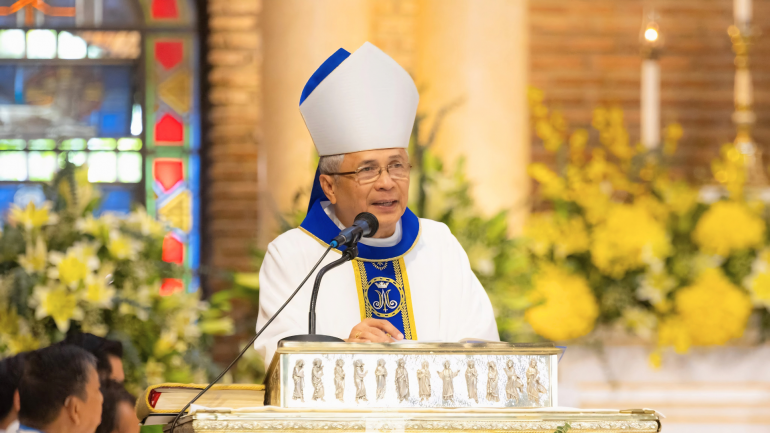
In a circular issued October 14, Bishop Reynaldo Evangelista called for wider participation in the diocese’s campaign to become a “Zero-Waste Church,” according to CBCP News.
The circular discourages the use of tarpaulins in favor of reusable cloth banners and urges Church communities to avoid disposable plastic utensils, single-use food containers, and plastic banderitas, or decorative pennants.
“We have to work together to make a significant impact in reducing plastic waste in our Local Church of Cavite,” Bishop Evangelista said.
The initiative calls on parish councils, Church organizations, schools, youth groups, and basic ecclesial communities to adopt sustainable practices. The diocese also encouraged cooperation with local governments and civic groups.
The circular said care for creation should become part of Catholics’ daily habits, faith formation, and pastoral activities.
In an endorsement released September 25, Evangelista reaffirmed the diocese’s commitment to the zero-waste campaign, citing its 2019 circular on the Church’s responsibility to care for creation.
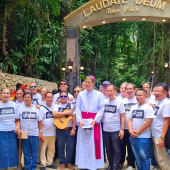
The initiative draws inspiration from Pope Francis’ encyclical Laudato Si’, which connects environmental protection with care for people, particularly the poor and future generations.
“Ecological conversion is not simply a diocesan program but a transformation of our habits and values so that what seems waste for others becomes a source of new life through our responsible stewardship,” Bishop Evangelista said.
Radio Veritas Asia (RVA), a media platform of the Catholic Church, aims to share Christ. RVA started in 1969 as a continental Catholic radio station to serve Asian countries in their respective local language, thus earning the tag “the Voice of Asian Christianity.” Responding to the emerging context, RVA embraced media platforms to connect with the global Asian audience via its 21 language websites and various social media platforms.
Latest News