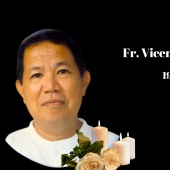



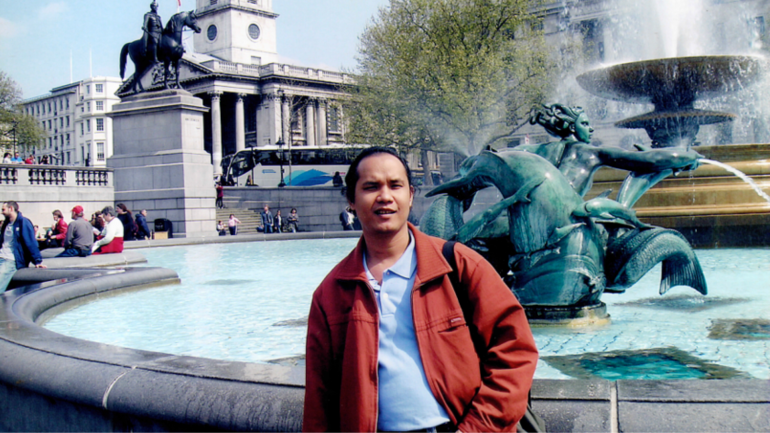
Renato Zosimo “Zosing” Evangelista, 52, the first and only lawyer from the Mangyan Indigenous peoples of Mindoro, an island in the central Philippines, died on April 14 after suffering a stroke.
For many among the Mangyan, long pushed to the margins and often associated with poverty and limited access to education, Evangelista’s life stands as evidence that opportunity can reshape life paths, and that faith, perseverance, and service can uplift an entire community.
“He showed us what we can become,” a Mangyan elder said, a sentiment widely echoed across upland communities following his passing.
A life shaped by loss and perseverance
Born into a Hanunuo Mangyan family, Evangelista’s early life was marked by hardship. He lost his mother at 14 and spent much of his youth moving between relatives in the upland areas of Bulalacao and Mansalay in Mindoro.
Life in the mountains meant long walks to school, carrying bananas down steep trails for small earnings, and studying under difficult conditions that forced many to abandon education. Yet these early struggles also shaped his discipline and determination.
“God gave me good people around to help me reach my goals in life,” Evangelista once said in an interview.
He often spoke of mentors such as Casimira Villegas, a Mangyan formation worker and educator associated with the Mount Tabor Mangyan Formation Center in Mindoro.
Professor Emy Mandia of De La Salle University recalled Evangelista as “Casimira Villegas’ little boy who could play the piano at a very young age… truly a gifted person, the first Mangyan lawyer, and a champion of many legal advocacies, especially for indigenous peoples and the environment of Mindoro.”
Childhood memories marked by friendship
Former classmates at the SSPS-run Holy Infant Academy in Calapan City, Oriental Mindoro, said Evangelista was never bullied, noting that such behavior would not have been tolerated by the school’s nuns.
Instead, they recalled a childhood marked by friendship and curiosity.
Christian Alberto, a classmate, said: “He would bring me to where they were staying in Mt. Tabor and tell me stories about what was happening there… I would often bring him to our house in Ilaya so he could play the piano… then we would eat together, and he would share stories about their tribe.”
Julius Pastrana remembered: “He loved action movies.”
These recollections reflect a young man who moved easily between communities while maintaining pride in his cultural roots.
Breaking barriers in Manila
Evangelista’s life changed when he received a scholarship from a Dutch foundation, allowing him to study in Manila.
There, he encountered prejudice against Indigenous identity.
“It hurts, but what can I do?” he once said of discrimination.
Rather than withdraw, he excelled.
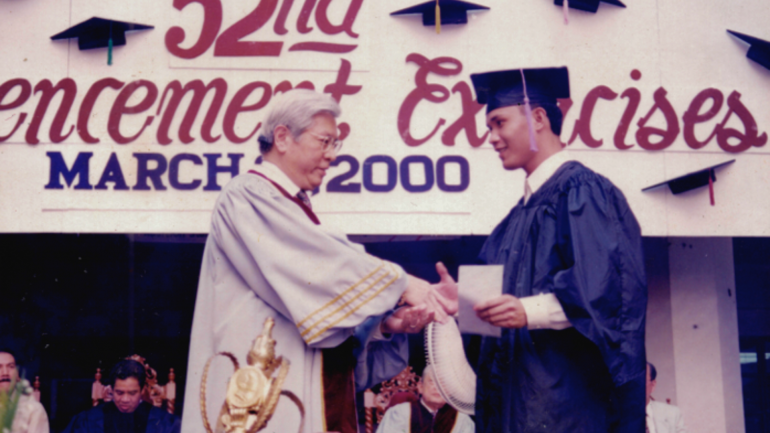
At Manuel L. Quezon University, he became a student leader, serving as class president, student council member, and writer. He graduated among the top of his class before pursuing law, where he earned distinction in commercial law.
He later joined the Roco, Kapunan, Migallos, Perez and Luna Law Offices, earning respect in one of the country’s leading legal circles.
Despite professional success, he remained anchored to his roots.
“I am just getting experience,” he said. “I want to go back home and serve my people.”
Return to Mindoro and advocacy work
True to his word, Evangelista returned to Oriental Mindoro.
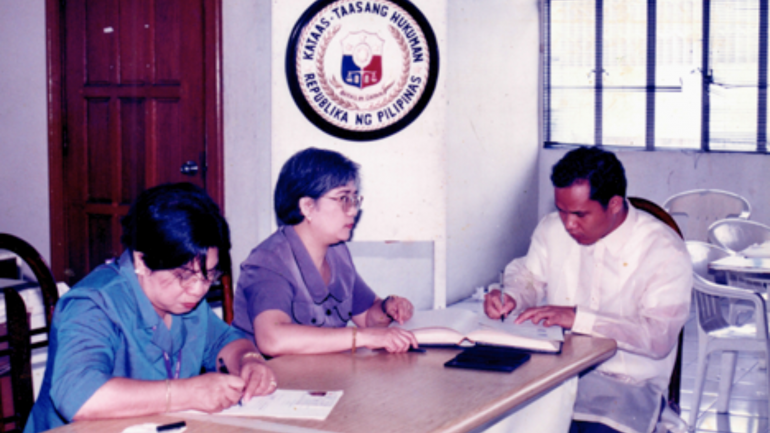
He served as provincial legal officer before establishing his own practice, eventually becoming managing partner of Crisologo, Evangelista and Associates.
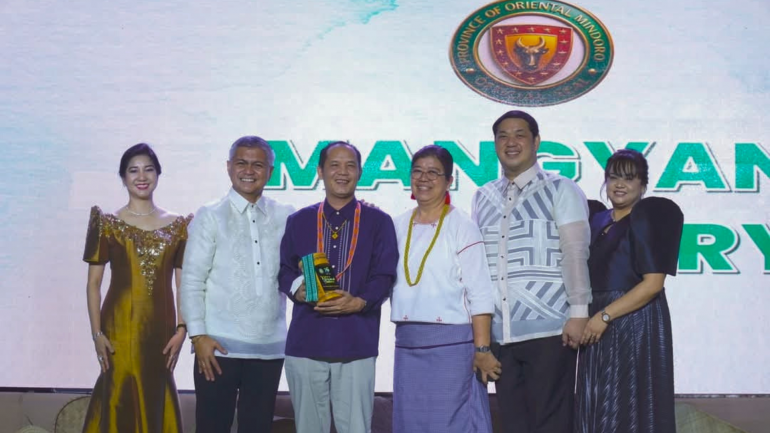
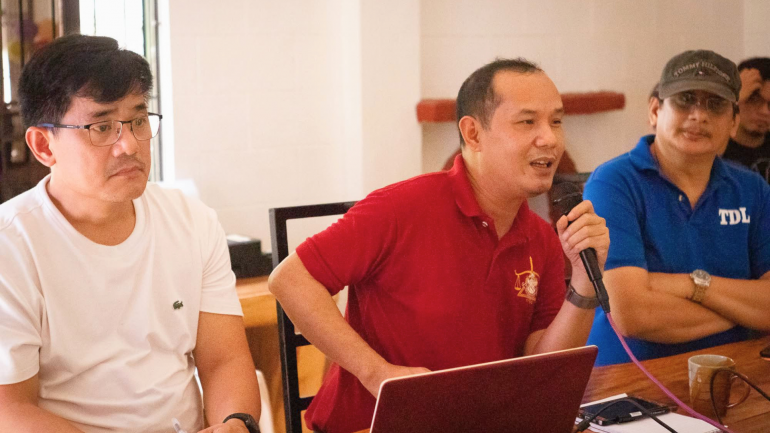
His legal work focused heavily on land rights and ancestral domain protection. He opposed mining projects affecting Mangyan territories and helped organize Indigenous communities in defense of their land.
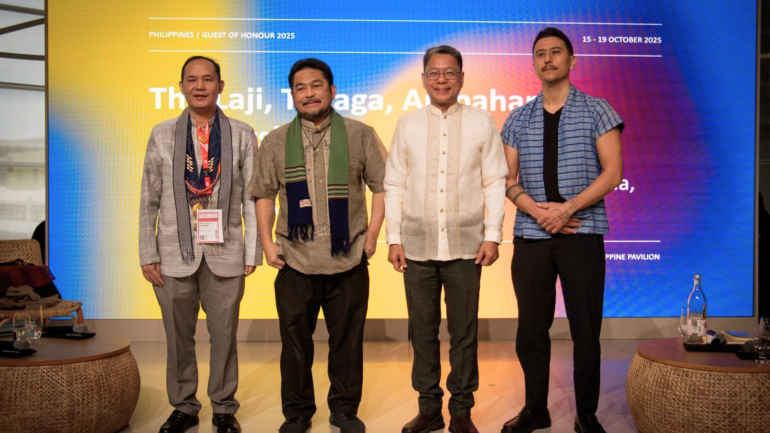
He also served as president of the Mangyan Heritage Center, promoting Indigenous culture internationally, including participation in a book fair in Frankfurt, Germany.
In 2004, he received the British Chevening Scholarship and completed a Master of Laws degree at the University of Essex. His research on Indigenous intellectual property rights was recognized for distinction.
Despite international recognition, he remained focused on service.
“I just want to be known as a person with a cause,” he once said. “It feels good.”
A father remembered
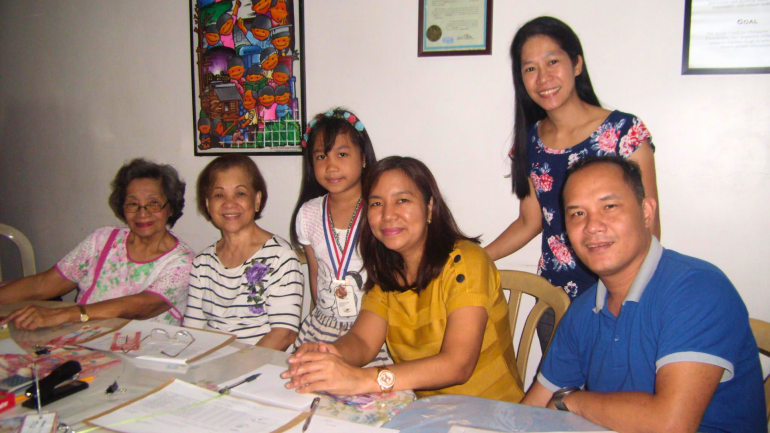
Beyond his public life, Evangelista was remembered by his children for his quiet presence at home.
His daughter Angelique and son Philip shared:
“On Sundays, we’d often wake up to the sound of him playing the piano. It was his way of relaxing after the days he’d spent working in the office.”
They added:
“Our dad would constantly tell us stories of his life growing up in Mindoro. He had a difficult upbringing, and he strived to ensure that others would not experience the same struggles that he did. He is truly a self-made, talented man, and we couldn’t be any more proud of him.”
Legacy in the mountains
For the Mangyan, Evangelista was more than a lawyer. He was a bridge between tradition and modern legal systems, between exclusion and representation.
Fr. Gabby Oybad, a Mangyan priest, said:
“We, the Mangyans from eight tribes, lost a good friend, a brother, and a lawyer. We pray for the repose of his soul. We are one with his bereaved family in sadness and in prayer. Life has to go on.”
Final farewell
Wake services are being held at Loyola Commonwealth Chapels & Cremation Services in Quezon City, with viewing from April 16 to 18 at Mercy B Chapel.
Cremation is scheduled for April 19, with funeral Masses to follow.
He is survived by his wife, Helen, and their children, Philip and Angelique.
Radio Veritas Asia (RVA), a media platform of the Catholic Church, aims to share Christ. RVA started in 1969 as a continental Catholic radio station to serve Asian countries in their respective local language, thus earning the tag “the Voice of Asian Christianity.” Responding to the emerging context, RVA embraced media platforms to connect with the global Asian audience via its 21 language websites and various social media platforms.
Latest News