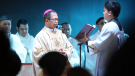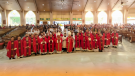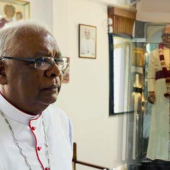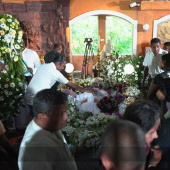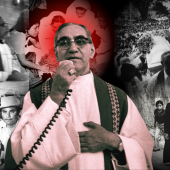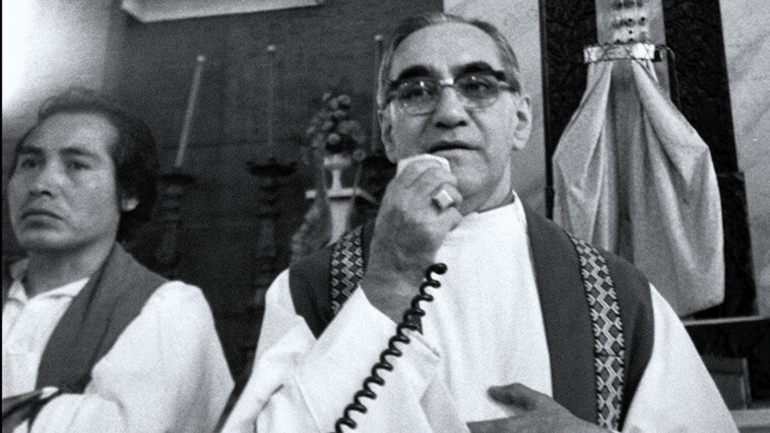
On March 24, 1980, Archbishop Óscar Romero stood at the altar of a small hospital chapel in San Salvador, celebrating Mass. As he raised the chalice during the Eucharistic prayer, a gunshot rang out. The bullet struck him in the chest, and he collapsed beside the altar. He had spent the previous day pleading with soldiers to stop killing civilians. Moments later, the archbishop who had become the voice of El Salvador’s poor lay dying.
More than four decades after his assassination, he remains one of the most compelling examples of a pastor who refused to remain silent in the face of injustice. At a time when violence, political polarization and human rights concerns continue to trouble many societies, including the Philippines, his witness challenges the Church to stand with the poor, defend human dignity and speak truth to power, even when doing so carries great personal risk.
Archbishop Romero did not begin his ministry as a political figure. When he was appointed archbishop of San Salvador in 1977, many regarded him as cautious and conservative. But the killing of his close friend, Jesuit priest Rutilio Grande, by government-linked forces later that year deeply shook him. Grande had been working with poor farmers and advocating for their rights. His death forced Romero to confront the violence and injustice unfolding across the country.
From that moment on, the archbishop began using his pulpit to denounce abuses, defend the poor and demand accountability from those in power. Each Sunday, his homilies were broadcast on radio across El Salvador. What began as sermons soon became something more: a public record of suffering. He read the names of the disappeared, described attacks on villages and called on soldiers to refuse orders that violated human dignity. For many Salvadorans, the archbishop’s voice became the only place where their pain and fears were openly acknowledged.
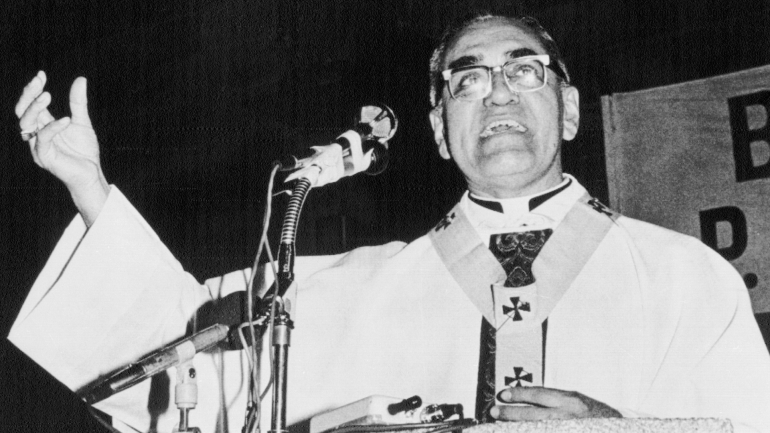
On the day before he was killed, he delivered what would become one of the most remembered homilies of his life. Speaking directly to members of the armed forces, he appealed to their conscience. “In the name of God,” he said, “in the name of these suffering people whose cries rise to heaven each day, I beg you, I implore you, I order you: stop the repression.” It was an extraordinary moment in which a pastor confronted the machinery of violence not with weapons, but with moral authority.
Less than twenty-four hours later, the archbishop was celebrating Mass in the chapel of a cancer hospital in San Salvador. As he spoke about the sacrifice of Christ and the hope of eternal life, a gunman fired a single shot from the chapel entrance. The bullet struck him in the chest, and he collapsed beside the altar.
In 2018, the Church formally recognized the witness of Archbishop Óscar Romero when Pope Francis canonized him as a saint. The declaration affirmed what many believers in El Salvador had long proclaimed, that he died as a martyr for the faith, killed because he defended the poor and denounced injustice. By elevating him to sainthood, the Church presented him not only as a national hero of El Salvador but as a universal model of pastoral courage and fidelity to the Gospel.
Archbishop Romero’s witness also resonates in places like the Philippines, where debates about human rights, political power and the Church’s public voice continue to surface. His life reminds Christians that faith cannot remain indifferent when human dignity is threatened.
The bullet that killed him was meant to silence him. Instead, it amplified his message. Today, his life stands as a lasting reminder that faith cannot be separated from the defense of human dignity. In a world where power often overwhelms the weak, Archbishop Romero’s witness continues to echo, a call for courage, conscience and a Church willing to stand with the poor.
Radio Veritas Asia (RVA), a media platform of the Catholic Church, aims to share Christ. RVA started in 1969 as a continental Catholic radio station to serve Asian countries in their respective local language, thus earning the tag “the Voice of Asian Christianity.” Responding to the emerging context, RVA embraced media platforms to connect with the global Asian audience via its 21 language websites and various social media platforms.
Latest News