Reflection Date: March 10, 2026 | Tuesday of the Third Week of Lent
Daily Readings: Daniel 3:25, 34-43, 16-20; Matthew 18:21-35
Children of God:
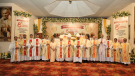
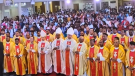
On Easter morning in 2019, Sri Lanka woke up not to the joy of resurrection but to horror.
Coordinated bomb attacks struck three churches and three hotels. Two hundred seventy-nine people were killed, including forty-five foreigners.
More than five hundred others were wounded.
Families who had gathered to celebrate the risen Christ suddenly found themselves in chaos and bloodshed.
The images shocked the world. Churches that proclaimed “Alleluia” became places of mourning.
Survivors carried not only physical wounds but deep emotional scars.
Yet in the days that followed, many Christian leaders publicly spoke of forgiveness instead of revenge.
In the face of terror, they chose the language of mercy.
That was on Easter of 2019.
In the gospel of Matthew, Peter had approached Jesus with a question about limits. “Lord, if my brother sins against me, how often must I forgive? As many as seven times?”
Jesus had answered, “I say to you, not seven times but seventy-seven times.”
He then told a parable of a servant forgiven an enormous debt who later refused to forgive a fellow servant a small amount.
The master, hearing of this, had handed him over because he had not shown mercy as he had received mercy.
The story had revealed the gap between receiving forgiveness and giving it.
What are our inspirations for today?
First, Forgiven people forgive people.
In the parable, the servant had been forgiven a debt so large he could never repay it.
The mercy he received was overwhelming and undeserved. Yet he walked out unchanged in heart.
He forgot the mercy that had just saved him. He remembered the offense but forgot the grace.
Today we remember how much God has forgiven us. We carry sins, failures, and weaknesses that God continually lifts from our shoulders.
When we truly grasp that mercy, we begin to soften toward others.
Forgiveness becomes not a burden but a reflection of gratitude.
Second, Mercy breaks the cycle of violence.
The natural reaction to deep hurt is retaliation.
The pain of Sri Lanka in 2019 could have fueled endless revenge. Yet many voices in the Church called for prayer and forgiveness instead of hatred.
Jesus had warned that refusing mercy hardens the heart and traps us in our own prison.
Unforgiveness binds us to the offender.
Mercy, however, releases both the wounded and the wounder into God’s justice.
Now we are invited to choose mercy even when it feels costly.
Forgiveness does not deny justice, but it refuses to let hatred rule the soul.
When we forgive, we break a chain that could otherwise pass from one generation to another.
As we reflect, we ask ourselves:
Who in my life do I still hold in the prison of resentment? Have I truly allowed God’s forgiveness to change the way I treat others?
Children of God:
Forgiveness is never easy, especially when wounds run deep.
The parable that Jesus told was not sentimental but demanding.
Yet it also revealed that mercy is possible even in the darkest hour.
We have been forgiven more than we can measure.
Lent invites us to examine not only our sins but also our grudges.
When we release others, we ourselves become free.
When we choose mercy, we resemble the Father who first showed mercy to us.
May our lives preach forgiveness louder than feelings of anger.
Radio Veritas Asia (RVA), a media platform of the Catholic Church, aims to share Christ. RVA started in 1969 as a continental Catholic radio station to serve Asian countries in their respective local language, thus earning the tag “the Voice of Asian Christianity.” Responding to the emerging context, RVA embraced media platforms to connect with the global Asian audience via its 21 language websites and various social media platforms.
Latest News