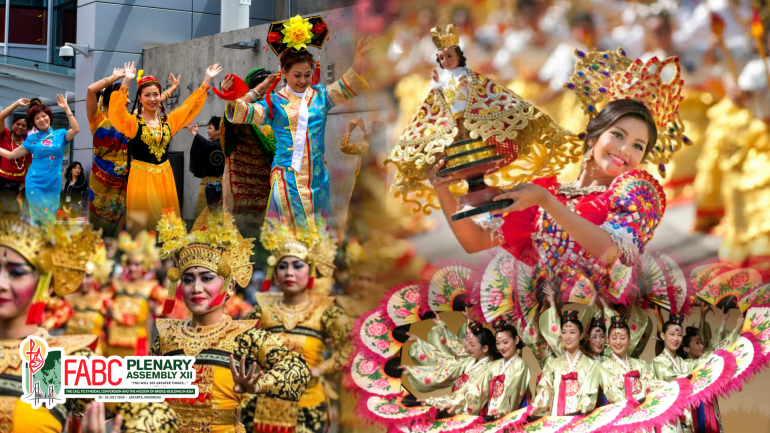
Asia is a continent that has an immense wealth of diversity; this is so evident by its numerous languages, cultures, customs and traditions. All the major religions of the world have millions of adherents living here. There is a whole range of variety in the food people eat and in the dress they wear. There are significant differences in the intellectual prowess and behavioural patterns. Pluralism is a reality in most places and needs to be celebrated.
The overall situation on the continent today is highly complex and fast-changing! Several countries of Asia have, in the recent past, experienced the rise of fundamentalism, fascism and fanaticism. The ‘new normal’ seems to be growing intolerance, exploitations and injustices: the gap between the rich and the poor is ever-increasing, corruption is rampant, patriarchy continues to rule the roost; violence on the minorities, the poor and other vulnerable sections seem to be the order of the day; in a very systematic manner, democratic values and principles, even in the world’s largest democracy: India, are being torn to shreds.
In this diverse and challenging Asian context, the 2026 FABC Plenary Assembly will be held in Jakarta, Indonesia, from July 20 to 26. The theme, “Synodal Conversion and the Mission to Be Bridges and Bridge-Builders in Asia,” calls the Church to renew its commitment to dialogue, communion, and solidarity. Its scriptural inspiration comes from Jesus’ words, “You will see greater things…” (Jn 1:50).
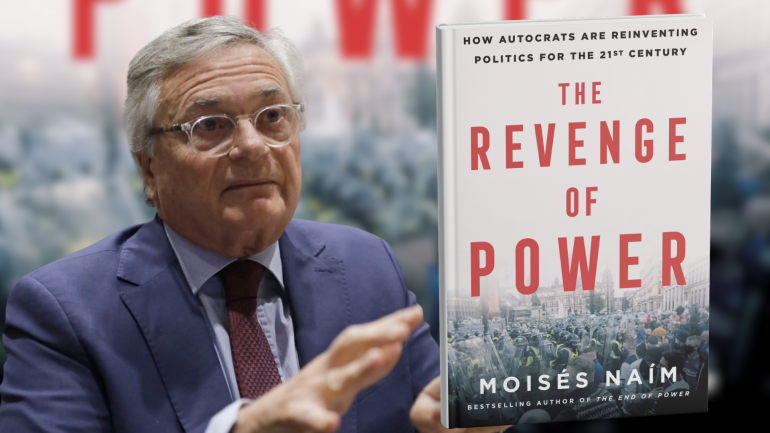
The key issue that the Assembly may take up would be ‘Be a bridge! Build a Bridge.’ The challenge then would be the prophetic courage to read, understand and respond to the signs of the times which grip most parts of Asia today! The Assembly should take a cue from the Venezuelan, Moisés Naím, a leading international affairs journalist. His book ‘Revenge of Power: How Autocrats Are Reinventing Politics for the 21st Century’, has been creating waves. In it, he takes on one of the big political puzzles of our era — why is authoritarianism making a comeback? Naím skilfully combines reportage with social-science research to identify the new tactics used by authoritarians. He highlights populism, polarisation and post- truth and provides an incisive analysis of these three interrelated dimensions. Addressing concretely and substantially, these dimensions at every level: personal, family, parish, diocese, national, Asian, will certainly be one of the tasks of the Assembly.
Many so-called ‘Asian leaders’ want to build walls today. As followers of Jesus, we are called to be and build bridges, not walls. When we build bridges there is reciprocity, there is inclusiveness; we are exposed to the others, there is mutual enrichment. Walls divide; they keep out others, and one becomes exclusive. The refugee crisis is a glaring example of how people want to keep these ‘others’ out of their countries. Security and a plethora of other reasons are given to justify their petty thinking. Many forget that they were once refugees or migrants themselves. In many economies of Asia, the contribution of migrants to growth and development has been phenomenal. They have made societies more diverse and pluralistic. Inclusiveness is an antidote to jingoism and xenophobia; to racism and casteism. In many places today, people are easily targeted because of their religion, caste, ethnicity, colour, gender.
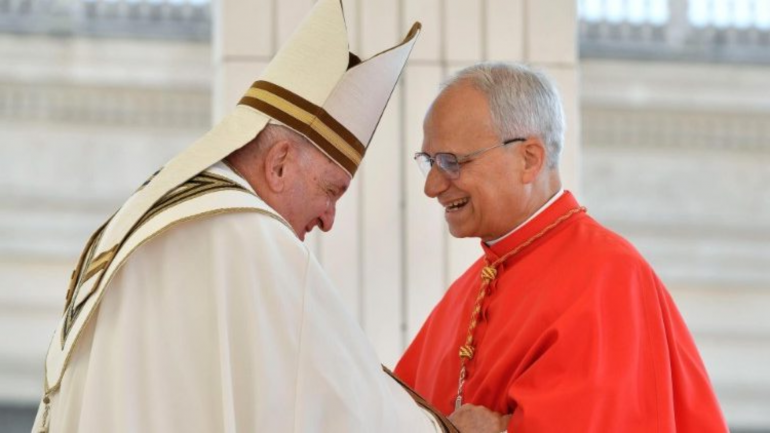
Both Pope Francis and Pope Leo XIV have offered practical guidance on how we can become bridges and build bridges. Dialogue is fundamental to this mission. In Evangelii Gaudium, Pope Francis exhorts: “An attitude of openness in truth and in love must characterize the dialogue with the followers of non-Christian religions, in spite of various obstacles and difficulties, especially forms of fundamentalism on both sides. Interreligious dialogue is a necessary condition for peace in the world, and so it is a duty for Christians as well as other religious communities.”
In Magnifica Humanitas, Pope Leo XIV identifies five paths toward building a civilization of love: (1) disarming words by speaking the truth, (2) building peace through justice, (3) adopting the perspective of victims, (4) cultivating a healthy realism, and (5) reviving dialogue.
To be a bridge means being open and transparent; to have the humility to listen and learn from the others; to dialogue; to be able to cooperate and collaborate; to have the prophetic courage to denounce all that is evil and wrong whilst announcing the good news. Just as Mary does in the ‘Magnificat’ which is a song of hope. All this must be done with deep faith, unbridled fraternity and total freedom. That is our mission today: to be a bridge, to build a bridge! Will the FABC plenary Assembly have the compassion, courage and commitment to address this challenge?