As the Church in Asia prepares for the Federation of Asian Bishops' Conferences (FABC) Plenary Assembly in Jakarta from July 20–26, the gathering's theme—"Synodal conversion and the mission to be bridges and bridge-builders in Asia"—could not be more timely.
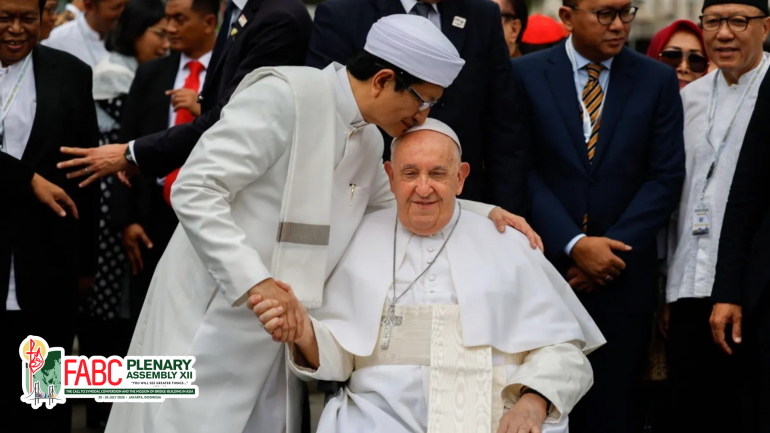
The language of bridge-building has become closely associated with Pope Francis, who repeatedly urged Christians to build bridges instead of walls. For him, fear and exclusion can never be the foundation of authentic Christian witness.
His 2024 visit to Indonesia offered a vivid example. Francis praised the Indonesian principle of gotong royong—the spirit of mutual cooperation that has long shaped the country's social life. He also highlighted the Tunnel of Friendship, linking Jakarta's Istiqlal Mosque and the Cathedral of Our Lady of the Assumption, as a powerful symbol that people of different faiths can remain faithful to their beliefs while choosing dialogue and collaboration over suspicion.
Yet this vision did not begin with Pope Francis.
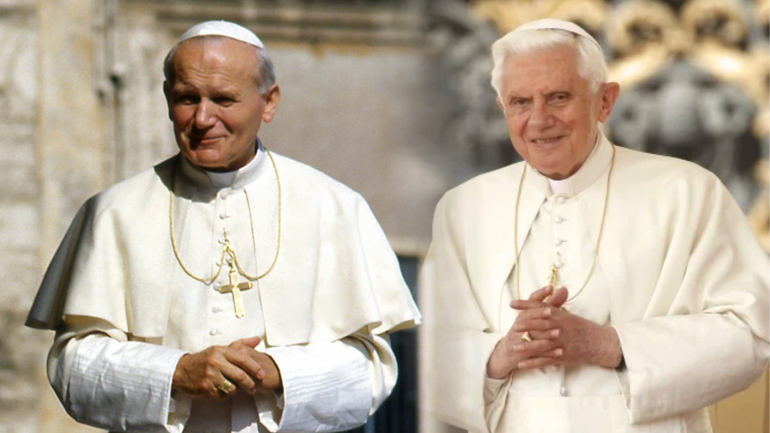
In Ecclesia in Asia (1999), St. John Paul II described dialogue with cultures and religions as "part of the Church's evangelizing mission," calling on Christians to engage Asia's rich spiritual traditions with both conviction and respect. Pope Benedict XVI likewise emphasized that faith grows through reasoned dialogue rather than coercion.
Together, these three popes present bridge-building not as diplomacy or public relations, but as a living expression of the Gospel.
A Tradition of Dialogue
Since its founding in 1970, the FABC has promoted what it calls the "triple dialogue": dialogue with the cultures of Asia, dialogue with its religions, and dialogue with the poor. This vision recognizes that evangelization on the continent depends less on institutional strength than on relationships built on trust, respect, and solidarity.
Church leaders across Asia have lived out this vision in different ways.
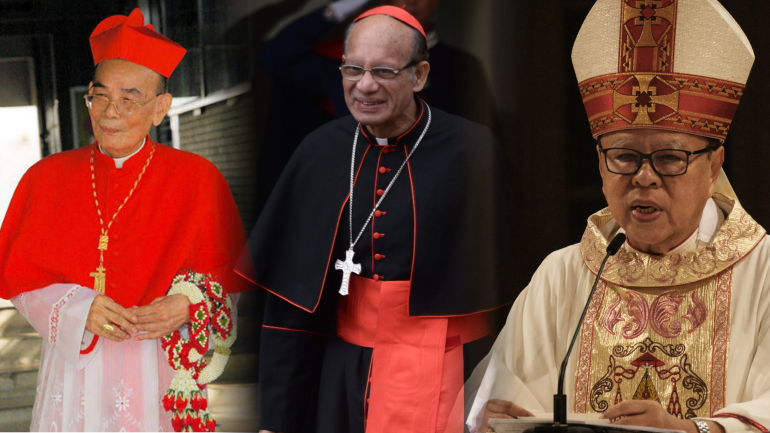
In Thailand, Cardinal Michael Michai Kitbunchu fostered close ties with Buddhist communities. In India, Cardinal Oswald Gracias has consistently encouraged dialogue across religious boundaries. In Indonesia, Cardinal Ignatius Suharyo Hardjoatmodjo has worked closely with leaders of other faiths, showing that cooperation and fidelity to one's beliefs are not mutually exclusive.
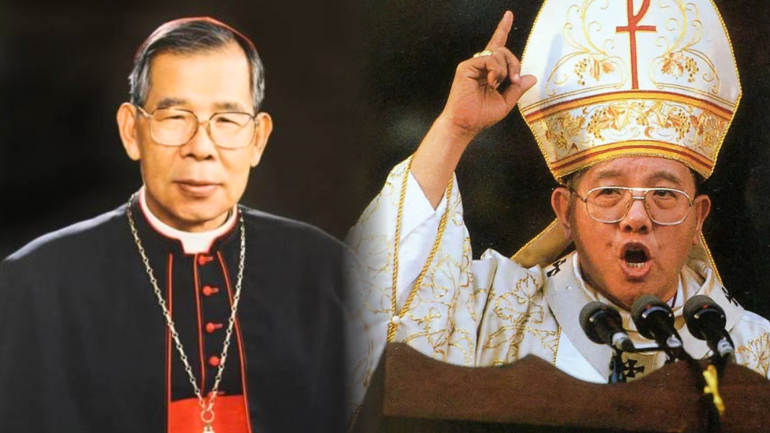
In South Korea, Cardinal Stephen Kim Sou-hwan emerged as a respected moral voice during the country's democratic transition, opening church facilities to democracy activists while advocating peaceful reform. In the Philippines, Cardinal Jaime Sin helped guide the 1986 People Power Revolution toward a peaceful transition, using the Church's moral authority to reduce the risk of bloodshed.
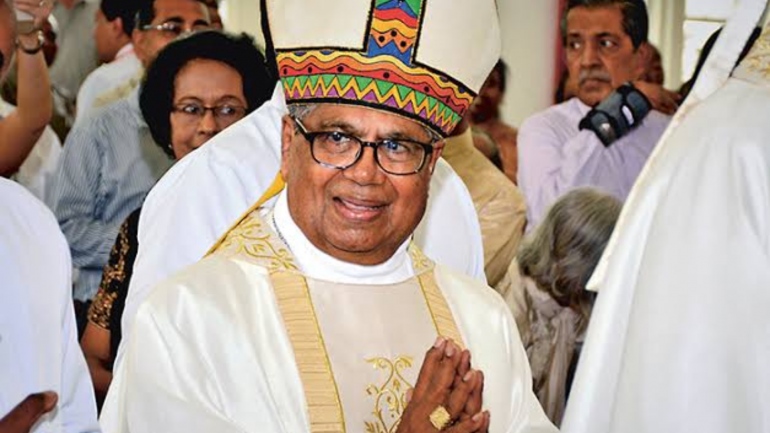
Malaysia offers another example in the late Cardinal Anthony Soter Fernandez. Respected across religious and ethnic communities, he believed dialogue was not a compromise of faith but an expression of it. He played a leading role in the Malaysian Consultative Council of Buddhism, Christianity, Hinduism, Sikhism, and Taoism (MCCBCHST), established in 1983 to promote understanding and cooperation among the country's major non-Muslim religious communities.
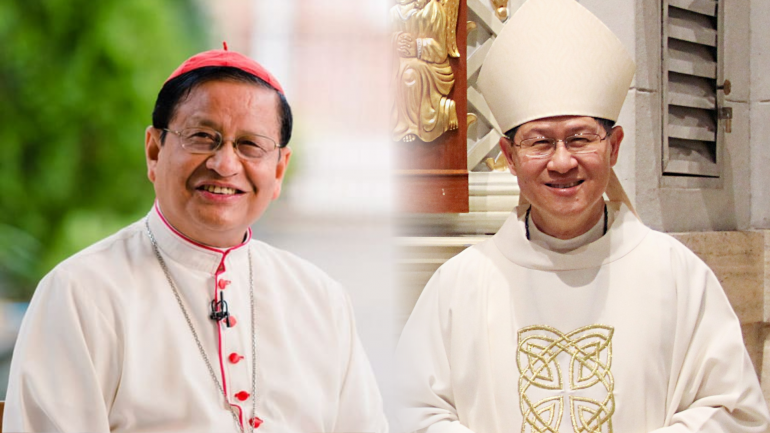
Today, Cardinal Charles Maung Bo of Myanmar continues that tradition by calling for reconciliation amid conflict, while Cardinal Luis Antonio Tagle is widely recognized for a pastoral approach centered on listening, humility, and accompaniment.
These leaders’ contexts may be different, but they share the same conviction: the Church often has its greatest influence when it acts as a bridge rather than a barricade.
Bridges Built Every Day
Bridge-building extends beyond interreligious dialogue.
One of the remarkable features of the Church in Asia is that its influence often exceeds its numbers.
In many countries where Catholics make up only a small minority, the Church has earned respect through schools, hospitals, social services, and charitable ministries that serve everyone without discrimination. These ministries demonstrate that credibility comes not from size or political influence but from faithful service and integrity.
Many of the most important bridges are built quietly by ordinary Catholics: parish volunteers organizing interfaith activities, religious sisters caring for the poor, teachers educating children from different backgrounds, and communities working together after natural disasters.
In an age marked by polarization and distrust, the Church's mission is not to erase differences but to ensure they never become barriers to human dignity, mutual respect, or peaceful coexistence.
For that reason, the FABC's emphasis on bridge-building is more than a pastoral strategy. It presents a vision of the Church as a community that listens before judging, accompanies before instructing, and seeks encounter before confrontation.
If the bishops gathering in Jakarta renew that vision, they will be building on the legacy of St. John Paul II's call to dialogue, Pope Benedict XVI's commitment to reasoned engagement, Pope Francis' appeal to fraternity, and the witness of Asian Church leaders such as such as Cardinals Stephen Kim Sou-hwan, Jaime Sin, Charles Maung Bo, Luis Antonio Tagle and Ignatius Suharyo who embody those ideals in their lives and mission.
In a continent where diversity is an everyday reality, the Church's most prophetic mission may be neither to stand on one side of a divide nor to ask others to cross it alone, but to become a bridge that brings people together through dialogue, humility, and service.