




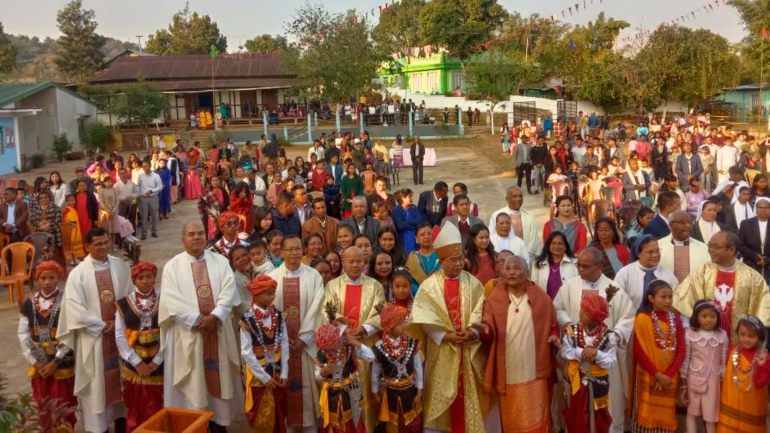
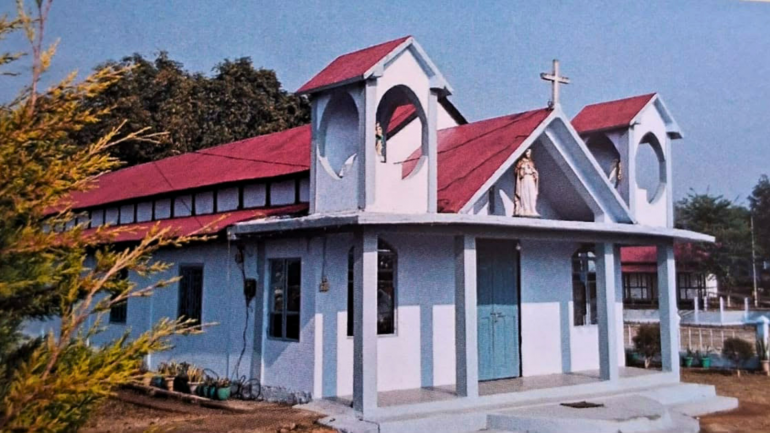
After nearly 100 years of steady growth, a Catholic community in Mawkyrdep, northeast India, has been raised to parish status. On March 15, 2026, the Archdiocese of Shillong inaugurated and blessed U Khrist U Syiem ka Jingkyrmen Parish (Christ the King Our Hope Parish), marking a turning point for a community that began with just two baptisms.
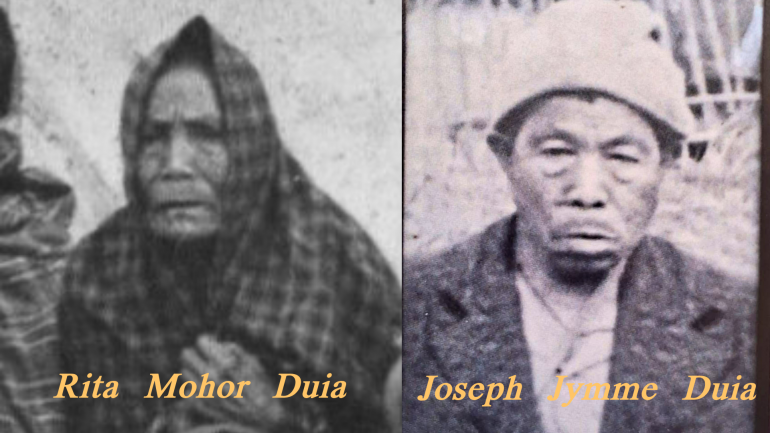
The Church in Mawkyrdep traces its origins to December 26, 1924, when Joseph Jymme Duia was baptized, followed months later by his mother, Rita Mohor, by Fr. Constantine Vendrame. They were among the first Catholics in the area.
Rita Mohor’s contribution was practical and lasting. She donated land for a chapel, cultivation, and a cemetery, resources that allowed the early Church to take root. Her son Joseph became a central figure in sustaining the community.
Although he had no formal education, Joseph learned to read the Bible and hymnbook. He led Sunday services in the absence of priests, organized Rosary prayers in homes, and maintained regular prayer gatherings. He was known for his discipline and a reserved manner, relying more on example than instruction.
Physically strong, he also assisted visiting clergy who traveled on foot between villages. He carried their belongings and, on at least one occasion, carried a bishop on his back when exhaustion made walking impossible for the elderly prelate. In another instance, he carried a religious sister to a hospital over a distance of about 40 kilometers.
Leadership in Church and Village
Joseph also served as headman of Mawkyrdep for many years. Holding both civic and religious roles allowed him to influence the direction of the community. Under his leadership, Catholicism spread not only within Mawkyrdep, now entirely Catholic, but also in neighboring villages.
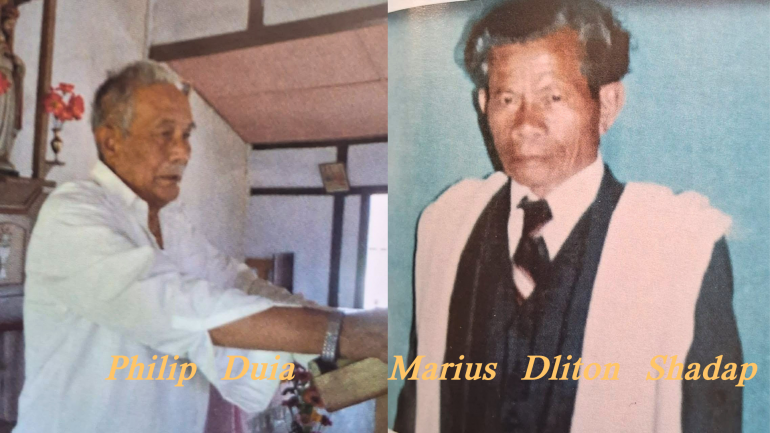
As the years passed, he was supported by younger members of his family, including his nephew Philip Duia and nephew-in-law Marius Dliton Shadap. Both had received education and formation from Salesian missionaries, which they used to strengthen catechesis and expand outreach.
Their work extended beyond Mawkyrdep to other villages, including areas that now fall within the neighboring state of Assam.
Building Institutions
In 1952, Marius Dliton Shadap, with guidance from Fr. Michael Balawan, a Salesian missionary, established a school in Mawkyrdep. Education became a key part of the Church’s presence in the area.
Both Philip and Marius were also active in public life. Philip served as sirdar, or head of multiple village leaders, while Marius later became a Member of the District Council. Through collaboration with Church figures such as Fr. Sylvanus Sngi Lyngdoh and local political leaders, they contributed to infrastructure development in the region, including roads, bridges, water systems, and agricultural support.
Growth Over Generations
Over the decades, the Church in Mawkyrdep expanded through the efforts of local leaders and laypeople. The community became a point of reference for neighboring villages, many of which later developed their own Catholic communities.
The elevation to parish status reflects not only growth in numbers but also the ability of the community to sustain regular sacramental and pastoral life.
The Inauguration
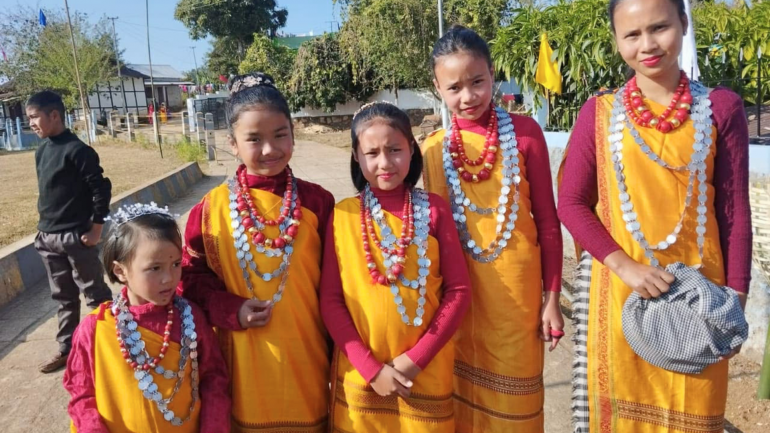
The parish was formally inaugurated on March 15, 2026, with a Eucharistic celebration attended by thousands. The gathering took place despite severe weather the previous day and continued rainfall on the morning of the event.
The celebration included a prolonged Benediction in the afternoon. Participants remained for several hours, and by the end of the service, the weather cleared.
The parish name, Christ the King Our Hope, was chosen in connection with the Jubilee Year 2025, which carries the theme “Pilgrims of Hope.” It was during this period that the decision was made by the bishop and his council to grant parish status to Mawkyrdep.
Long Process
The transition from mission station to parish did not follow a single trajectory. It involved gradual development shaped by local leadership, missionary support, and changing pastoral needs. For decades, the community functioned with limited access to clergy, relying heavily on lay leadership.
The creation of the parish formalizes what had already been taking place: a stable and active Catholic presence capable of sustaining its own pastoral life.
Looking Ahead
Fr. Sebastian Kharmawphlang has been appointed as the first parish priest of Mawkyrdep. His role will involve building on existing structures while addressing current pastoral needs.
In his homily during the inauguration, Archbishop Victor Lyngdoh noted the length of the journey and the persistence of the community, linking the new parish to a long period of preparation rather than a sudden development.
The parish status marks a new phase for the community in Mawkyrdep, but it rests on a foundation laid over a century.

- Reply
Permalink