




Ripon was just 23 when curiosity turned into dependency. What began casually in a friend’s chat with marijuana soon took over her life. One by one, she lost her job, her faith, and the warmth of her family. Neighbors crossed the street to avoid her. Even her mother’s tears became unbearable.
Lying sick in a hospital bed one day, Ripon came to a painful realization. “The biggest pain was not addiction,” she recalled later, “but people’s hatred.”
Rehabilitation was not easy. Each morning, she stood before a mirror and reminded herself: “I am not a criminal, I am sick.” Slowly, she began to reclaim her humanity.
Shiuli, now 25, followed a different path to the same darkness. After a painful breakup, she turned to drugs. She hid her addiction for as long as she could, terrified of being branded a “bad girl.” When her dependency peaked, even her family turned away.
On her first day at a rehabilitation center, Shiuli did nothing but cry. A counselor’s gentle but firm words gave her hope: a mistake does not define a person. Through treatment, prayer, and relentless self-control, she fought her way back. Finding work afterward was difficult, but she refused to give up. Today, Shiuli speaks openly to others struggling with addiction. “Recovery is possible,” she says, “if society stands by you, even a little.”
Their stories reflect a crisis that Bangladesh can no longer ignore.
A Visible National Emergency
Drug use in Bangladesh has become a public health and social emergency. A recent national study estimates that 8.2 million people — about 4.88 percent of the population — currently use illicit drugs.
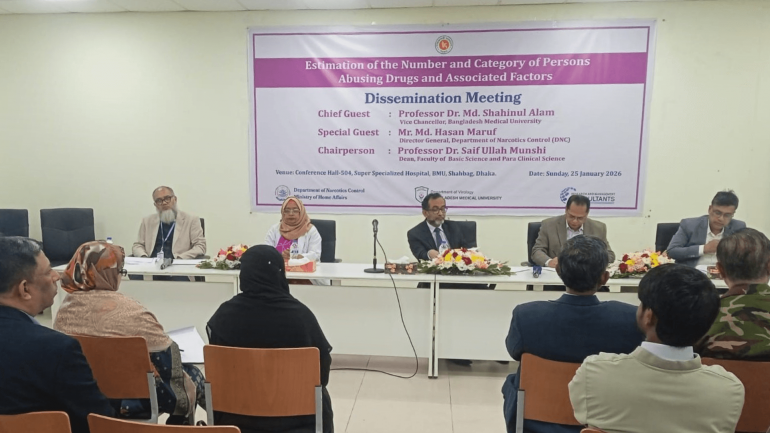
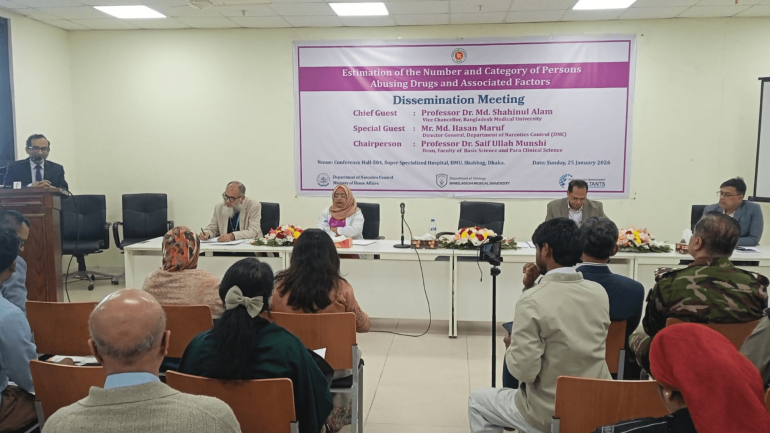
The findings were released on January 25 at a program organized by Bangladesh Medical University (BMU). The study, supervised by the Directorate of Narcotics Control (DNC) and conducted jointly by BMU and Research and Management Consultants Limited (RMCL), collected data from 13 districts and 26 upazilas across eight divisions between February and June 2025.
Marijuana is the most widely used drug, with around 6.08 million users, followed by yaba (methamphetamine) at 2.3 million, alcohol at 2 million, and other substances including codeine-based cough syrup, sleeping pills, and heroin. Approximately 39,000 people inject drugs, placing them at high risk of HIV and hepatitis.
On average, a drug user spends Tk. 6,000 (USD 49) per month on substances, and many use more than one drug. The age profile is particularly alarming: 33 percent first used drugs between 8 and 17 years, while 59 percent began between 18 and 25.
Stigma and Silence
Unemployment, peer pressure, family breakdown, financial uncertainty, mental stress, and unstable work were identified as major risk factors. Nearly 90 percent of users said drugs are easily available.
Yet access to help remains limited. Only 13 percent have ever received treatment or rehabilitation. While more than half have tried to quit, most failed due to a lack of counseling, structured care, and social support.
Drug users identified their most urgent needs as treatment and rehabilitation (69 percent), counseling (62 percent), and employment support (41 percent). Nearly 68 percent reported facing slander and discrimination from family and society.
“These findings prove that addiction is not merely a law-and-order issue but a complex public health and social challenge,” said BMU Vice-Chancellor Professor Dr. Md. Shahinul Alam. “We think drug addicts are someone else, but in reality, we and our children are also at risk. Everyone must face this danger together.”
A Call from a Catholic Physician
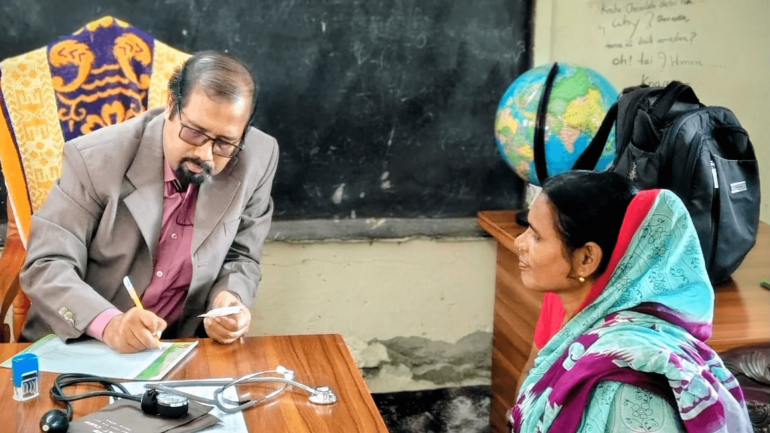
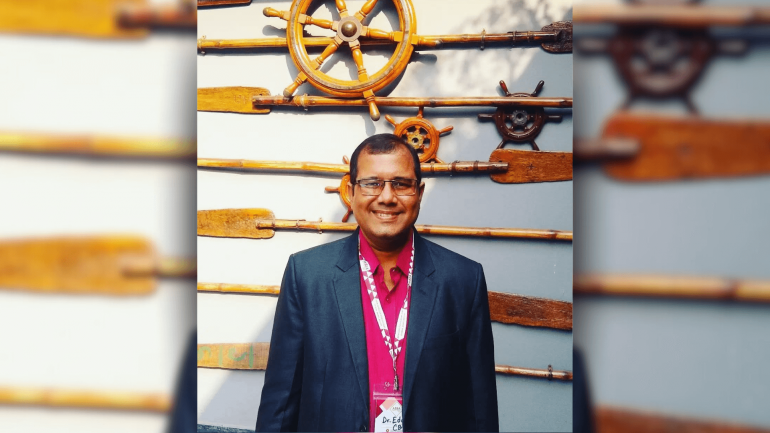
For Dr. Edward Pallab Rozario, a Catholic Bangladeshi family medicine specialist and certified diabetologist, the numbers are deeply troubling.
“8.2 million people addicted to drugs is a huge number and a matter of great concern,” he told RVA. “A large part of them are young people. Young people are our future, so now is the time to protect them.”
Dr. Rozario points to social changes that have weakened family bonds. “Earlier, we lived in joint families. Children were close to grandparents, uncles, and aunts. Now families are smaller, many parents work long hours, leaving children alone with mobile phones, computers, and sometimes bad company.”
Mental health, he adds, is another neglected area. Despite rising stress and unemployment among educated youth, schools and colleges lack professional counselors. “Not everyone can handle mental pressure. Many turn to drugs to escape depression. Counseling services must be strengthened,” he said.
He also stressed the state’s responsibility. “Illegal drugs are easily available. The administration must act decisively.”
Beyond Punishment
For Ripon and Shiuli, recovery began only when someone chose compassion over condemnation. Their lives echo a Gospel truth familiar to the Church: healing begins when dignity is restored.
As Bangladesh confronts a growing drug crisis, voices like Dr. Rozario’s call for a shift — from punishment to prevention, from stigma to solidarity.
“Addiction is not a crime,” he said. “It is an illness. And every sick person deserves care, not hatred.”