India: Research Paper Highlights Lenten “Tiatrs” as Tools of Faith and Moral Renewal

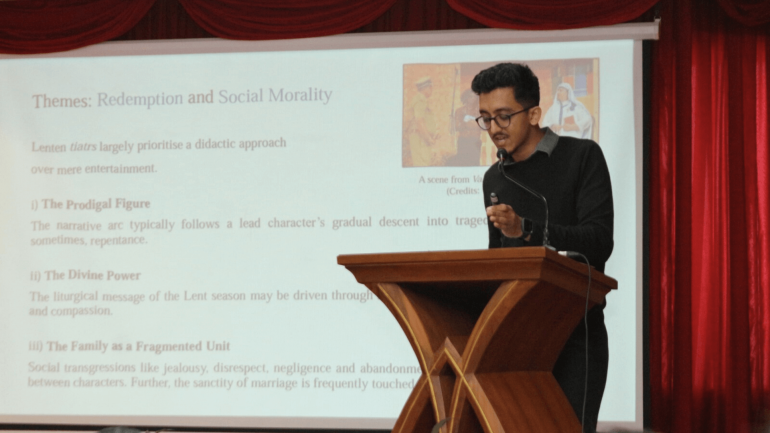
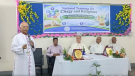
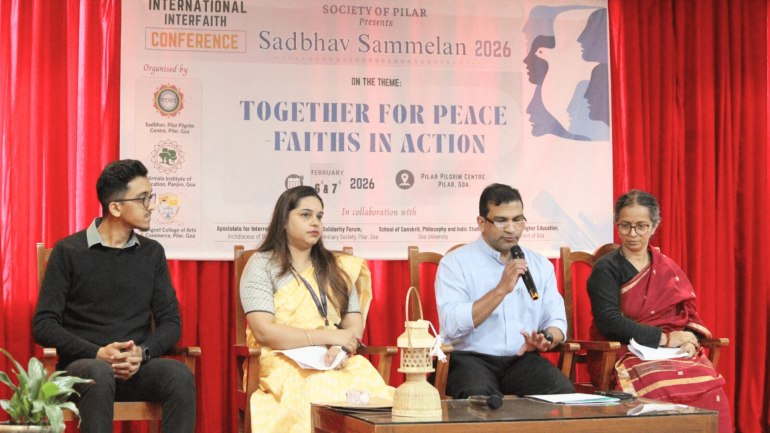
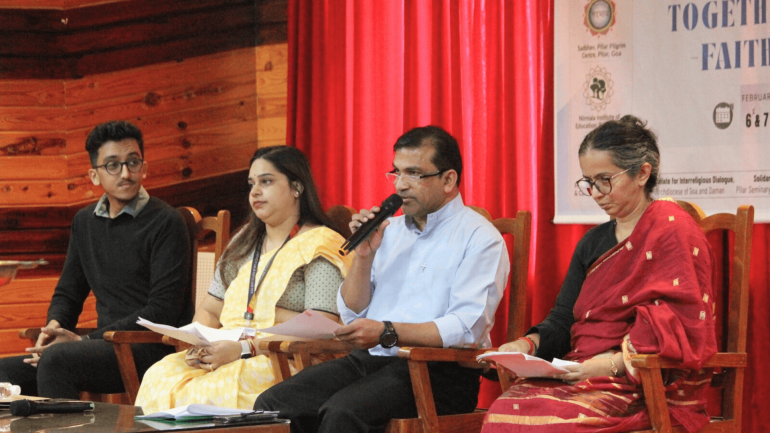
A research paper exploring the role of Lenten tiatrs in nurturing faith, resolving conflicts, and reinforcing moral values within Goan society was presented at the Society of Pilar’s Sadbhav Sammelan 2026, an international interfaith conference held February 6–7 on the theme “Together for Peace: Faith in Action.”
A tiatr is a form of popular musical theatre in Goa, southwest India, performed primarily in Konkani, the local language. It is a unique cultural and artistic expression that combines drama, music, and song to tell stories, often with social, moral, or religious themes.
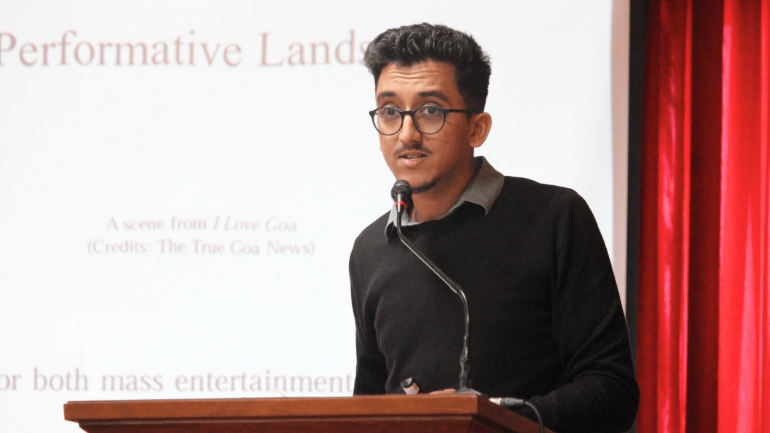
Titled “Contemporary Lenten Tiatrs as Catalysts for Faith, Conflict Resolution and Moral Rectitude,” the paper was presented by Jude Fernandes, Assistant Professor at Don Bosco College, Panaji. Fernandes highlighted how this distinctive form of Konkani Catholic theatre functions not merely as entertainment but as a spiritually charged medium for moral instruction, reconciliation, and social healing.
Theatre as a Space for Moral Reckoning
Fernandes traced the evolution of Lenten tiatrs from popular Konkani musical dramas to solemn Lenten performances focusing on sin, repentance, and reconciliation. Drawing on Victor Turner’s theory of social drama, he said the tiatr stage becomes a moral court, addressing personal and communal struggles through dramatized faith narratives.
“The Lenten tiatr transforms the stage into a moral court, where private struggles are publicly examined and resolved through a Catholic ethical lens,” Fernandes said.
Unlike mainstream tiatrs, Lenten performances adopt a didactic tone, replacing slapstick with sober reflections on human weakness, divine mercy, and moral responsibility.
Faith, Family, and Reconciliation
Recurring themes include moral transgression, repentance, and restoration of faith, often portrayed through fractured families, wayward youth, addiction, and neglect of religious values. Fernandes noted, “The Lenten tiatr does not merely condemn sin; it invites conversion.” Priests, nuns, and parental figures often serve as moral anchors, guiding characters—and audiences—toward reconciliation with God and neighbor.
Aesthetic and Liturgical Shifts
Fernandes highlighted how Lenten tiatrs differ aesthetically: music echoes church hymns, comic interludes are restrained, and visual iconography—crucifixes, rosaries, biblical scenes—reinforces Lent’s penitential mood. “In Lent, the tiatr stage mirrors the sanctuary—calling the audience not to laughter alone, but to introspection,” he said.
A Living Tradition of Faith in Action
Referring to stalwarts like the late Fr. Nevel Gracias, Fernandes described Lenten tiatrs as “dramatised retreats”, capable of conveying Gospel values with cultural immediacy surpassing conventional preaching. He concluded that contemporary Lenten tiatrs remain vital instruments of faith in action, addressing moral disorder and strengthening communal harmony.
“The contemporary Lenten tiatr stands at the crossroads of faith, theatre, and social healing, making it one of Goa’s most effective cultural responses to moral and spiritual challenges,” Fernandes said.
The Sadbhav Sammelan 2026 was jointly organised by Sadbhav, Pilar; Fr. Agnel College of Commerce and Arts, Pilar; and Nirmala Institute of Education, in collaboration with the Apostolate of Interreligious Dialogue, Archdiocese of Goa and Daman; Solidarity Forum of Pilar Seminary; School of Sanskrit, Philosophy and Indic Studies, Goa University; and the Directorate of Higher Education, Government of Goa.