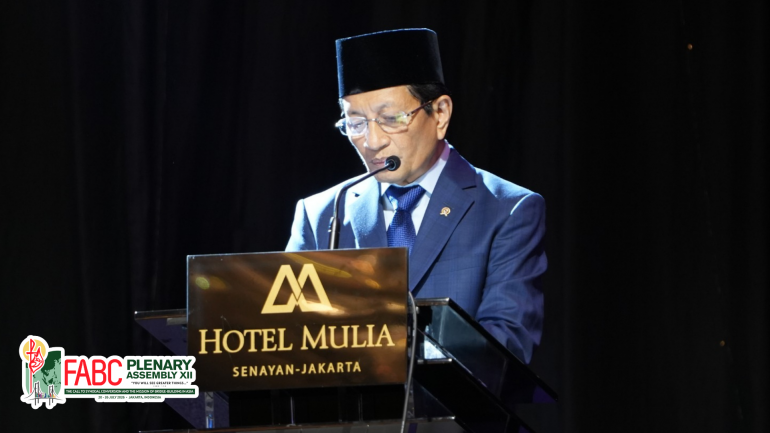
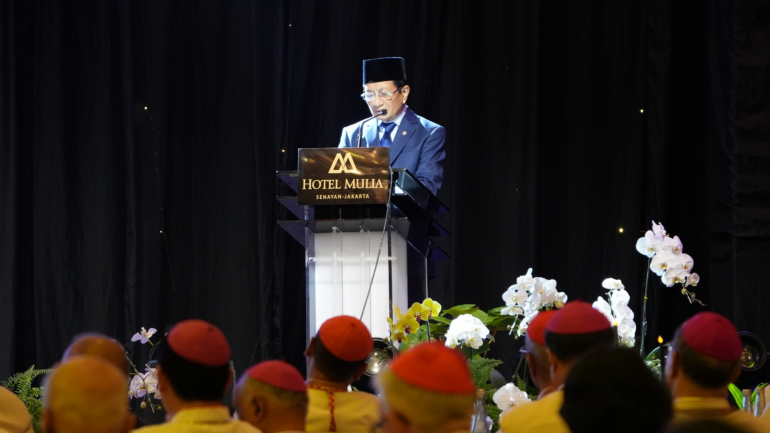
Indonesia's Minister of Religious Affairs, Nasaruddin Umar, urged religious communities across Asia to embrace the "language of love" as the path to resolving conflict and strengthening peace, saying faith must be a force for unity rather than division.
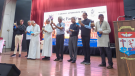
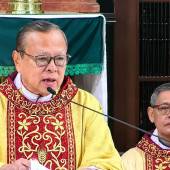
Speaking at the opening ceremony of the 12th Plenary Assembly of the Federation of Asian Bishops' Conferences (FABC) at Hotel Mulia Jakarta on July 21, Umar said the gathering is more than an internal meeting of the Catholic Church. Instead, he described it as a shared commitment to fostering peace, strengthening solidarity, and building a more just and inclusive future for Asia.
"This gathering is part of our collective effort to nurture peace, strengthen solidarity among peoples, and build a future for Asia that is more peaceful, just, and inclusive," he said while welcoming cardinals, bishops, priests, religious, and lay delegates from across the continent.
Nasaruddin said Asia's rich diversity of cultures, languages, and religions is both a strength and a responsibility. At the same time, he noted that the continent faces complex challenges, including armed conflict, social polarization, religious extremism, inequality, climate change, migration, and the rapid advancement of artificial intelligence.
He said such challenges cannot be addressed through political or economic solutions alone.
"I believe conflicts and differences can be resolved through the language of religion—the language of love," he said. "Love teaches compassion, empathy, and the ability to embrace differences without giving rise to hatred."
The minister said religious leaders have a responsibility to ensure that faith remains a source of unity, dialogue, and reconciliation.
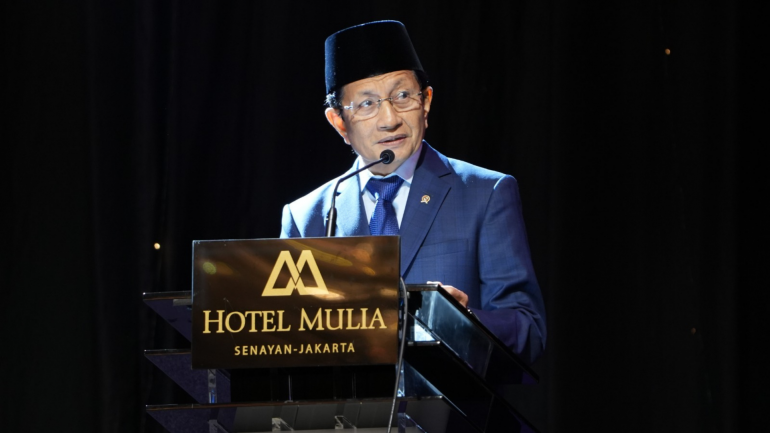
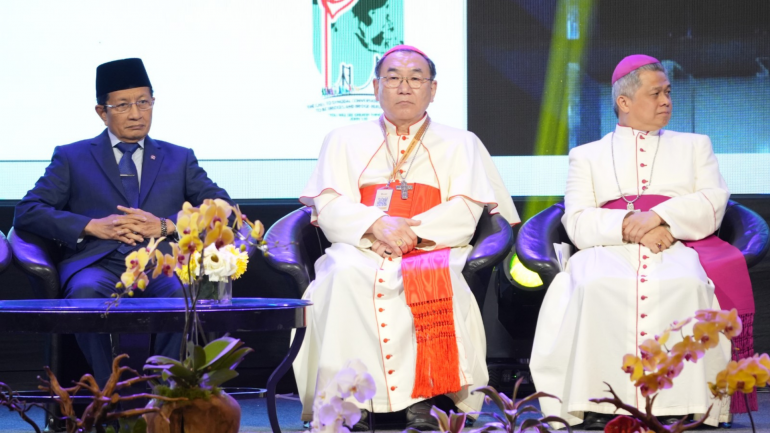
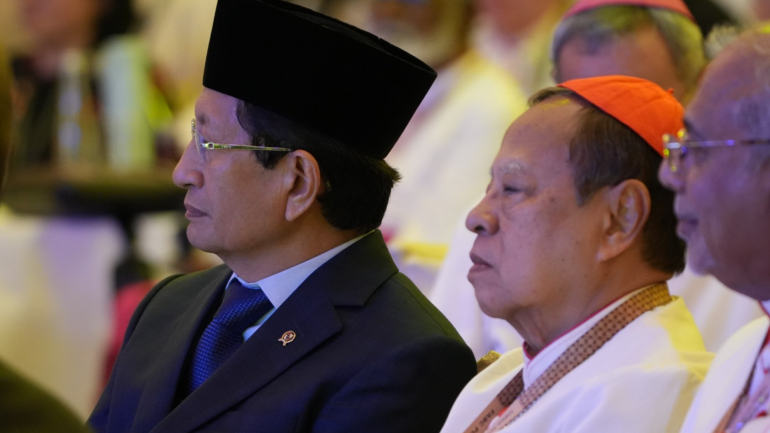

He pointed to Indonesia as an example of peaceful coexistence among diverse communities. Home to more than 17,000 islands, hundreds of ethnic groups, and multiple religious traditions, the country has sought to promote diversity as a source of national strength.
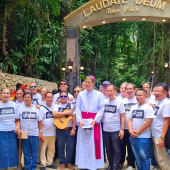
As an example of that commitment, Nasaruddin recalled the signing of the Istiqlal Declaration in 2024 by the late Pope Francis and Muslim leaders, as well as the construction of the "Tunnel of Friendship," linking Jakarta's Istiqlal Mosque and the Cathedral of Our Lady of the Assumption.
"Indonesia wishes to show the world that religious and cultural diversity can be celebrated peacefully and become a shared source of strength," he said.
Referring to the FABC assembly theme, "Called to Synodal Conversion and the Mission to Be Bridges and Bridge-Builders in Asia," Nasaruddin said the Church's emphasis on synodality resonates with Indonesia's long-standing traditions of musyawarah (deliberative consensus) and gotong royong (mutual cooperation), both of which promote dialogue, participation, and collaboration for the common good.
He expressed hope that the assembly would deepen interreligious dialogue, strengthen humanitarian cooperation, and inspire new initiatives for peace across Asia.
"May Jakarta become a place where new ideas for peace are born. May this gathering strengthen the bonds of fraternity, and may Asia continue to show the world that diversity is a source of strength, not division," he said.
Nasaruddin then officially declared the 12th FABC Plenary Assembly open.
Radio Veritas Asia (RVA), a media platform of the Catholic Church, aims to share Christ. RVA started in 1969 as a continental Catholic radio station to serve Asian countries in their respective local language, thus earning the tag “the Voice of Asian Christianity.” Responding to the emerging context, RVA embraced media platforms to connect with the global Asian audience via its 21 language websites and various social media platforms.
Latest News