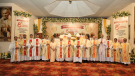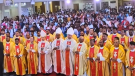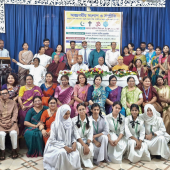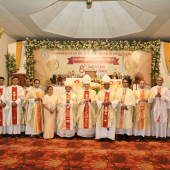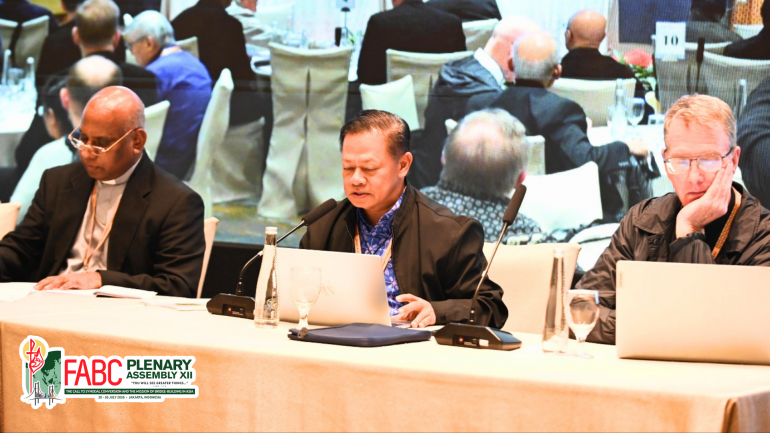
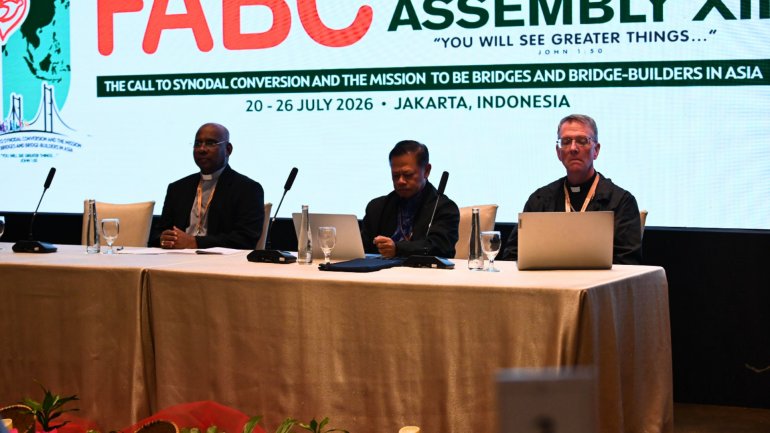
Delegates to the 12th Plenary Assembly of the Federation of Asian Bishops' Conferences (FABC) presented a series of regional priorities on July 25, outlining practical ways the Catholic Church in Asia can strengthen collaboration, respond to shared pastoral challenges, and deepen synodal life across the continent.
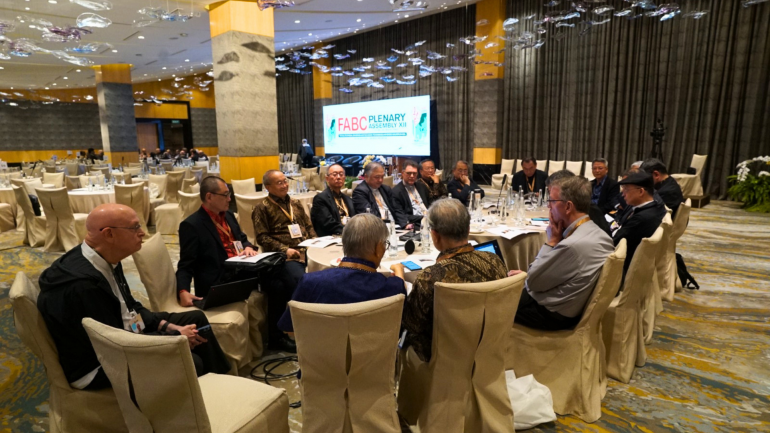
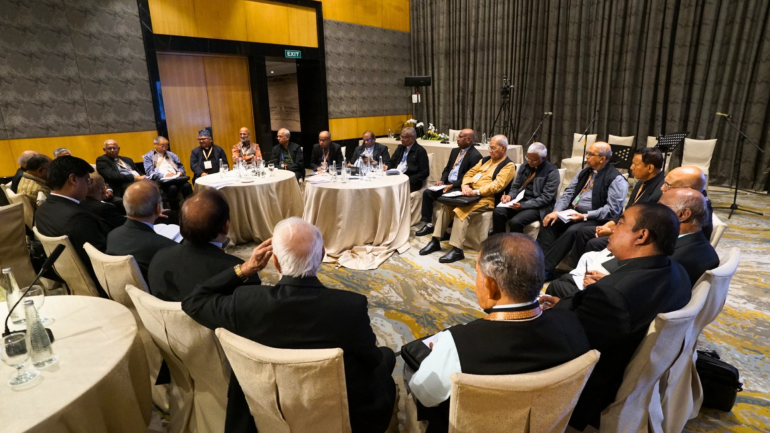
The reports were the culmination of the Assembly's regional table conversations, part of the "Emmaus Experience," a process in which delegates from neighboring countries gathered in smaller regional groups for prayer, discernment, and dialogue. After spending the morning and midday in regional discernment, participants reconvened in the Vanda Room of Hotel Mulia in Jakarta to present the outcomes of their discussions. The plenary session was among the final working sessions before the Holy Father's message to the Assembly.
The session was moderated by Archbishop Bejoy N. D'Cruz, OMI, Archbishop of Dhaka and president of the Catholic Bishops' Conference of Bangladesh.
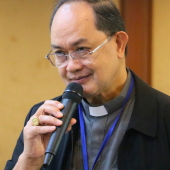
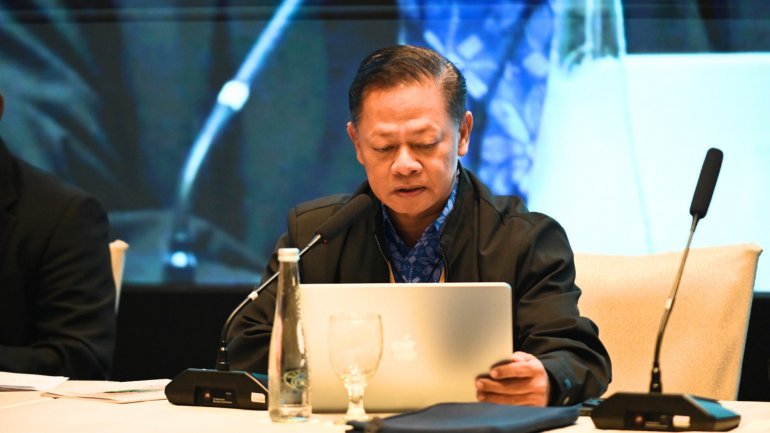
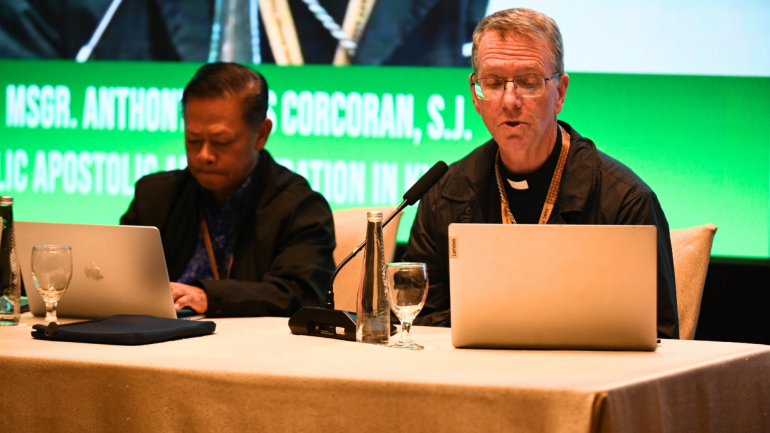
Regional reports were presented by Archbishop Rex Andrew C. Alarcon of Caceres in the Philippines for Southeast Asia, Bishop Wimal Siri Jayasuriya of Chilaw in Sri Lanka for South Asia, and Bishop Anthony James Corcoran, SJ, Apostolic Administrator of Kyrgyzstan, for Central and East Asia.
Presenting the Southeast Asia report, Archbishop Alarcon said stronger collaboration among episcopal conferences is essential to building lasting bridges across the region. Delegates identified migration, regional networking, and greater sharing of pastoral resources as key priorities. Among the recommendations were establishing migrant centers, sending fidei donum priests to serve migrant communities, creating agreements among bishops' conferences for migrant ministry, and developing a regional information hub linked to the FABC.
The group also proposed a directory of pastoral experts, a common regional calendar, a solidarity fund, networks for seminary formators, prayer initiatives among bishops, and wider translation of FABC documents to make them more accessible throughout the region.
Speaking for South Asia, Bishop Jayasuriya said the region's rich cultural, linguistic, and religious diversity is accompanied by shared challenges, including natural disasters, religious nationalism, restrictions on mobility, and pressures affecting Christian communities.
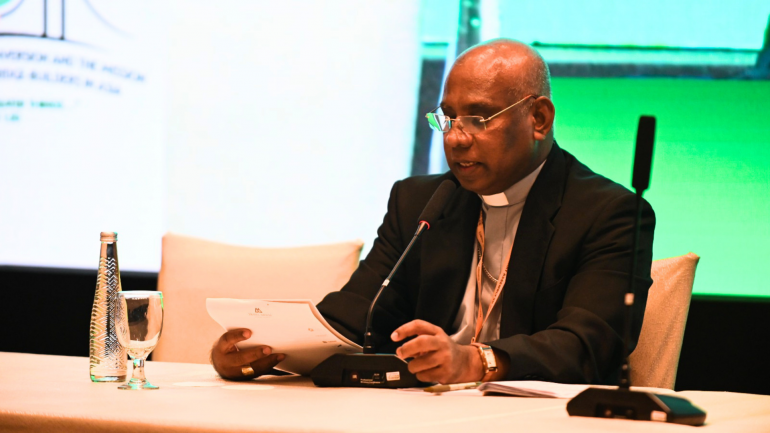
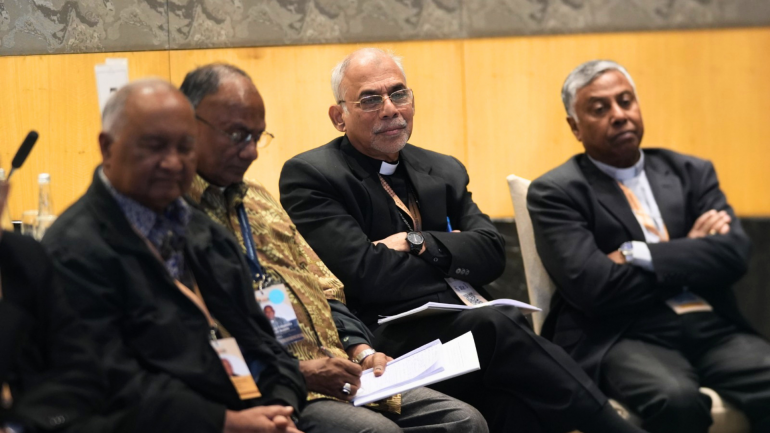
The South Asian delegates recommended more exchanges among bishops, common pilgrimages, regional communication networks, sharing of pastoral experiences, promotion of the spirituality of South Asian saints, and interdisciplinary forums bringing together experts in Scripture, canon law, liturgy, theology, sociology, and anthropology.
They also proposed creating a regional media platform to facilitate the exchange of pastoral initiatives and best practices.
Presenting the report for Central and East Asia, Bishop Corcoran described encounter as the foundation of authentic bridge-building.
He said genuine pastoral fruitfulness begins when people and communities meet, listen, and journey together in fraternity.
The region proposed expanding exchanges among bishops, seminary formation programs, youth initiatives, synodal communities for migrants, regional pilgrimages, and forums where local Churches could openly share both successful and difficult pastoral experiences.
Delegates also highlighted greater cooperation in evangelization, safeguarding, digital ministry, and Caritas while emphasizing the growing need to accompany older people in many Asian societies. They encouraged stronger support from well-established Churches for smaller and more vulnerable local Churches through missionary cooperation and solidarity.
Although each region highlighted its own pastoral realities, the three reports converged on a common vision: a more connected Church in Asia rooted in mutual listening, shared responsibility, and practical collaboration.
The regional proposals are expected to inform the Assembly's final recommendations and contribute to the Synodality Vademecum being drafted during the plenary, offering practical guidance for local Churches as they seek to become, in the Assembly's words, "bridges and bridge-builders" across Asia.
Radio Veritas Asia (RVA), a media platform of the Catholic Church, aims to share Christ. RVA started in 1969 as a continental Catholic radio station to serve Asian countries in their respective local language, thus earning the tag “the Voice of Asian Christianity.” Responding to the emerging context, RVA embraced media platforms to connect with the global Asian audience via its 21 language websites and various social media platforms.
Latest News