


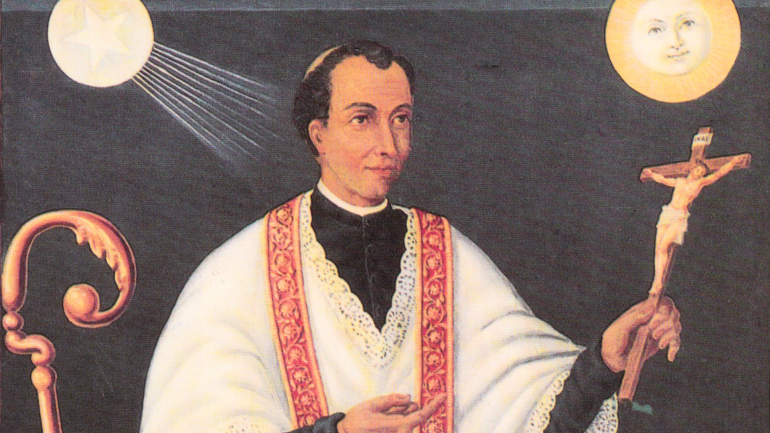
This year marks the 375th birth anniversary of St. Joseph Vaz, a humble Goan priest whose daring mission helped evangelize Sri Lanka in the 17th century.
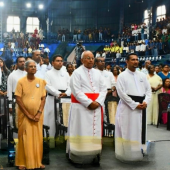
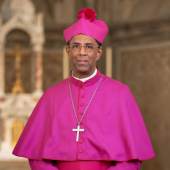
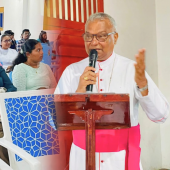
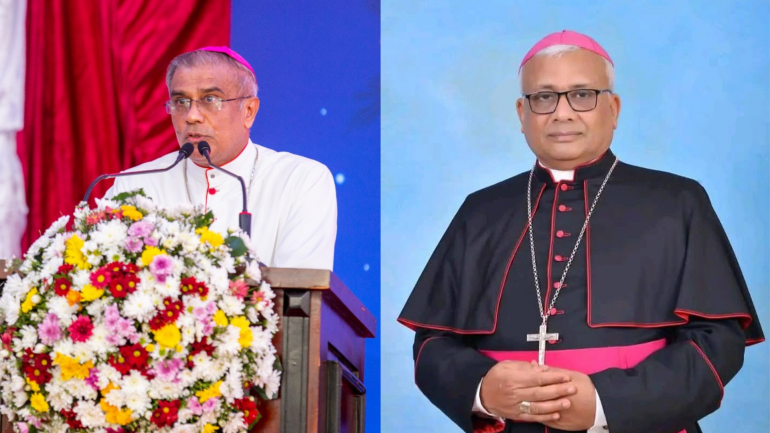
A grand feast Mass will be celebrated at the National Shrine of St. Joseph Vaz in Mahagalagamuwa, Kurunegala, on 15 January, led by Bishop Harold Anthony Perera of Kurunegala and Bishop Anthonypillai Gnanapragasam of Mannar. The festivities center on the theme: “Our Apostle, give us courage in the Lord to build our nation.”
While the history of Catholicism in Sri Lanka dates back to before the Portuguese arrival in 1505, it was during the Portuguese era that the faith spread extensively across the island, particularly from the North to the West. Consequently, the Catholic community in Sri Lanka today is a diverse tapestry of both Sinhala and Tamil speaking faithful.
However, a dark period for the Church began when the Dutch ousted the Portuguese and seized control of the island’s coastal regions. During this era of persecution, Catholic priests were banished and the practice of the faith was strictly prohibited. After nearly 30 years without a single priest, the survival of the faith seemed impossible.
A Mission of Sacrifice
In May 1687, the tide turned when Father Joseph Vaz arrived from Goa, India. Disguised as a beggar and accompanied by his faithful assistant, John, he entered the island with a martyr’s courage. Without his arrival, Catholicism in Sri Lanka might have vanished entirely.
In the book "The Catholic Church in Ceylon under the Dutch Rule" (Rome, 1957), Rev. Fr. Robert Boudens, OMI, captures the essence of his mission:
"There was a humble, brown-skinned man from Goa. Clad in a simple loincloth and seeking alms, this individual moved about with the sole purpose of finding followers of the Word of Jesus. His presence remained rooted in the land, and the sweat he shed upon the soil of Lanka will forever bear fruit."
The Path to Canonization
Father Joseph Vaz traversed the island from the North to the Northwest, the West, and into the Kandyan Kingdom. The miracles performed through him and his tireless missionary journeys prompted the Bishop Dom Pedro of Cochin, to initiate the process for his canonization as early as 1713, just two years after his death.
Despite many obstacles that stalled the process over the centuries, it finally reached fruition 302 years later. On January 15, 2015, Pope Francis canonized him at the historic Galle Face Green in Colombo, before a massive gathering of hundreds of thousands of devotees from both Sri Lanka and India.
A Timeless Legacy
Several key figures contributed to this long journey toward sainthood. In 1747, Fr. Sebastian do Rego, a nephew of Joseph Vaz, wrote the first biography in Portuguese titled "Vida do Venerável Padre José Vaz." Later, in 1987, Fr. Joe Quintus Perera of the Diocese of Chilaw submitted a monumental 1,024-page historical thesis (Positio Historica) to the Vatican's Congregation for the Causes of Saints, the result of a decade of research. The Bishops' Conferences of both Sri Lanka and India, along with the National Joseph Vaz Committee, played pivotal roles in this cause.
The feast of St. Joseph Vaz is celebrated annually on January 16. He left behind profound wisdom for all, famously stating: "No one can do at the moment of death what they failed to do during their lifetime."
St. Joseph Vaz remains a bridge of faith between India and Sri Lanka, a humble "Apostle of Lanka" whose spiritual influence continues to bless both nations.
Radio Veritas Asia (RVA), a media platform of the Catholic Church, aims to share Christ. RVA started in 1969 as a continental Catholic radio station to serve Asian countries in their respective local language, thus earning the tag “the Voice of Asian Christianity.” Responding to the emerging context, RVA embraced media platforms to connect with the global Asian audience via its 21 language websites and various social media platforms.
Latest News